Sliced Bread VS Toast Bread
A detailed nutritional comparison
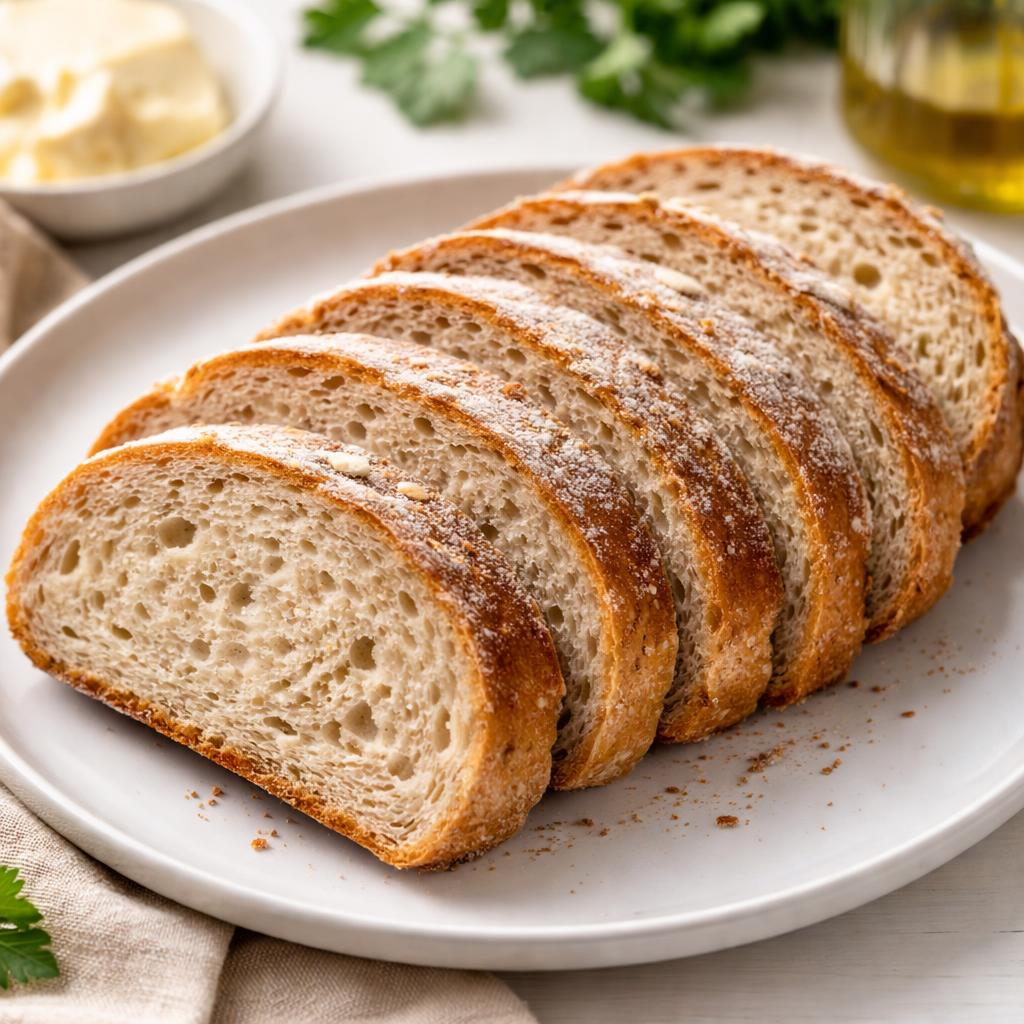
Sliced Bread
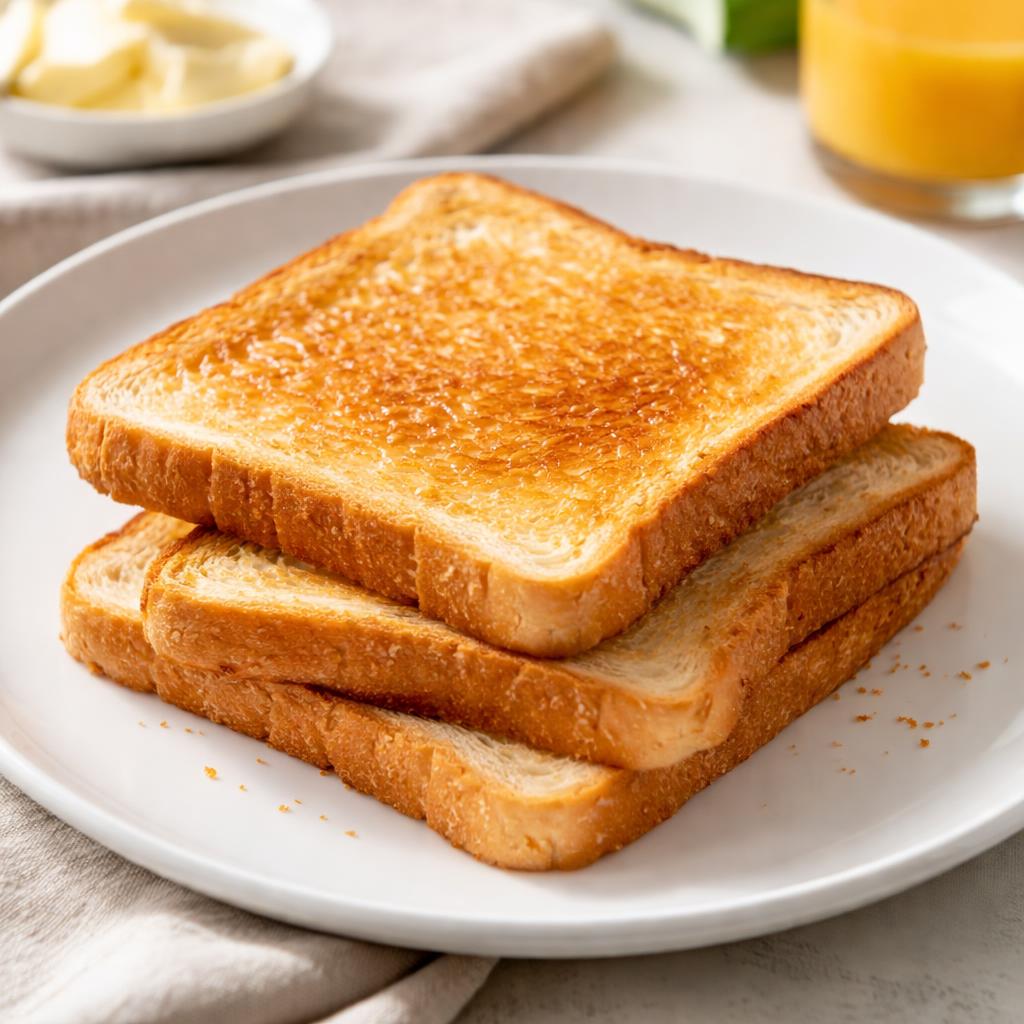
Toast Bread
🎯 Quick Verdict
Sliced bread and toast bread have similar nutritional profiles but toast bread edges ahead with slightly higher protein and fewer calories per slice. Toast bread may be better for weight management and post-workout snacks, while sliced bread is versatile for sandwiches. Both offer the same fiber content for digestion support.

Smart Nutrition Tracking with SnapCalorie

📊 Nutritional Comparison
Macronutrients
| Nutrient | Food 1 | Food 2 | Winner |
|---|---|---|---|
| Calories | 80 per slice | 70 per slice | ✓ |
| Protein | 2g | 3g | ✓ |
| Carbs | 15g | 14g | ✓ |
| Fat | 1.2g | 0.8g | ✓ |
| Fiber | 0.8g | 0.8g | − |
Vitamins & Minerals
| Nutrient | Food 1 | Food 2 | Winner |
|---|---|---|---|
| Vitamin B6 | 0.03mg | 0.04mg | ✓ |
| Calcium | 30mg | 25mg | ✓ |
| Iron | 0.8mg | 0.7mg | ✓ |
🏆 Category Winners
Protein
Toast bread has 50% more protein per slice compared to sliced bread.
Fiber
Both sliced bread and toast bread provide equal fiber at 0.8g per slice.
Calories
Toast bread has 13% fewer calories per slice, making it slightly more calorie-friendly.
🥗 Diet Compatibility
Keto
Food 1: Not Compatible
Food 2: Not Compatible
Both foods are high in carbs and not suitable for keto diets.
Vegan
Food 1: Compatible
Food 2: Compatible
Both are plant-based unless made with animal-derived ingredients like dairy.
Gluten Free
Food 1: Not Compatible
Food 2: Not Compatible
Traditional bread contains gluten unless specified gluten-free.
Paleo
Food 1: Not Compatible
Food 2: Not Compatible
Bread products are typically excluded from paleo diets.
Low-Carb
Food 1: Not Compatible
Food 2: Not Compatible
Both contain approximately 14-15g of carbs per slice, which is too high for low-carb diets.
💪 Health Benefits Comparison
Food 1 Benefits
- Provides quick energy via carbohydrates
- Contains some iron for oxygen transport
- A versatile base for nutrient-dense sandwich options
Food 2 Benefits
- Lower in calories for weight management
- Higher protein content beneficial for muscle repair
- Contains trace B vitamins important for energy metabolism
✅ The Bottom Line
If you're managing calories and looking for a slightly higher protein option, toast bread may be a better choice. For general use and pairing with other nutritious ingredients, sliced bread works well too.
Choose Food 1 for: Sandwich bases, quick meals, traditional recipes
Choose Food 2 for: Low-calorie diets, protein-rich snacks, weight control


