Sandwich Bread VS Bread With Peanut Butter
A detailed nutritional comparison
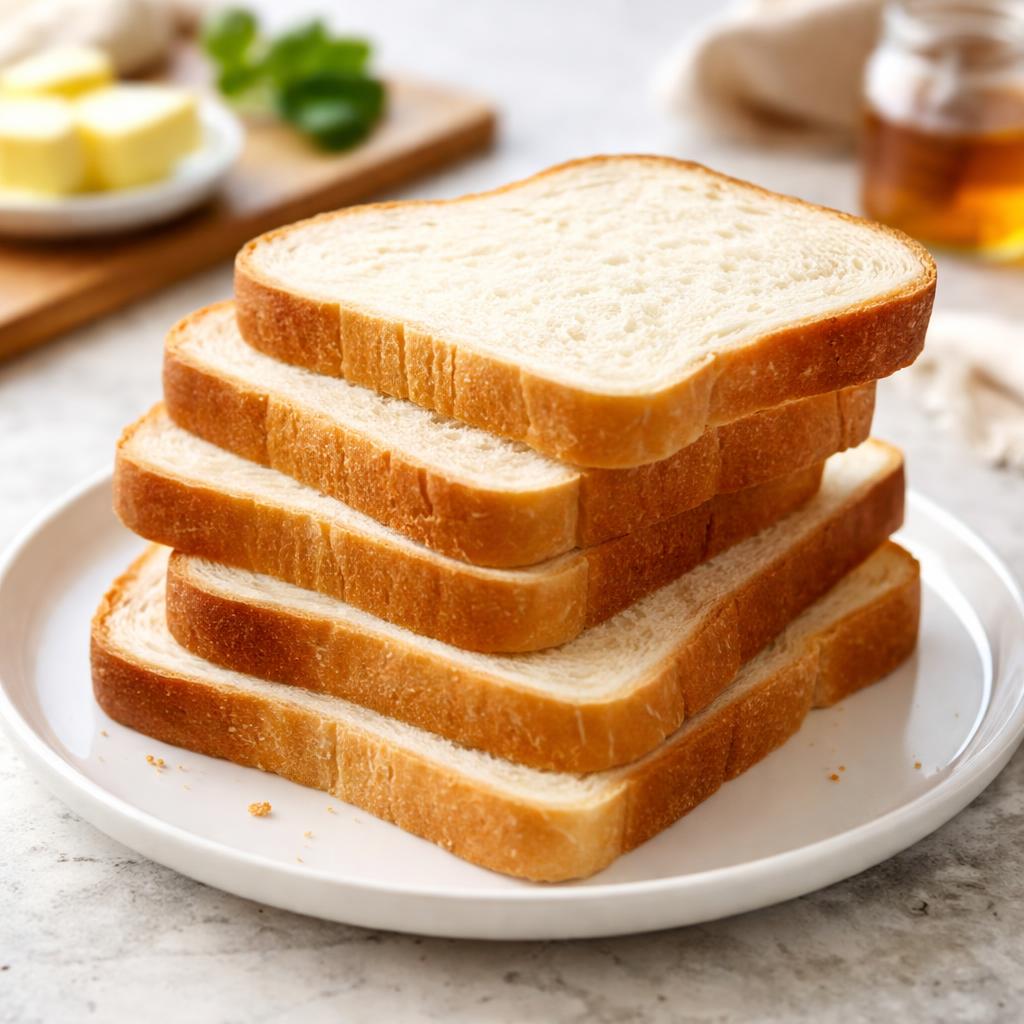
Sandwich Bread
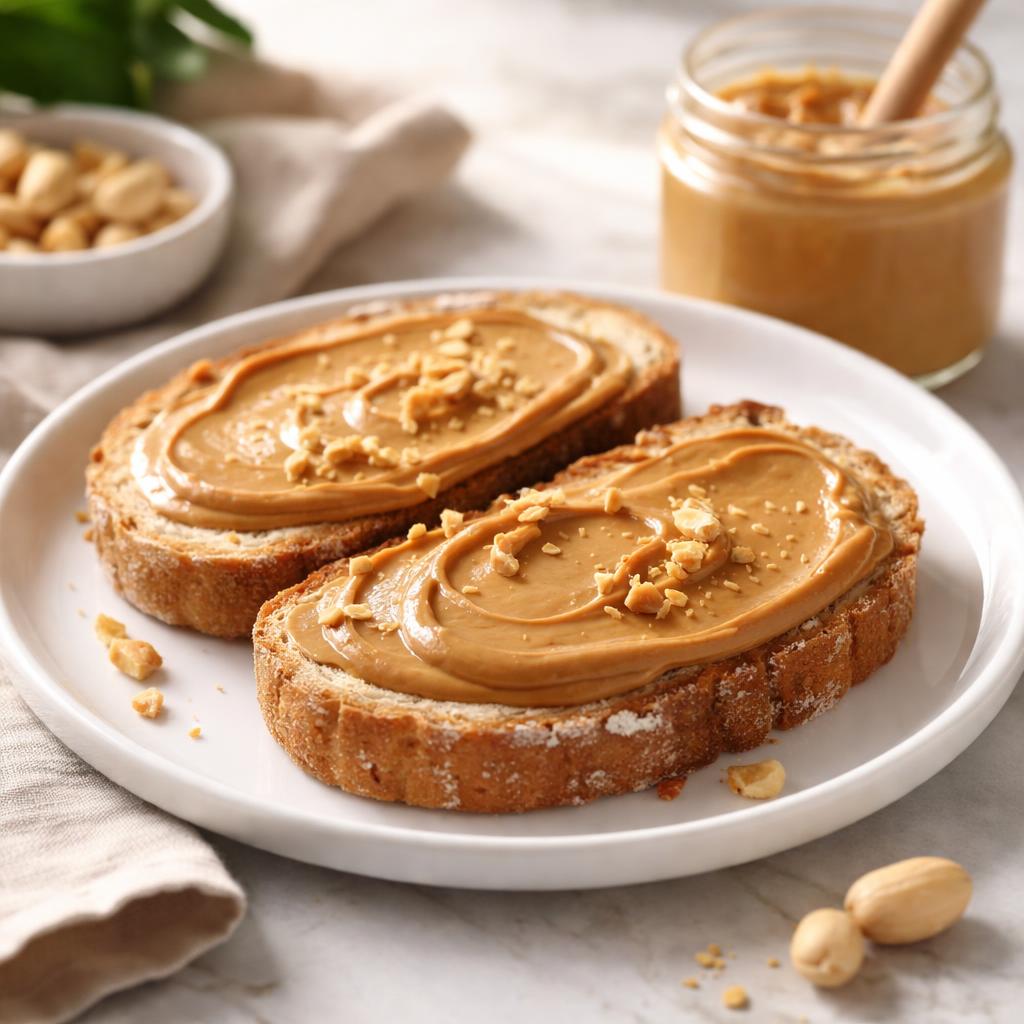
Bread With Peanut Butter
🎯 Quick Verdict
Sandwich bread is lower in calories and fat, making it a lighter option for weight-conscious eaters. Bread with peanut butter is higher in protein, fiber, and healthy fats, ideal for energy and satiety during busy or high-activity days. Choose based on your dietary goals and needs for the day.

Smart Nutrition Tracking with SnapCalorie

📊 Nutritional Comparison
Macronutrients
| Nutrient | Food 1 | Food 2 | Winner |
|---|---|---|---|
| Calories | 80 | 190 | ✓ |
| Protein | 3g | 8g | ✓ |
| Carbs | 15g | 21g | ✓ |
| Fat | 1g | 11g | ✓ |
| Fiber | 1g | 2g | ✓ |
Vitamins & Minerals
| Nutrient | Food 1 | Food 2 | Winner |
|---|---|---|---|
| Vitamin E | 0.2mg | 2.5mg | ✓ |
| Calcium | 120mg | 50mg | ✓ |
| Iron | 1mg | 1.5mg | ✓ |
🏆 Category Winners
Protein
Bread with peanut butter has more than double the protein content compared to sandwich bread.
Fiber
Food2 contains twice the dietary fiber, improving satiety and digestion.
Calories
Food1 has significantly fewer calories, making it a lighter option.
Vitamins
Food2 is richer in nutrient-dense vitamins like Vitamin E and iron.
🥗 Diet Compatibility
Keto
Food 1: Not Compatible
Food 2: Not Compatible
Both are high-carb and do not meet keto requirements.
Vegan
Food 1: Compatible
Food 2: Compatible
Both are plant-based as long as bread ingredients are vegan.
Gluten Free
Food 1: Not Compatible
Food 2: Not Compatible
Standard bread contains gluten unless specified as gluten-free.
Paleo
Food 1: Not Compatible
Food 2: Not Compatible
Both foods are not paleo due to grain-based ingredients.
Low-Carb
Food 1: Not Compatible
Food 2: Not Compatible
Neither food is low-carb, with carb content exceeding typical recommendations.
💪 Health Benefits Comparison
Food 1 Benefits
- Lower calorie count supports weight management
- Provides quick energy with carbohydrates
- Contains moderate calcium for bone health
Food 2 Benefits
- High protein supports muscle maintenance and repair
- Fats from peanut butter boost heart health and satiety
- Rich in Vitamin E, aiding skin and antioxidant defenses
- Contains fiber for digestive health
✅ The Bottom Line
Sandwich bread is ideal for lighter meals or quick carb replenishment during low-calorie diets. Bread with peanut butter offers balanced macronutrients and vitamins, making it a more filling and sustaining option for active individuals or high-energy needs.
Choose Food 1 for: Weight loss, simple carb needs, light meals or snacks
Choose Food 2 for: Active days, post-workout recovery, nutrient-rich snack


