Sandwich Bread VS Bread With Cheese Spread
A detailed nutritional comparison
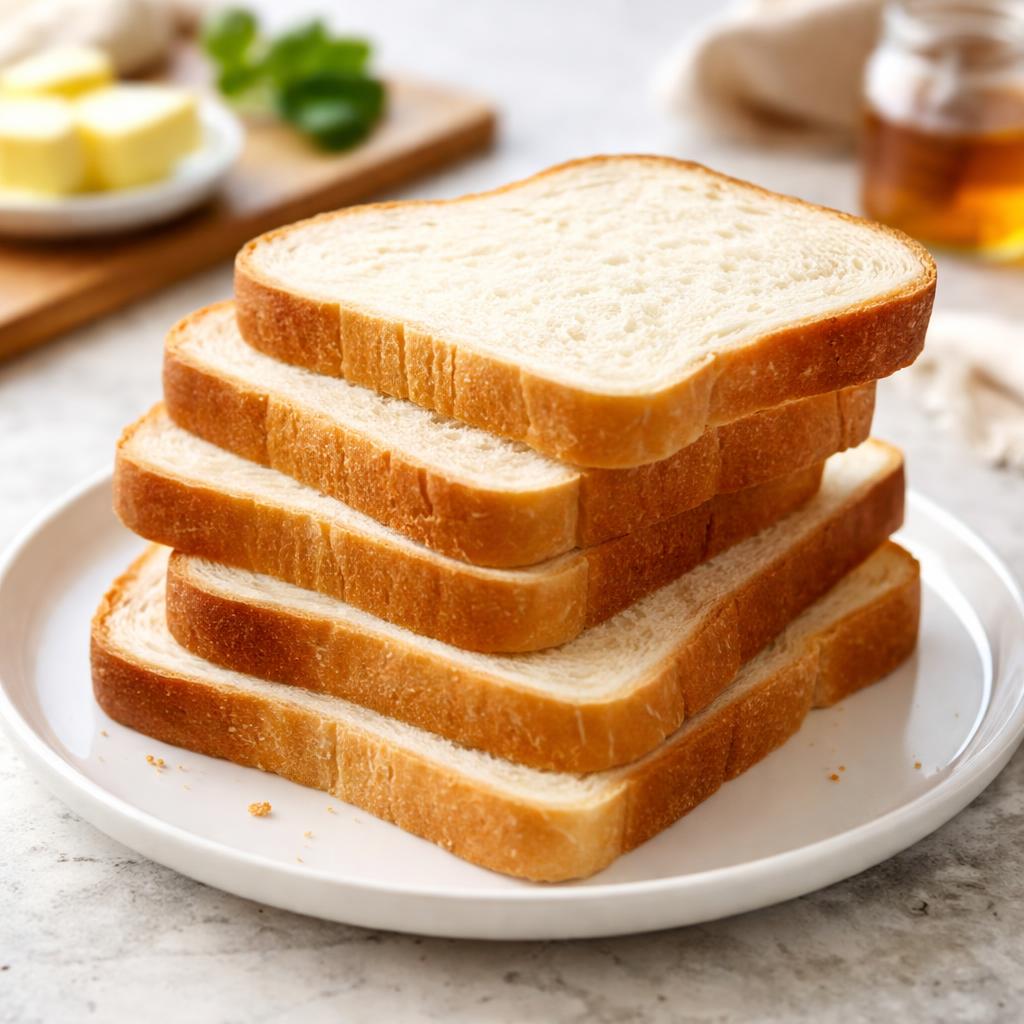
Sandwich Bread

Bread With Cheese Spread
🎯 Quick Verdict
Sandwich bread is lower in calories and higher in fiber, making it a better option for weight management and digestive health. Bread with cheese spread delivers more protein, fat, and calcium, which makes it suitable for energy and bone health. Consider food1 for lighter meals and food2 for nutrient-dense options during active periods.

Smart Nutrition Tracking with SnapCalorie

📊 Nutritional Comparison
Macronutrients
| Nutrient | Food 1 | Food 2 | Winner |
|---|---|---|---|
| Calories | 80 | 120 | ✓ |
| Protein | 2g | 7g | ✓ |
| Carbs | 15g | 12g | ✓ |
| Fat | 1g | 6g | ✓ |
| Fiber | 2g | 1g | ✓ |
Vitamins & Minerals
| Nutrient | Food 1 | Food 2 | Winner |
|---|---|---|---|
| Vitamin D | 0mcg | 1mcg | ✓ |
| Calcium | 30mg | 150mg | ✓ |
| Iron | 1mg | 0.5mg | ✓ |
🏆 Category Winners
Protein
Food2 contains over 3x more protein than food1 due to cheese spread.
Fiber
Food1 is double the fiber content compared to food2.
Calories
Food1 has 33% fewer calories per serving.
Vitamins
Food2 is richer in calcium and provides vitamin D, beneficial for bone health.
🥗 Diet Compatibility
Keto
Food 1: Not Compatible
Food 2: Not Compatible
Both are relatively high in carbs, disqualifying them from keto diets.
Vegan
Food 1: Compatible
Food 2: Not Compatible
Food1 is plant-based, but food2 contains dairy from cheese spread.
Gluten Free
Food 1: Not Compatible
Food 2: Not Compatible
Both foods include gluten-containing wheat products.
Paleo
Food 1: Not Compatible
Food 2: Not Compatible
Neither fits paleo guidelines due to processed ingredients and grains.
Low-Carb
Food 1: Not Compatible
Food 2: Not Compatible
Carb levels in both foods exceed low-carb thresholds.
💪 Health Benefits Comparison
Food 1 Benefits
- Lower in calories, helpful for weight management.
- Higher fiber content for improved digestive health.
- Contains iron for healthy red blood cells.
Food 2 Benefits
- High in protein for muscle repair and maintenance.
- Rich in calcium for bone health.
- Provides vitamin D which supports immune function and bone density.
✅ The Bottom Line
Choose sandwich bread (food1) if you are looking to reduce calorie intake or boost fiber for digestion, making it great for weight management. Opt for bread with cheese spread (food2) if protein and calcium are priorities, especially for active individuals or those aiming to improve bone health.
Choose Food 1 for: Weight management, dietary fiber boost, vegan diets.
Choose Food 2 for: Active lifestyles, protein-rich diets, bone health improvement.


