Salad VS Yogurt
A detailed nutritional comparison
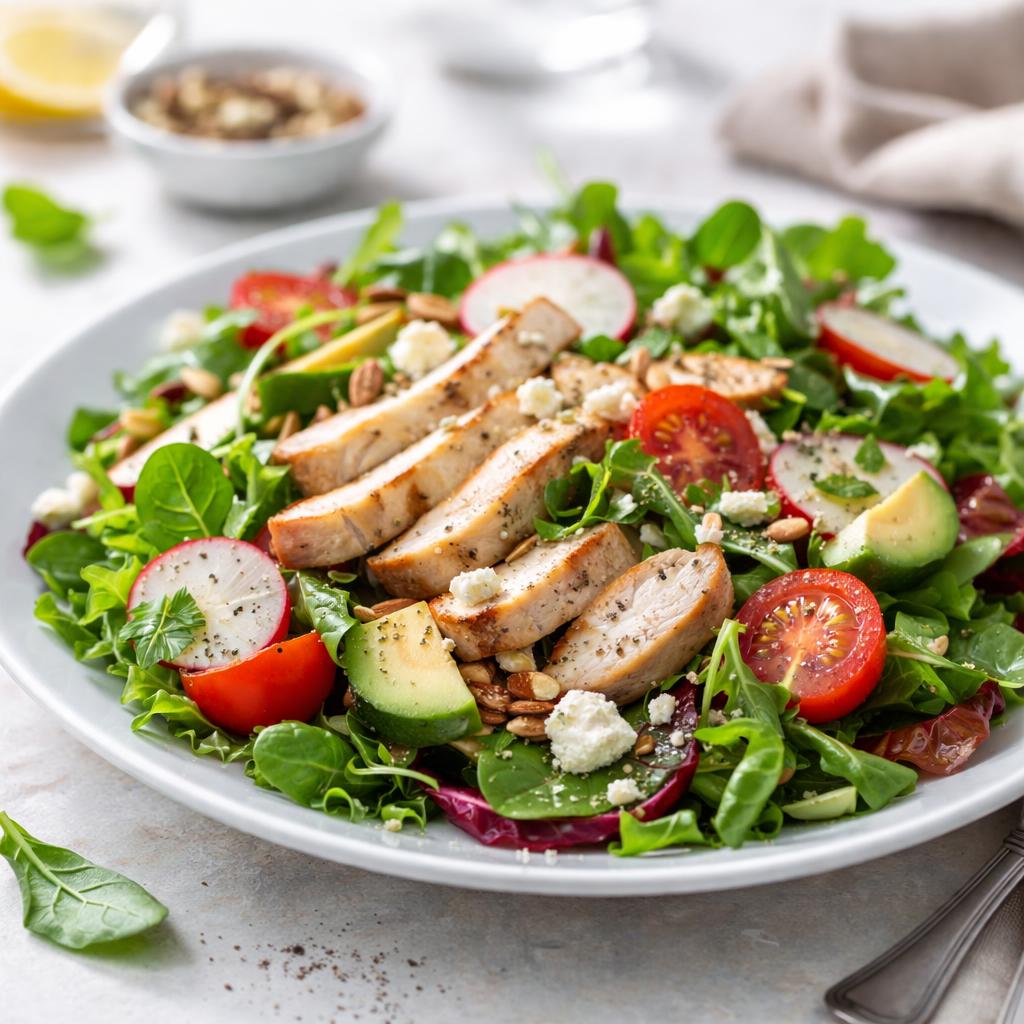
Salad
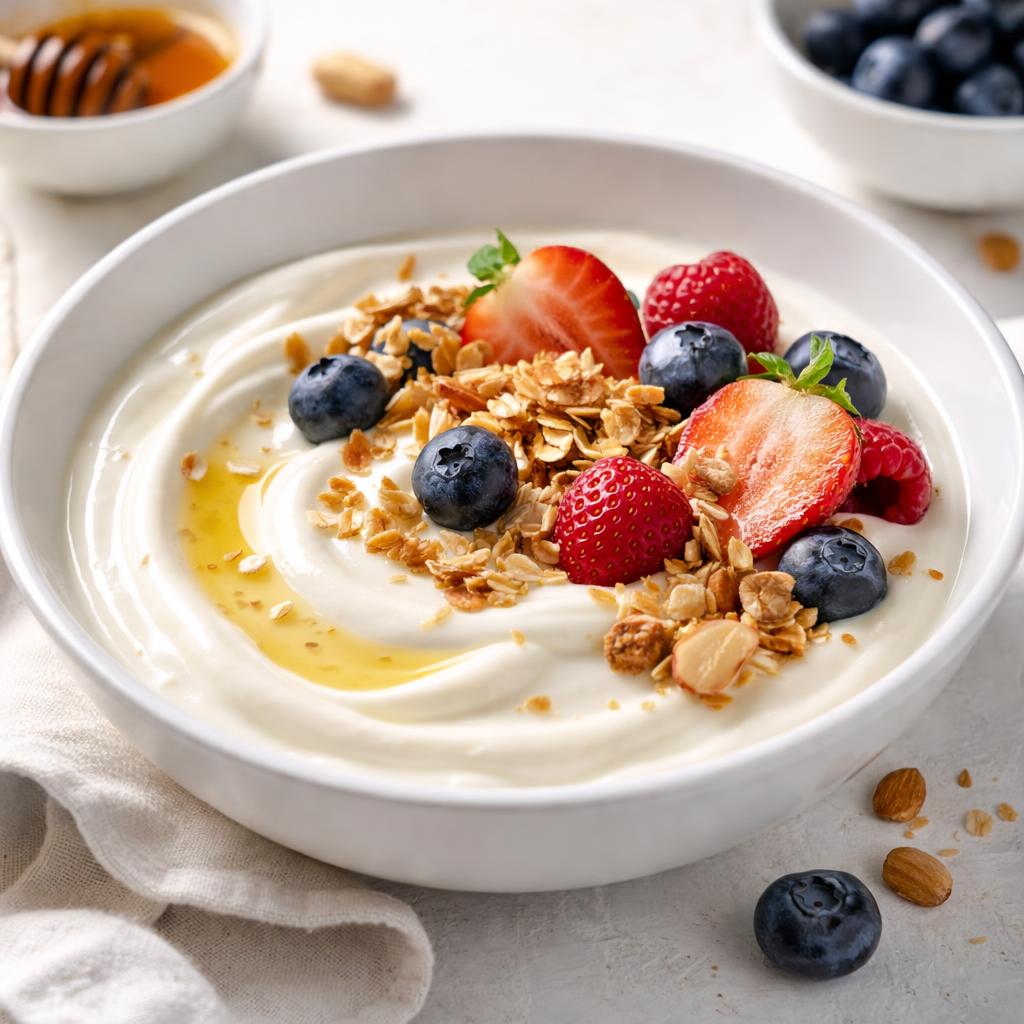
Yogurt
🎯 Quick Verdict
Salad is a low-calorie, fiber-rich choice that is ideal for weight management and digestion support, while yogurt offers more protein and a wealth of probiotics for gut health. Choose salad for a light and filling option and yogurt for muscle recovery or nutrient density.

Smart Nutrition Tracking with SnapCalorie

📊 Nutritional Comparison
Macronutrients
| Nutrient | Food 1 | Food 2 | Winner |
|---|---|---|---|
| Calories | 80 | 150 | ✓ |
| Protein | 3g | 10g | ✓ |
| Carbs | 10g | 12g | ✓ |
| Fat | 3g | 5g | ✓ |
| Fiber | 3g | 0g | ✓ |
Vitamins & Minerals
| Nutrient | Food 1 | Food 2 | Winner |
|---|---|---|---|
| Vitamin D | 0mcg | 2.4mcg | ✓ |
| Calcium | 35mg | 250mg | ✓ |
| Iron | 1mg | 0.1mg | ✓ |
| Vitamin C | 15mg | 0mg | ✓ |
🏆 Category Winners
Protein
Yogurt contains over 3x more protein per serving, beneficial for muscle support.
Fiber
Salad provides 3g of dietary fiber, promoting healthy digestion.
Calories
Salad is significantly lower in calories, better for weight management.
Vitamins
Food1 provides more Vitamin C and Iron, while Food2 excels in Calcium and Vitamin D.
🥗 Diet Compatibility
Keto
Food 1: Compatible
Food 2: Compatible
Both options are low-carb with nutrient density ideal for keto diets.
Vegan
Food 1: Compatible
Food 2: Not Compatible
Salad is plant-based while yogurt is derived from dairy.
Gluten Free
Food 1: Compatible
Food 2: Compatible
Neither food contains gluten ingredients.
Paleo
Food 1: Compatible
Food 2: Not Compatible
Salad fits paleo principles, but conventional dairy yogurt does not.
Low-Carb
Food 1: Compatible
Food 2: Compatible
Both are relatively low in carbohydrates per serving.
💪 Health Benefits Comparison
Food 1 Benefits
- High fiber content supports digestion and satiety.
- Low calorie count aids in weight management.
- Provides Vitamin C, boosting immune health and skin vitality.
Food 2 Benefits
- Rich protein content supports muscle growth and repair.
- Contains probiotics, enhancing gut health and digestion.
- High calcium levels promote strong bones and teeth.
✅ The Bottom Line
Choose salad for a light, fiber-packed option ideal for weight loss and digestion, or yogurt for protein and probiotics to support muscle recovery and gut health. Balanced diets can use both for complementary benefits.
Choose Food 1 for: Weight loss, digestion support, vegan diets
Choose Food 2 for: Muscle recovery, gut health, nutrient density


