Salad VS Radish
A detailed nutritional comparison
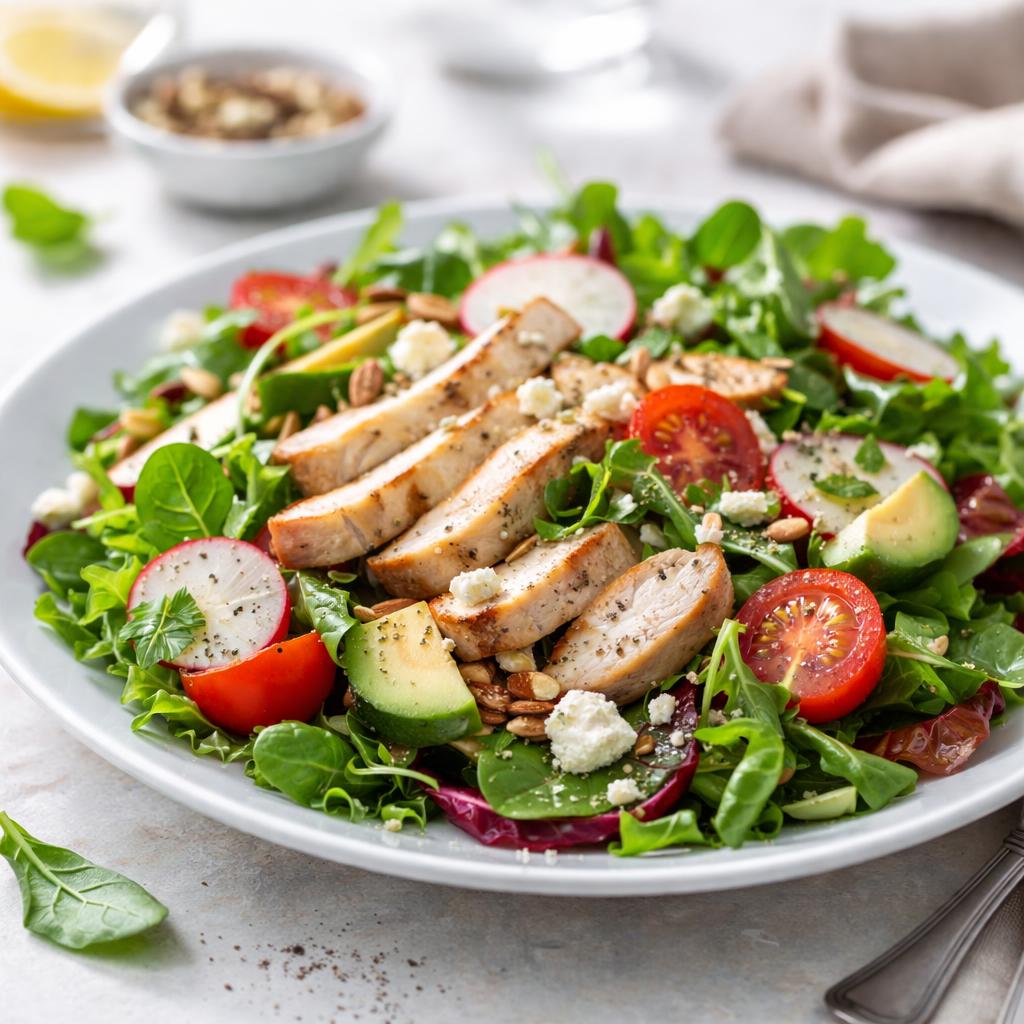
Salad
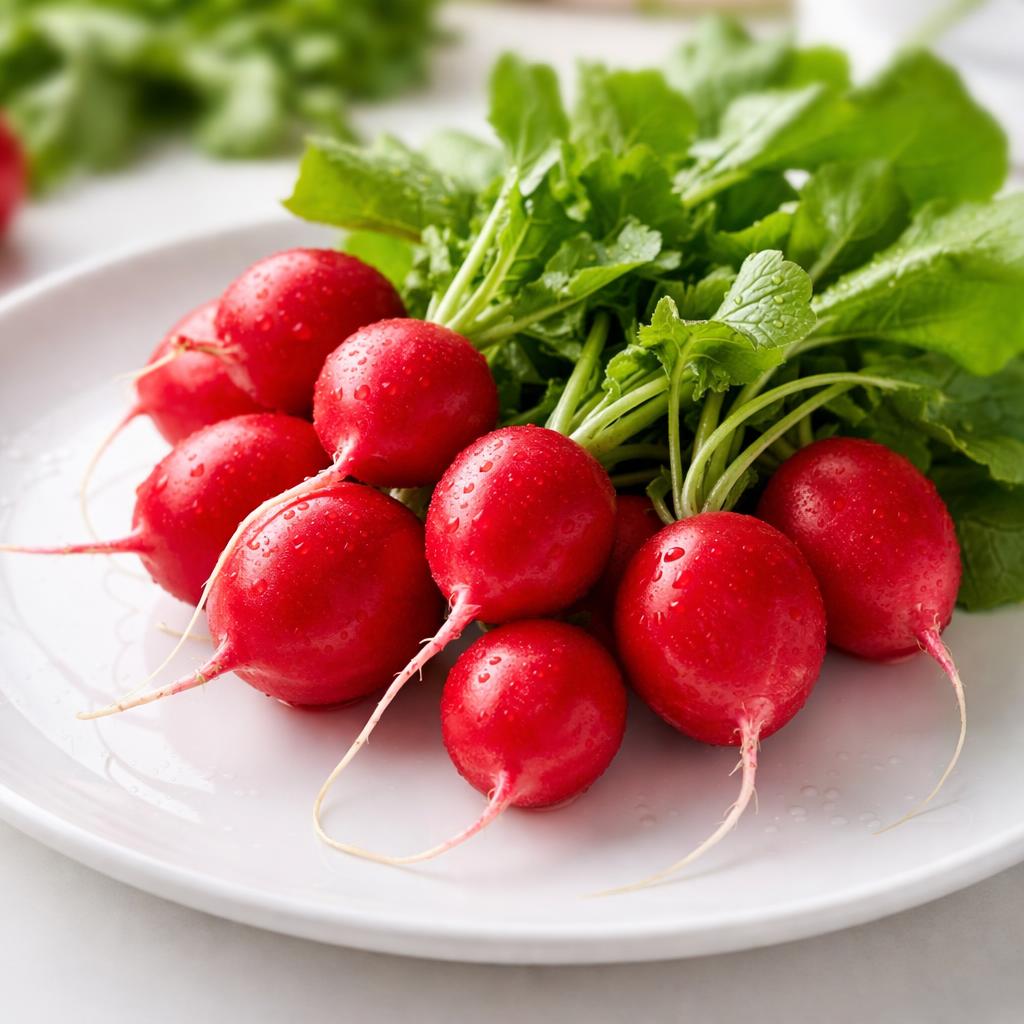
Radish
🎯 Quick Verdict
Salad offers a more balanced nutritional profile with better fiber, vitamins, and overall macronutrient variety, making it a hearty option for meals or weight management. Radishes stand out for their ultra-low calorie content and crisp texture, making them ideal as a hydrating snack or light addition to meals for a nutrient boost.

Smart Nutrition Tracking with SnapCalorie

📊 Nutritional Comparison
Macronutrients
| Nutrient | Food 1 | Food 2 | Winner |
|---|---|---|---|
| Calories | 35 | 16 | ✓ |
| Protein | 1g | 1g | − |
| Carbs | 7g | 3.4g | ✓ |
| Fat | 0.2g | 0.1g | ✓ |
| Fiber | 3g | 1.6g | ✓ |
Vitamins & Minerals
| Nutrient | Food 1 | Food 2 | Winner |
|---|---|---|---|
| Vitamin C | 9mg | 14mg | ✓ |
| Vitamin K | 50mcg | 1.3mcg | ✓ |
| Vitamin A | 180mcg | 7mcg | ✓ |
| Folate (B9) | 80mcg | 25mcg | ✓ |
🏆 Category Winners
Protein
Both foods contain an equal amount of protein at 1g per serving.
Fiber
Salad contains nearly double the fiber compared to radishes, aiding digestion.
Calories
Radish is significantly lower in calories, making it better for highly calorie-restricted diets.
Vitamins
Salad is richer in vitamin K, A, and folate, offering more diverse vitamin support.
🥗 Diet Compatibility
Keto
Food 1: Compatible
Food 2: Compatible
Both are low-carb and fit keto diet guidelines.
Vegan
Food 1: Compatible
Food 2: Compatible
Both foods are plant-based and vegan-friendly.
Gluten Free
Food 1: Compatible
Food 2: Compatible
Neither contains gluten, making them safe for gluten-free diets.
Paleo
Food 1: Compatible
Food 2: Compatible
Both are whole foods and paleo-friendly.
Low-Carb
Food 1: Partially Compatible
Food 2: Compatible
Radish is better suited for strict low-carb diets with fewer carbs per serving.
💪 Health Benefits Comparison
Food 1 Benefits
- Rich in fiber for improved digestion and gut health
- Excellent source of vitamin K for bone health
- Contains folate, supporting cell function and prenatal development
- Provides vitamin A for eye and immune health
Food 2 Benefits
- Low calorie, making it ideal for weight loss and snacking
- High vitamin C content supports immune function and skin health
- Contains water and promotes hydration
- Provides mild antioxidants for combatting oxidative stress
✅ The Bottom Line
Salad is better suited for those seeking a nutrient-dense, fiber-rich, and balanced option for meals. Radishes excel as a low-calorie, hydrating snack or light side. Both have overlapping uses in weight management, plant-based diets, and general health goals.
Choose Food 1 for: Balanced meals, digestion support, nutrient density
Choose Food 2 for: Low-calorie snacking, hydration, added crunch to dishes


