Salad VS Pomegranate
A detailed nutritional comparison
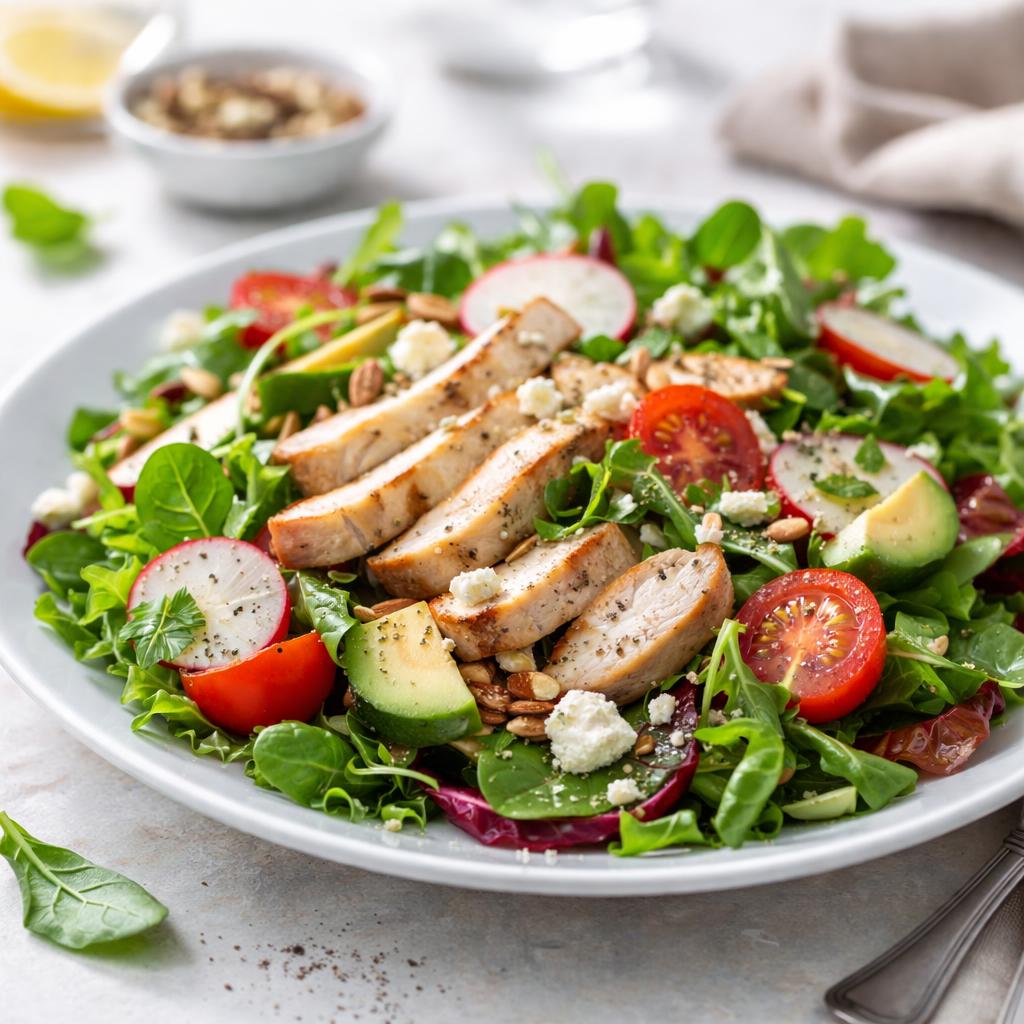
Salad
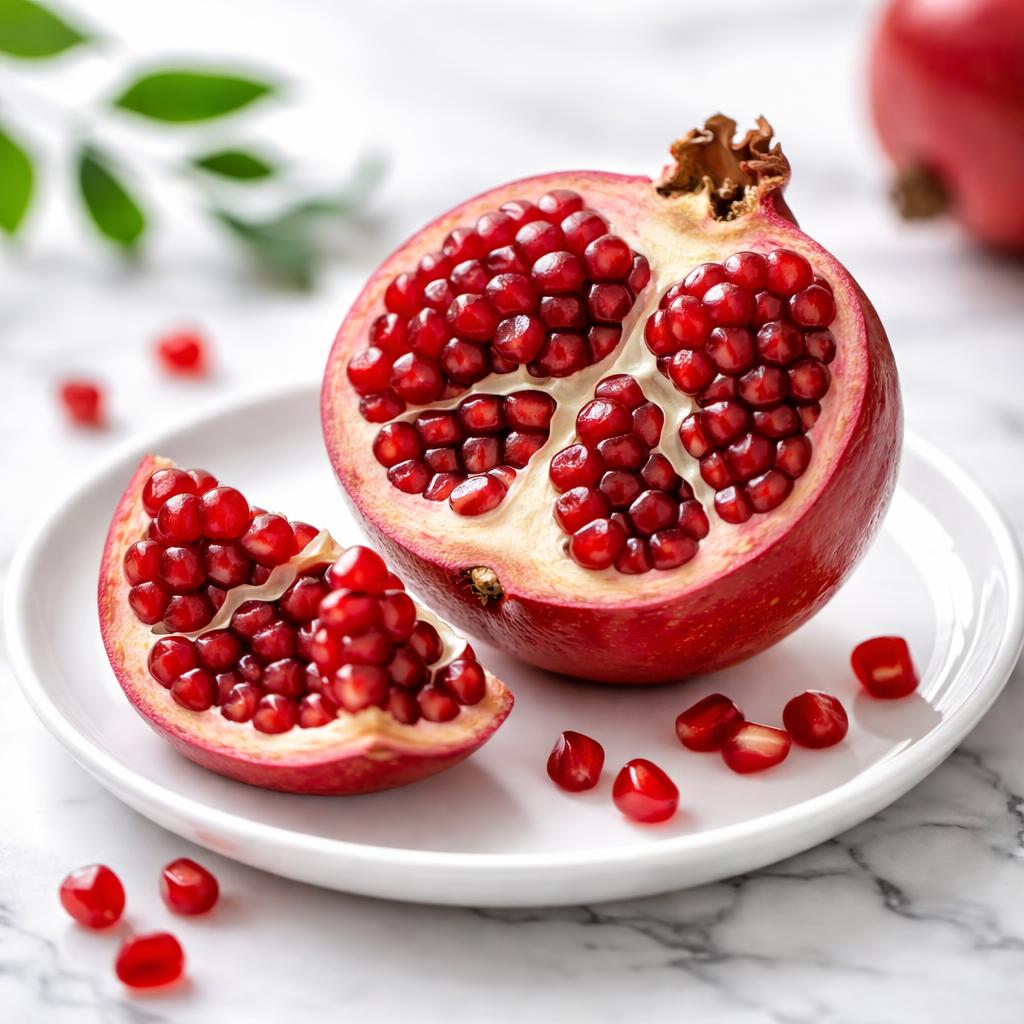
Pomegranate
🎯 Quick Verdict
Salad and pomegranate differ in their nutritional profiles and best uses. Salad is lower in calories and higher in protein, making it ideal for weight management and muscle health. Pomegranate excels in fiber and antioxidants, making it great for digestion and overall health. Both are good options for vegan and gluten-free diets, but their use depends on dietary goals.

Smart Nutrition Tracking with SnapCalorie

📊 Nutritional Comparison
Macronutrients
| Nutrient | Food 1 | Food 2 | Winner |
|---|---|---|---|
| Calories | 50 kcal | 83 kcal | ✓ |
| Protein | 2g | 1g | ✓ |
| Carbs | 10g | 19g | ✓ |
| Fat | 0.2g | 1.2g | ✓ |
| Fiber | 2g | 4g | ✓ |
Vitamins & Minerals
| Nutrient | Food 1 | Food 2 | Winner |
|---|---|---|---|
| Vitamin C | 9mg | 10mg | ✓ |
| Vitamin K | 60mcg | 16mcg | ✓ |
| Potassium | 170mg | 236mg | ✓ |
🏆 Category Winners
Protein
Salad provides double the protein compared to pomegranate.
Fiber
Pomegranate contains twice as much fiber as salad.
Calories
Salad is significantly lower in calories, suitable for weight loss diets.
Vitamins
Salad wins due to higher Vitamin K content.
🥗 Diet Compatibility
Keto
Food 1: Compatible
Food 2: Not Compatible
Salad is low-carb (10g per serving), while pomegranate is higher in carbs.
Vegan
Food 1: Compatible
Food 2: Compatible
Both are plant-based foods.
Gluten Free
Food 1: Compatible
Food 2: Compatible
Neither food contains gluten.
Paleo
Food 1: Compatible
Food 2: Compatible
Both fit paleo-friendly dietary guidelines.
Low-Carb
Food 1: Compatible
Food 2: Not Compatible
Salad is lower in carbs, making it suitable for low-carb diets.
💪 Health Benefits Comparison
Food 1 Benefits
- Low in calories, ideal for weight management
- Contains Vitamin K for bone and cardiovascular health
- Rich in antioxidants, promoting immune system support
Food 2 Benefits
- High in fiber, supporting digestion and gut health
- Rich in antioxidants for overall health and combating inflammation
- Contains potassium, which supports heart and muscle function
✅ The Bottom Line
Choose salad for weight management, post-workout meals, and low-carb diets. Opt for pomegranate for antioxidant-rich snacks, improving digestion, and heart health. Both are excellent additions to vegan and gluten-free diets depending on your goals.
Choose Food 1 for: Weight loss, high-protein diets, quick savory meals
Choose Food 2 for: Heart health, improved digestion, nutrient variety


