Salad VS Pickled Radish
A detailed nutritional comparison
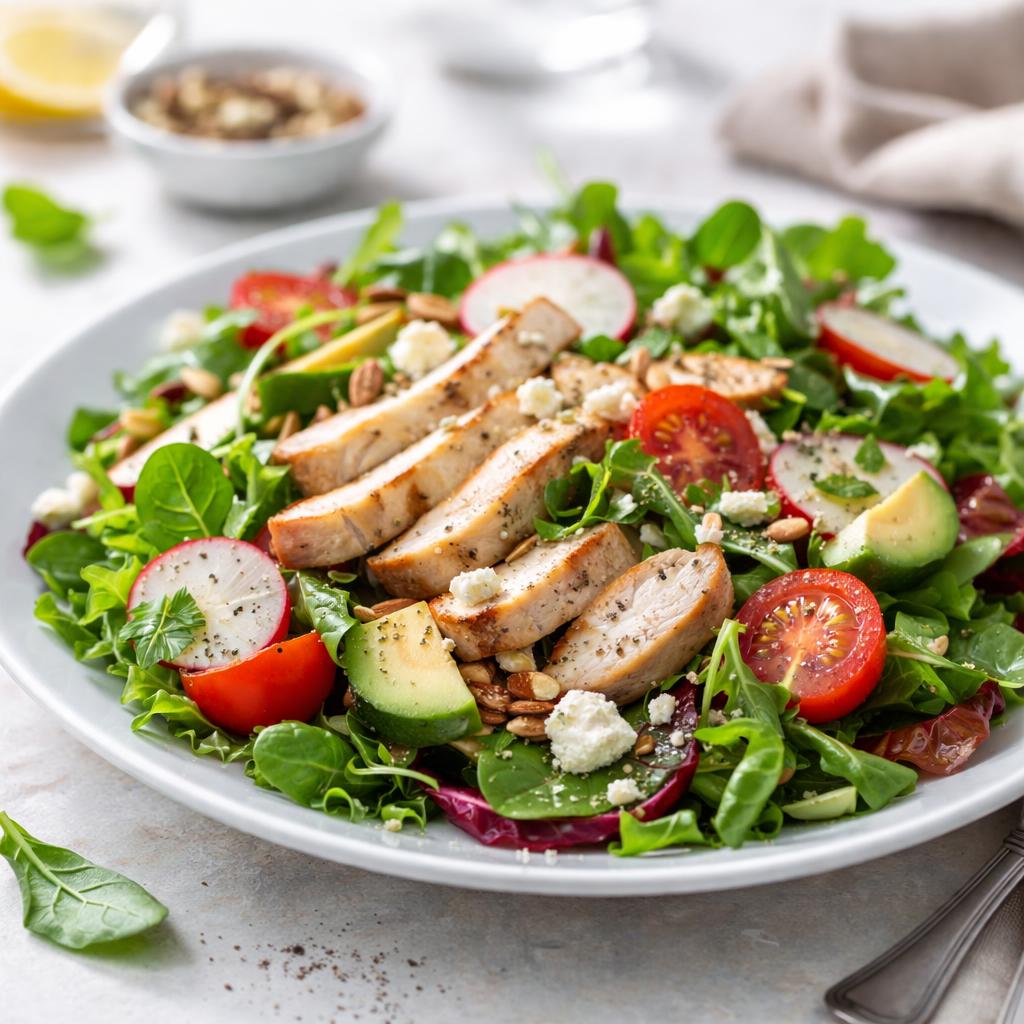
Salad
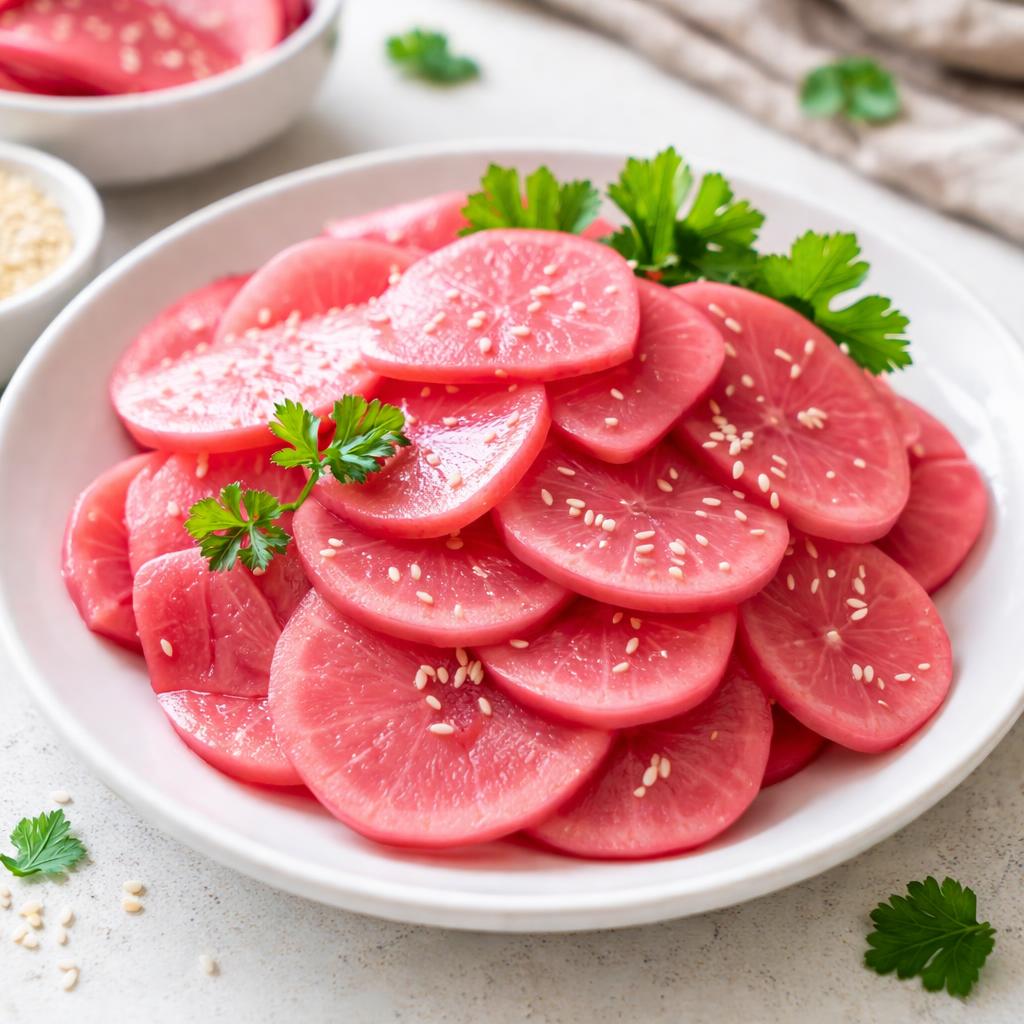
Pickled Radish
🎯 Quick Verdict
Salad and pickled radish are drastically different in their nutritional profiles. Salad offers higher protein, fiber, and a broad range of vitamins, making it more nutritionally dense. Pickled radish, while lower in fiber and protein, shines as a flavorful condiment rich in probiotics due to its fermentation process. Salad is excellent as a standalone meal, whereas pickled radish is best used as a healthy side or flavor enhancer.

Smart Nutrition Tracking with SnapCalorie

📊 Nutritional Comparison
Macronutrients
| Nutrient | Food 1 | Food 2 | Winner |
|---|---|---|---|
| Calories | 15 per cup | 15 per cup | − |
| Protein | 1g | 0g | − |
| Carbs | 3g | 3g | − |
| Fat | 0.2g | 0g | − |
| Fiber | 1.5g | 0.5g | − |
Vitamins & Minerals
| Nutrient | Food 1 | Food 2 | Winner |
|---|---|---|---|
| Vitamin A | 2600 IU | 0 IU | − |
| Vitamin C | 9mg | 3mg | − |
| Potassium | 120mg | 90mg | − |
🏆 Category Winners
Protein
Salad contains protein, whereas pickled radish has none.
Fiber
Salad has three times more fiber per cup than pickled radish.
Calories
Both foods are extremely low-calorie, around 15 calories per cup.
Vitamins
Salad is richer in vitamin A, C, and potassium compared to pickled radish.
🥗 Diet Compatibility
Keto
Food 1: Compatible
Food 2: Compatible
Both are low in carbs and keto-friendly.
Vegan
Food 1: Compatible
Food 2: Compatible
Both are plant-based options.
Gluten Free
Food 1: Compatible
Food 2: Compatible
Neither contains gluten.
Paleo
Food 1: Compatible
Food 2: Not Compatible
Pickled radish may contain additives or non-paleo-friendly ingredients.
Low-Carb
Food 1: Compatible
Food 2: Compatible
Both are low-carb, containing only 3g of carbs per cup.
💪 Health Benefits Comparison
Food 1 Benefits
- Rich in fiber for digestive health
- Low-calorie option for weight loss
- High in vitamin A for eye health
- Boosts potassium levels for heart function
Food 2 Benefits
- Rich in probiotics for gut health (due to fermentation)
- Low-calorie side dish for weight management
- Provides trace nutrients and minerals
- Excellent flavor enhancer without added sugar
✅ The Bottom Line
Salad offers a more comprehensive nutritional profile with fiber, protein, and essential vitamins, making it suitable as a main dish or meal base. Pickled radish is a low-calorie condiment rich in probiotics, best used to add flavor to other dishes. Choose salad for nutrient density and meal planning, and pickled radish for enhancing flavors and promoting gut health.
Choose Food 1 for: Meal replacement, weight loss, nutrient-rich meals
Choose Food 2 for: Flavor enhancement, gut health, low-calorie side


