Salad VS Overnight Oats
A detailed nutritional comparison
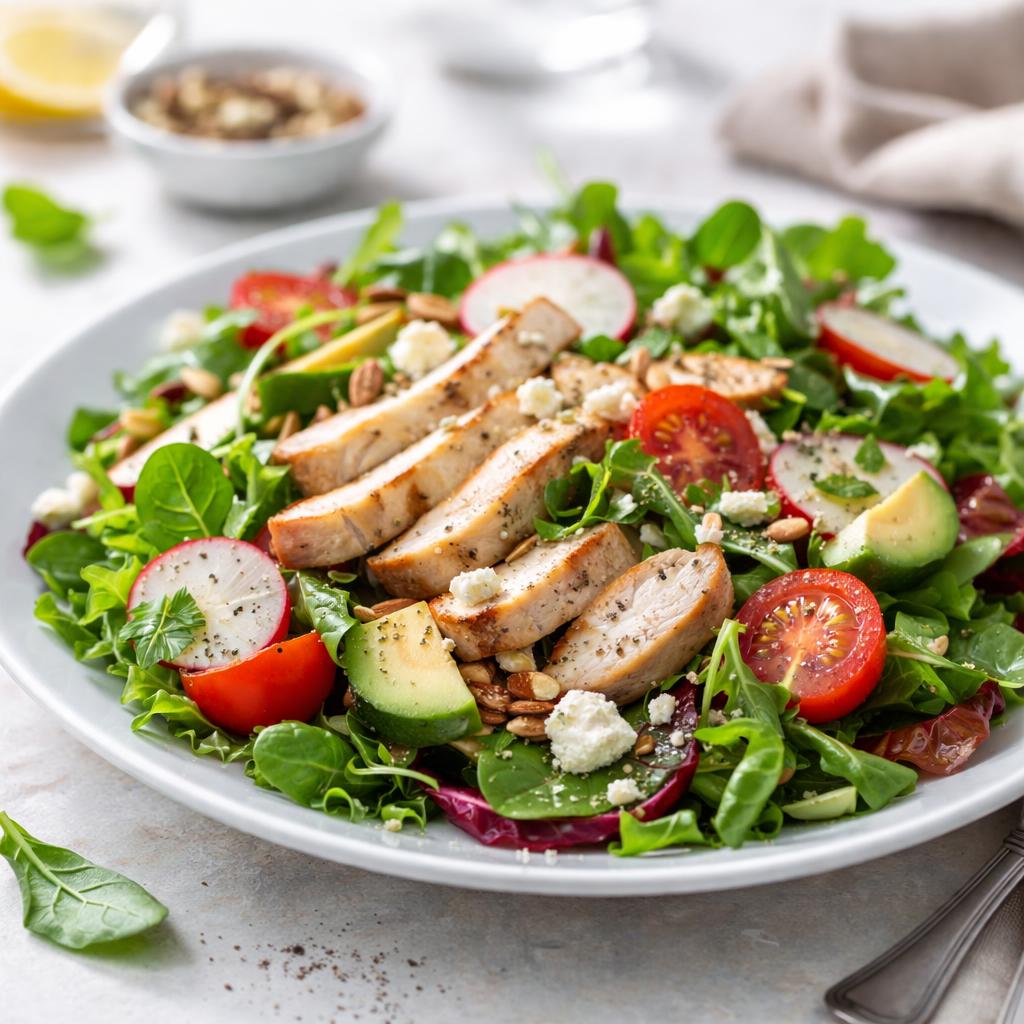
Salad
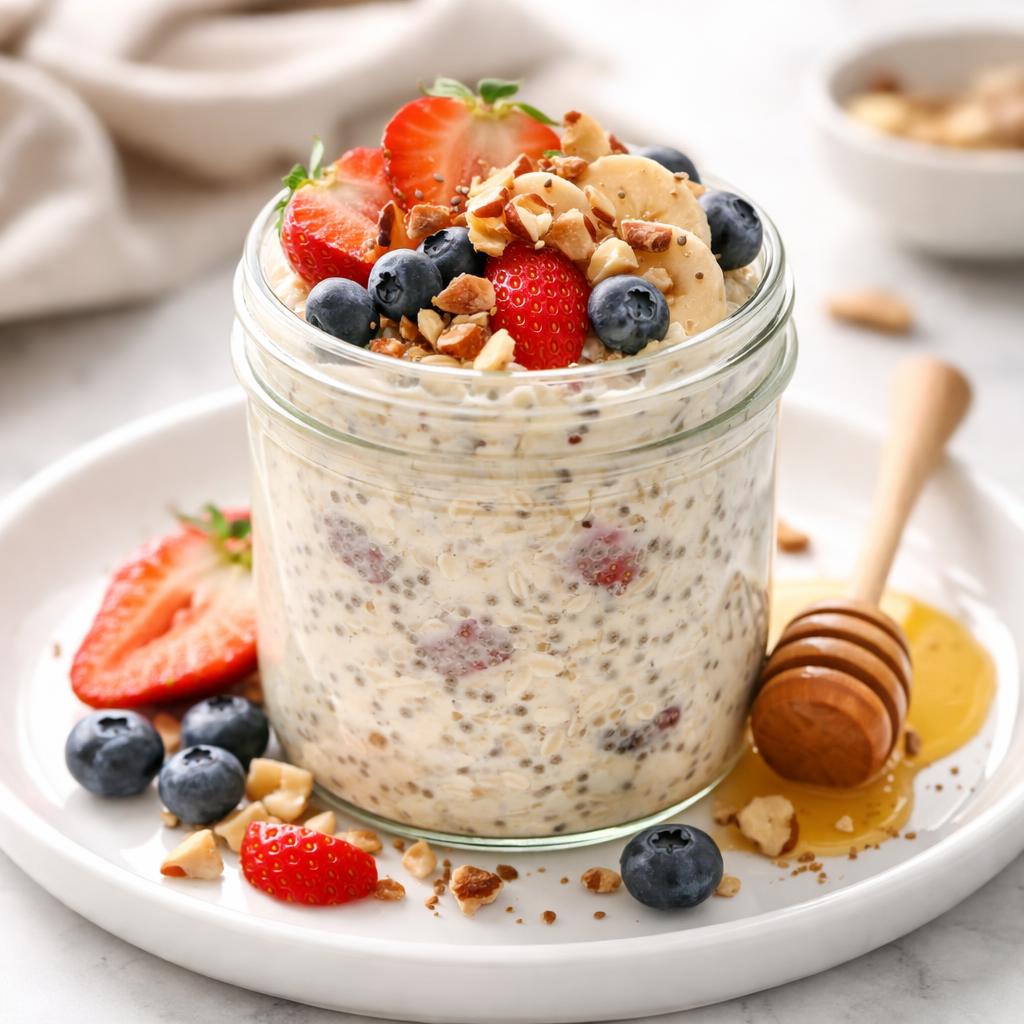
Overnight Oats
🎯 Quick Verdict
Salad is lower in calories and carbs, while overnight oats provide significantly more protein and fiber, making them better for energy and muscle recovery. Salad is ideal for weight management or light meals, while overnight oats offer a nutrient-dense option for breakfast or post-workout recovery.

Smart Nutrition Tracking with SnapCalorie

📊 Nutritional Comparison
Macronutrients
| Nutrient | Food 1 | Food 2 | Winner |
|---|---|---|---|
| Calories | 120 | 250 | ✓ |
| Protein | 2g | 10g | ✓ |
| Carbs | 10g | 35g | ✓ |
| Fat | 6g | 6g | − |
| Fiber | 2g | 8g | ✓ |
Vitamins & Minerals
| Nutrient | Food 1 | Food 2 | Winner |
|---|---|---|---|
| Vitamin A | 1500 IU | 0 IU | ✓ |
| Vitamin C | 30mg | 0mg | ✓ |
| Iron | 1mg | 2mg | ✓ |
| Calcium | 50mg | 200mg | ✓ |
🏆 Category Winners
Protein
Overnight oats have 5x more protein per serving compared to salad.
Fiber
Overnight oats offer 4x more fiber per serving.
Calories
Salad contains 50% fewer calories than overnight oats.
Vitamins
Salad is richer in Vitamin A and Vitamin C, important for skin, eye health, and immunity.
🥗 Diet Compatibility
Keto
Food 1: Compatible
Food 2: Not Compatible
Salad is low-carb, while oats are higher in carbohydrates.
Vegan
Food 1: Compatible
Food 2: Compatible
Both are plant-based and suitable for vegan diets.
Gluten Free
Food 1: Compatible
Food 2: Depends
Food2 requires gluten-free oats to be compatible.
Paleo
Food 1: Compatible
Food 2: Not Compatible
Paleo typically excludes grains like oats used in food2.
Low-Carb
Food 1: Compatible
Food 2: Not Compatible
Salad is much lower in carbohydrates, making it a better option for low-carb diets.
💪 Health Benefits Comparison
Food 1 Benefits
- Low in calories for weight management
- Rich in Vitamin A and Vitamin C for skin and immune health
- Contains antioxidants that reduce inflammation
- Hydration from high water content helps maintain overall wellness
Food 2 Benefits
- High in protein for muscle repair and growth
- Rich in fiber to aid digestion and improve satiety
- Provides sustained energy due to complex carbs
- Good source of calcium and iron for bone and blood health
✅ The Bottom Line
Choose salad for light, low-calorie meals and nutrient-rich snacking, especially for weight loss or low-carb diets. Opt for overnight oats for a satisfying, nutrient-dense breakfast or post-workout fuel, especially for fiber, protein, and sustained energy.
Choose Food 1 for: Weight management, hydration, light meals
Choose Food 2 for: Muscle growth, long-lasting energy, nutrient-dense breakfasts


