Cabbage Salad Overnight
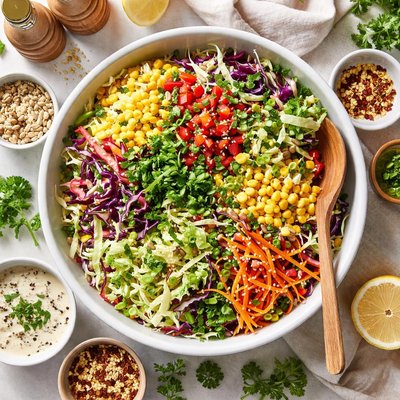
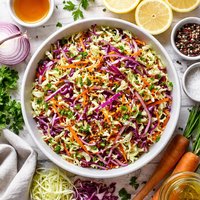
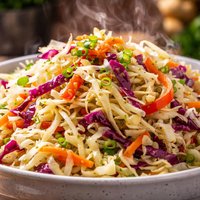
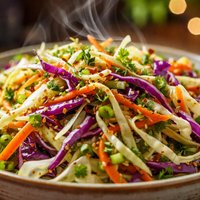
Brighten up your table with this vibrant and tangy Cabbage Salad Overnight, a make-ahead dish that’s perfect for meal prep or entertaining. This no-cook recipe combines crisp green cabbage, sweet grated carrots, and zesty red onion, all tossed in a delightful homemade dressing made with white vinegar, olive oil, Dijon mustard, and a hint of celery seed. The magic happens as it rests in the fridge overnight, allowing the flavors to meld beautifully while the cabbage softens just enough for the perfect crunch. With only 20 minutes of prep time and no cooking required, this chilled cabbage salad is an effortless yet flavorful addition to summer barbecues, potlucks, or weeknight dinners.

Smart Nutrition Tracking with SnapCalorie

Recipe Information
Ingredients
- 1 medium head green cabbage
- 2 large carrots
- 1 small red onion
- 0.5 cup white vinegar
- 0.25 cup granulated sugar
- 0.25 cup olive oil
- 1 tablespoon Dijon mustard
- 1 teaspoon celery seeds
- 1 teaspoon salt
- 0.5 teaspoon black pepper
Instructions
Remove the outer leaves of the cabbage and chop it into thin shreds using a sharp knife or a mandoline slicer. Place the shredded cabbage in a large mixing bowl.
Peel and grate the carrots. Add the grated carrots to the cabbage.
Halve and thinly slice the red onion, then add it to the bowl with the cabbage and carrots.
In a small bowl, whisk together the white vinegar, granulated sugar, olive oil, Dijon mustard, celery seeds, salt, and black pepper until well combined.
Pour the dressing over the cabbage mixture and toss everything together until the vegetables are evenly coated.
Transfer the salad to an airtight container or cover the bowl tightly with plastic wrap. Refrigerate overnight to allow the flavors to meld and the cabbage to soften slightly.
Before serving, toss the salad again to redistribute the dressing. Serve chilled as a flavorful side dish.
Nutrition Facts
Calories |
167 | ||
|---|---|---|---|
% Daily Value* |
|||
| Total Fat | 9.9 g | 13% | |
| Saturated Fat | 1.3 g | 6% | |
| Polyunsaturated Fat | 0.0 g | ||
| Cholesterol | 0 mg | 0% | |
| Sodium | 424 mg | 18% | |
| Total Carbohydrate | 20.0 g | 7% | |
| Dietary Fiber | 4.4 g | 16% | |
| Total Sugars | 14.1 g | ||
| Protein | 2.1 g | 4% | |
| Vitamin D | 0.0 mcg | 0% | |
| Calcium | 77 mg | 6% | |
| Iron | 1.1 mg | 6% | |
| Potassium | 360 mg | 8% | |
*The % Daily Value tells you how much a nutrient in a serving of food contributes to a daily diet. 2,000 calories a day is used for general nutrition advice.


