Salad VS Mozzarella Cheese
A detailed nutritional comparison
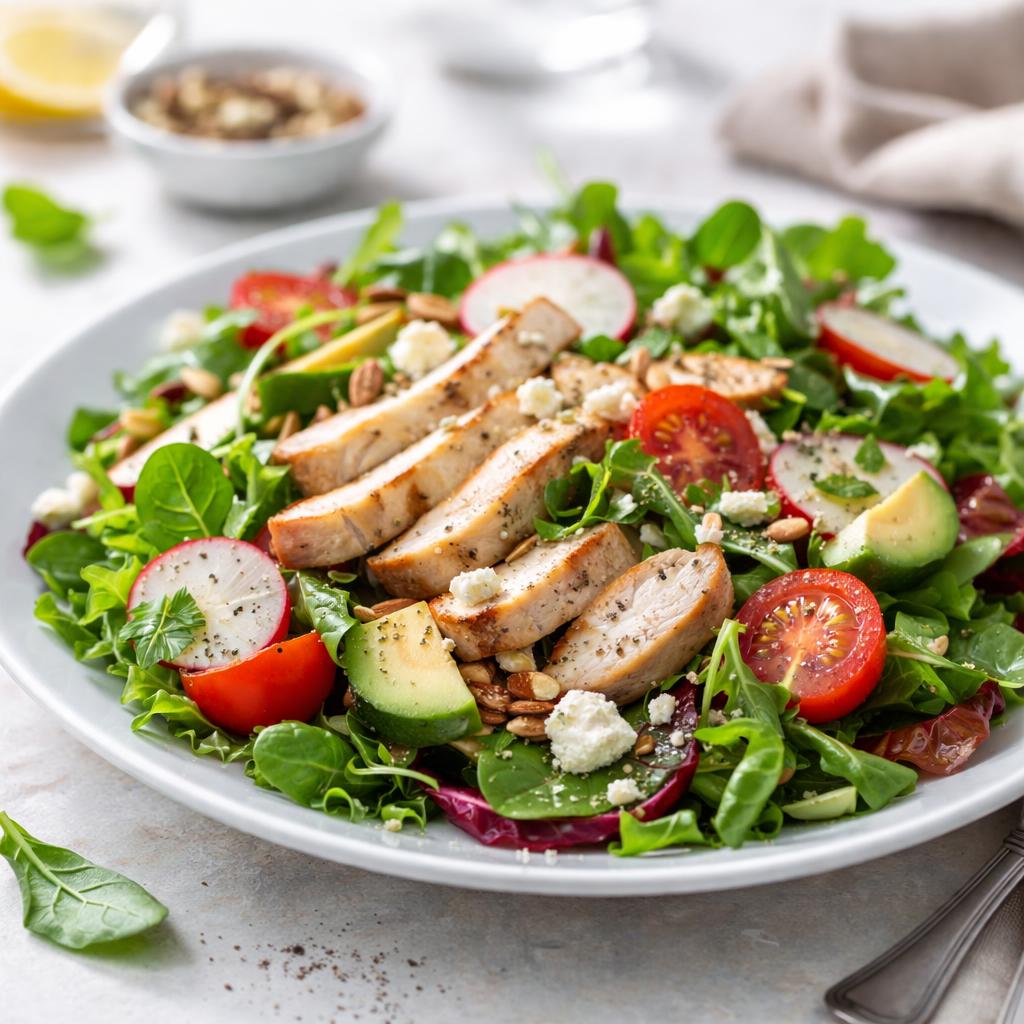
Salad
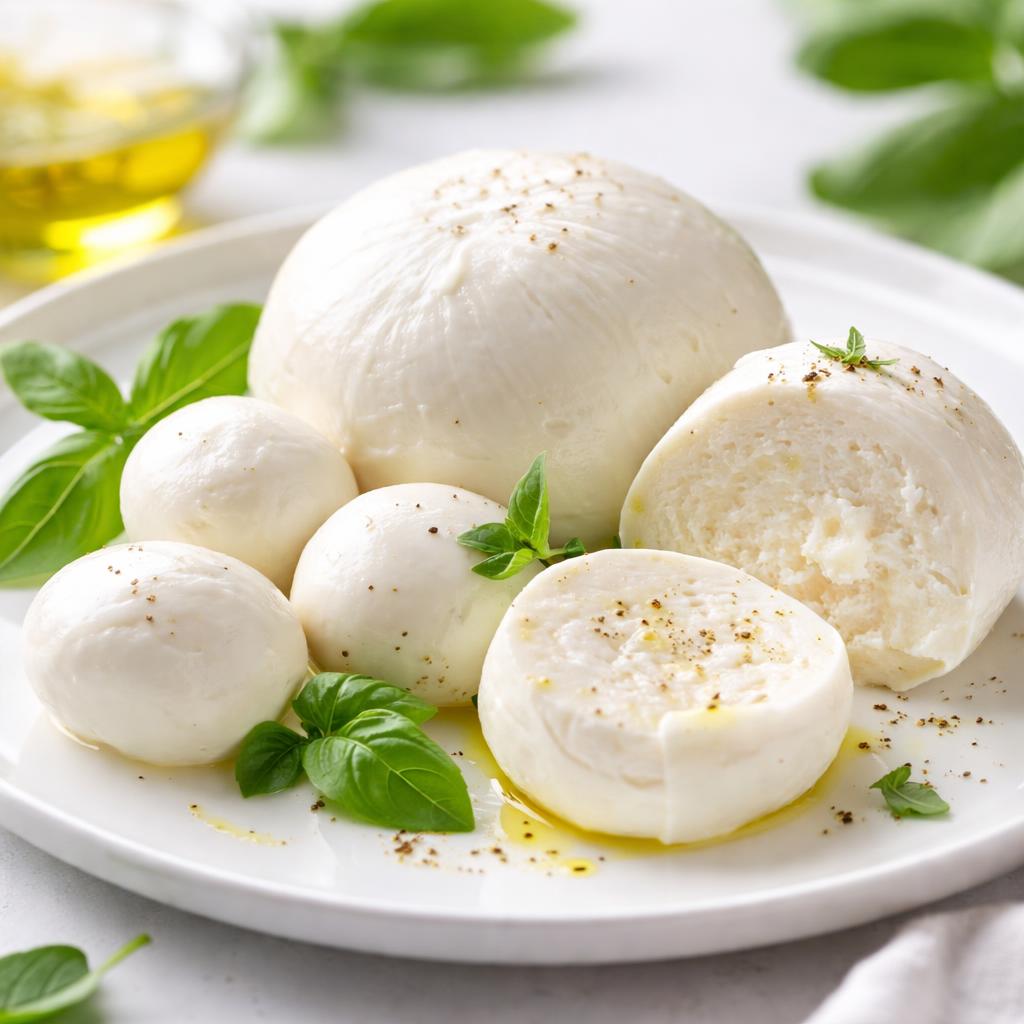
Mozzarella Cheese
🎯 Quick Verdict
Salad is low in calories, high in fiber, and provides a variety of micronutrients, making it ideal for weight management and digestive health. Mozzarella cheese is richer in protein and fat, and offers calcium for bone health, making it a good choice for those seeking a filling, nutrient-dense food. Both can complement diverse dietary plans depending on goals.

Smart Nutrition Tracking with SnapCalorie

📊 Nutritional Comparison
Macronutrients
| Nutrient | Food 1 | Food 2 | Winner |
|---|---|---|---|
| Calories | 50 per 100g | 280 per 100g | ✓ |
| Protein | 2g per 100g | 18g per 100g | ✓ |
| Carbs | 3g per 100g | 1g per 100g | ✓ |
| Fat | 0.2g per 100g | 22g per 100g | ✓ |
| Fiber | 2g per 100g | 0g per 100g | ✓ |
Vitamins & Minerals
| Nutrient | Food 1 | Food 2 | Winner |
|---|---|---|---|
| Vitamin A | 126mcg per 100g | 219mcg per 100g | ✓ |
| Calcium | 33mg per 100g | 505mg per 100g | ✓ |
| Iron | 0.8mg per 100g | 0.3mg per 100g | ✓ |
🏆 Category Winners
Protein
Mozzarella contains 9x more protein per serving compared to salad.
Fiber
Salad delivers 2g of fiber while mozzarella provides none.
Calories
Salad has significantly fewer calories—50 vs 280 per 100g.
🥗 Diet Compatibility
Keto
Food 1: Compatible
Food 2: Compatible
Both foods are low in carbs, making them keto-friendly.
Vegan
Food 1: Compatible
Food 2: Not Compatible
Salad is entirely plant-based, while mozzarella cheese comes from animal milk.
Gluten Free
Food 1: Compatible
Food 2: Compatible
Neither food contains gluten.
Paleo
Food 1: Compatible
Food 2: Compatible
Both are whole, minimally processed foods suitable for a Paleo diet.
Low-Carb
Food 1: Compatible
Food 2: Compatible
Mozzarella is particularly low in carbs (1g per 100g), while salad remains moderately low in carbs (3g per 100g).
💪 Health Benefits Comparison
Food 1 Benefits
- Low-calorie option for weight management
- Rich in fiber, promoting healthy digestion
- Good source of iron to support energy levels
- Contains antioxidants for overall cellular health
Food 2 Benefits
- High in protein for muscle and tissue repair
- Rich in calcium and vitamin A for bone and eye health
- Provides healthy fats for long-lasting energy
- Supports satiety due to its protein and fat content
✅ The Bottom Line
Choose salad for a light, fiber-rich addition to meals, especially for weight management or digestive health. Opt for mozzarella cheese when you need a protein-packed, satiating option or a source of healthy fats. Both work well depending on dietary goals.
Choose Food 1 for: Weight loss, digestive health, vegan diets
Choose Food 2 for: Muscle building, bone health, keto or low-carb diets


