Figs and Mozzarella Salad
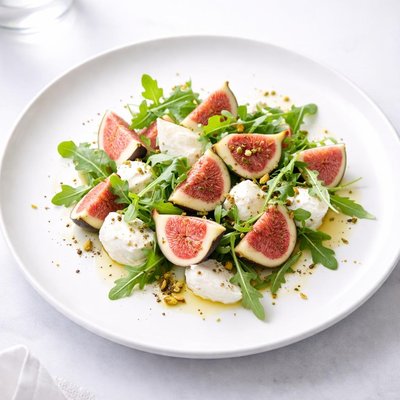
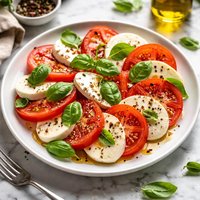
Elevate your salad game with this Figs and Mozzarella Salad, a vibrant medley of flavors and textures that strikes the perfect balance between sweet, savory, and tangy. Juicy, ripe figs pair harmoniously with creamy fresh mozzarella, while peppery arugula provides a crisp, leafy base. A drizzle of homemade dressing—made with extra-virgin olive oil, balsamic vinegar, honey, and a pinch of black pepper—ties everything together with a bold, zesty kick. Garnished with fragrant basil leaves and optional toasted almonds for a delightful crunch, this no-cook recipe is as quick to prepare as it is to devour. Ready in just 15 minutes, it's an elegant option for a light lunch, dinner starter, or show-stopping side dish that celebrates fresh, seasonal ingredients.

Smart Nutrition Tracking with SnapCalorie

Recipe Information
Ingredients
- 6 fresh figs
- 8 ounces fresh mozzarella
- 4 cups arugula
- 2 tablespoons extra-virgin olive oil
- 1 tablespoon balsamic vinegar
- 1 teaspoon honey
- 0.5 teaspoons salt
- 0.25 teaspoons black pepper
- 8 fresh basil leaves
- 2 tablespoons toasted almonds (optional)
Instructions
Wash and dry the fresh figs. Slice them into quarters and set aside.
Drain the fresh mozzarella and pat it dry with paper towels. Tear it into bite-sized pieces or slice it into rounds, depending on your preference.
In a small bowl, whisk together the olive oil, balsamic vinegar, honey, salt, and black pepper until emulsified to create the dressing.
Arrange the arugula on a large serving platter or individual plates as the base layer.
Scatter the sliced figs and torn mozzarella over the arugula.
Drizzle the balsamic dressing evenly over the salad, ensuring everything gets a light coating.
Garnish the salad with fresh basil leaves and, if desired, sprinkle toasted almonds on top for extra texture and flavor.
Serve immediately and enjoy this fresh, vibrant salad.
Nutrition Facts
Calories |
377 | ||
|---|---|---|---|
% Daily Value* |
|||
| Total Fat | 20.8 g | 27% | |
| Saturated Fat | 7.8 g | 39% | |
| Polyunsaturated Fat | 0.5 g | ||
| Cholesterol | 37 mg | 12% | |
| Sodium | 651 mg | 28% | |
| Total Carbohydrate | 35.2 g | 13% | |
| Dietary Fiber | 5.3 g | 19% | |
| Total Sugars | 27.9 g | ||
| Protein | 16.2 g | 32% | |
| Vitamin D | 0.2 mcg | 1% | |
| Calcium | 505 mg | 39% | |
| Iron | 1.5 mg | 8% | |
| Potassium | 559 mg | 12% | |
*The % Daily Value tells you how much a nutrient in a serving of food contributes to a daily diet. 2,000 calories a day is used for general nutrition advice.


