Salad VS Juice
A detailed nutritional comparison
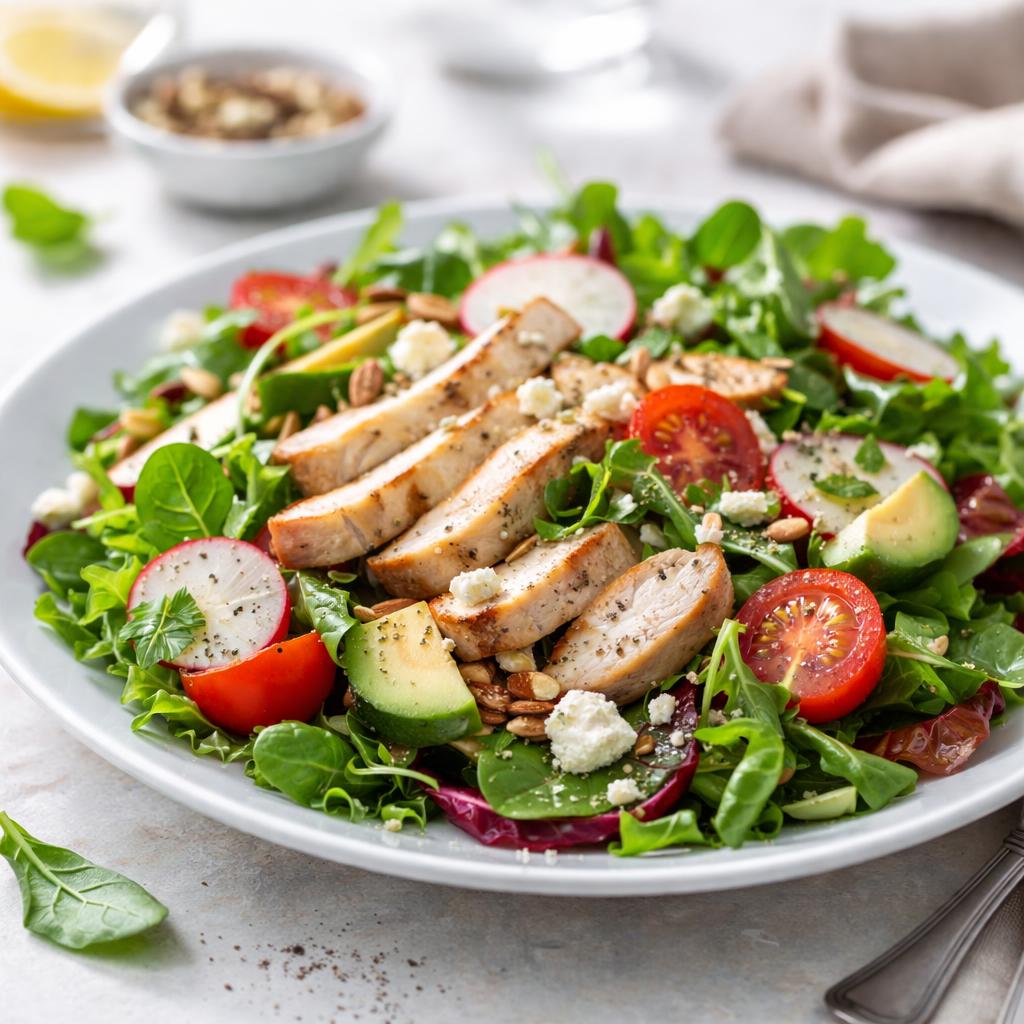
Salad
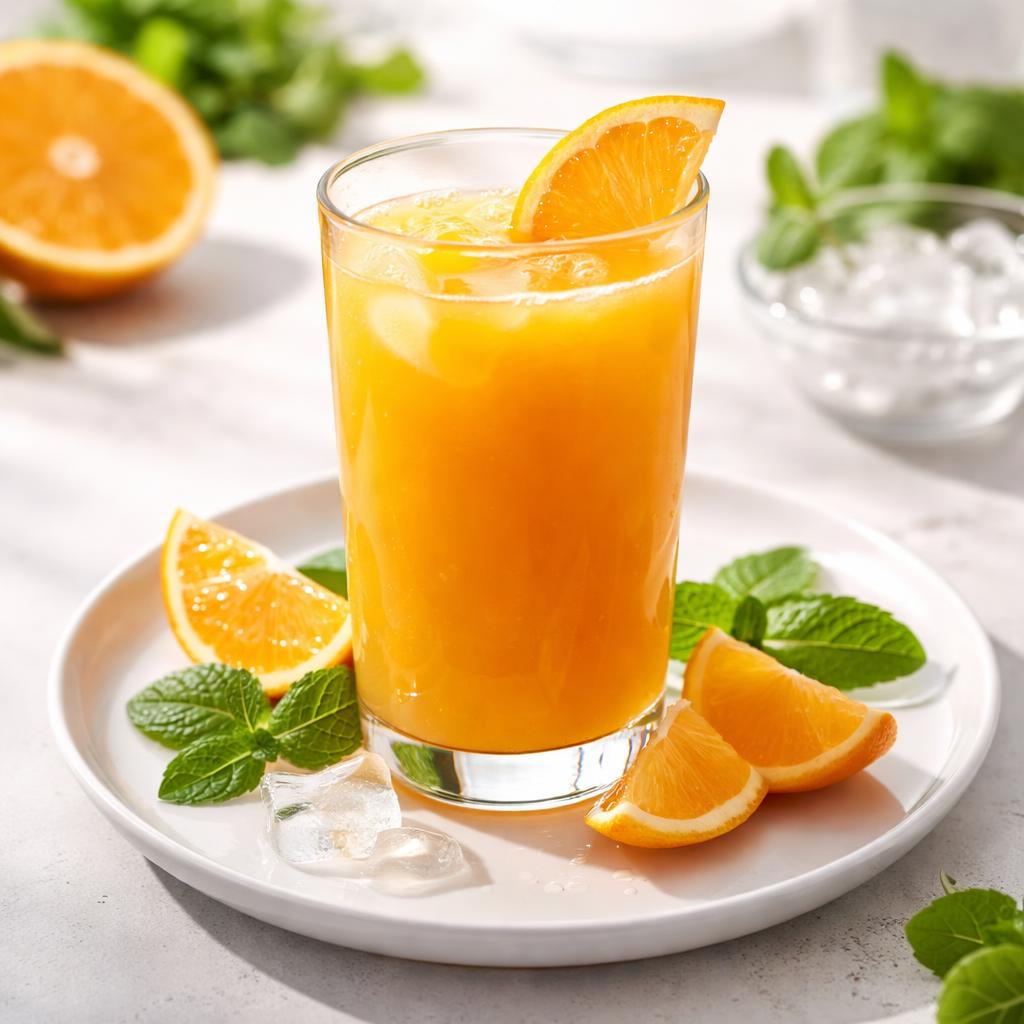
Juice
🎯 Quick Verdict
Salad significantly outperforms juice in terms of fiber, protein, and overall nutritional density while both have low calorie counts. Juice provides quick hydration and vitamins, but salad is more versatile and better for sustained energy and satiety in a meal context.

Smart Nutrition Tracking with SnapCalorie

📊 Nutritional Comparison
Macronutrients
| Nutrient | Food 1 | Food 2 | Winner |
|---|---|---|---|
| Calories | 120 | 120 | − |
| Protein | 5g | 0g | ✓ |
| Carbs | 12g | 25g | ✓ |
| Fat | 8g | 0g | ✓ |
| Fiber | 4g | 0.5g | ✓ |
Vitamins & Minerals
| Nutrient | Food 1 | Food 2 | Winner |
|---|---|---|---|
| Vitamin A | 450mcg | 300mcg | ✓ |
| Vitamin C | 20mg | 30mg | ✓ |
| Potassium | 400mg | 200mg | ✓ |
🏆 Category Winners
Protein
Salad has 5g of protein, while juice has none.
Fiber
Salad provides 4g of fiber whereas juice contains only 0.5g.
Calories
Both salad and juice have approximately 120 calories per serving.
Vitamins
Food1 excels in Vitamin A and Potassium while food2 has higher Vitamin C.
🥗 Diet Compatibility
Keto
Food 1: Compatible
Food 2: Not Compatible
Salad is low-carb with 12g per serving, while juice is higher-carb with 25g.
Vegan
Food 1: Compatible
Food 2: Compatible
Both are plant-based foods.
Gluten Free
Food 1: Compatible
Food 2: Compatible
Neither salad nor juice contains gluten.
Paleo
Food 1: Compatible
Food 2: Partially Compatible
Salad is fully paleo-friendly while juice may be excluded due to processing or added sugars.
Low Carb
Food 1: Compatible
Food 2: Not Compatible
Salad fits low-carb diets with only 12g of carbohydrates; juice is too high at 25g.
💪 Health Benefits Comparison
Food 1 Benefits
- High in fiber for digestion and gut health
- Provides protein for sustained energy and muscle health
- Rich in Vitamin A for vision and immune support
- Contains healthy fats for satiety and overall health
Food 2 Benefits
- High in Vitamin C for immune system and skin health
- Quick hydration and refreshment
- Easily absorbed nutrients for post-workout recovery
- Convenient source of antioxidants
✅ The Bottom Line
Choose salad when you need sustained energy, fiber, and protein, as it makes a great meal or healthy snack. Juice is better for quick hydration, a boost of Vitamin C, or as a light refreshment. Be cautious with juice if you're following a low-carb diet.
Choose Food 1 for: Meal replacement, weight management, gut health
Choose Food 2 for: Hydration, post-workout, quick antioxidant boost


