Salad VS French Fries
A detailed nutritional comparison
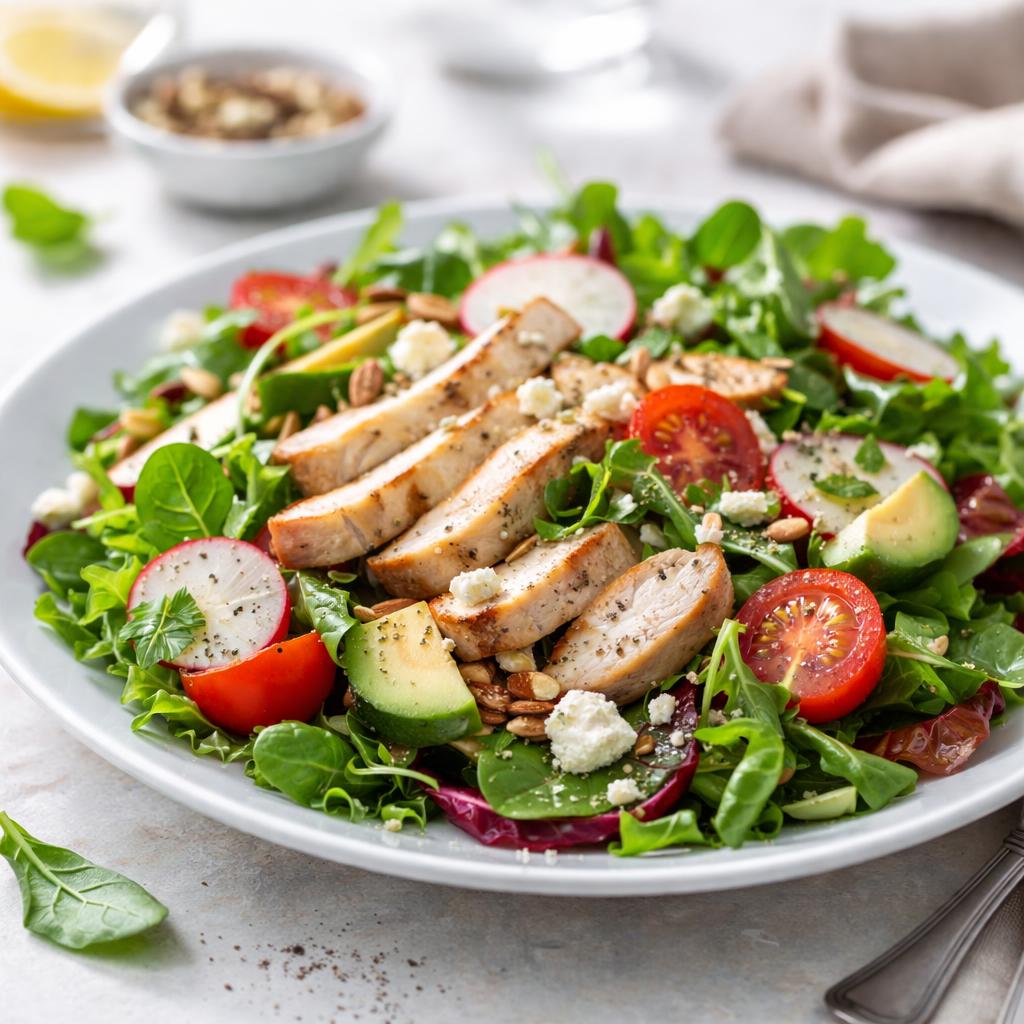
Salad
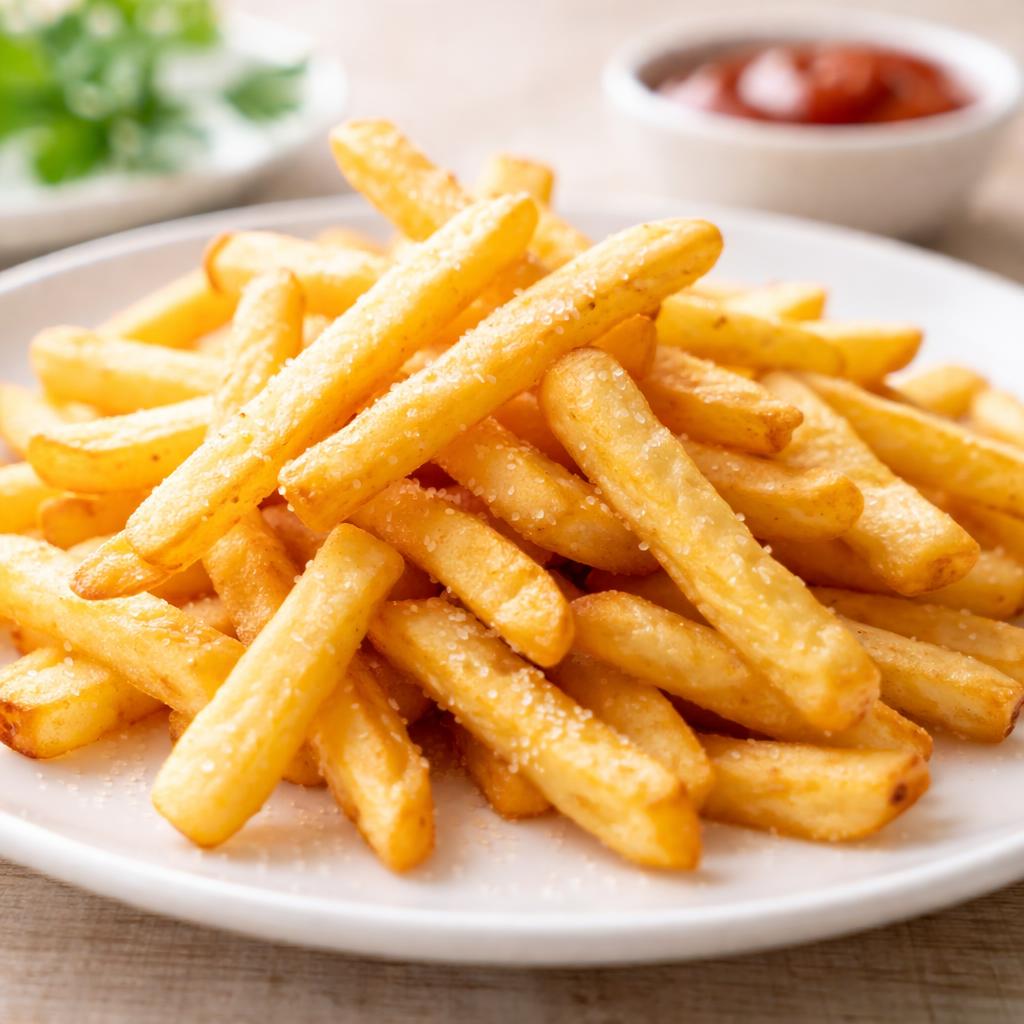
French Fries
🎯 Quick Verdict
Salad is a low-calorie, nutrient-dense food rich in fiber and vitamins, making it ideal for weight loss and overall health. French fries are higher in calories and fats, but can provide quick energy and are a comfort food option. The salad is better for nutrient-focused diets, while french fries are more suitable for occasional indulgence or high-energy needs.

Smart Nutrition Tracking with SnapCalorie

📊 Nutritional Comparison
Macronutrients
| Nutrient | Food 1 | Food 2 | Winner |
|---|---|---|---|
| Calories | 80 | 365 | ✓ |
| Protein | 3g | 3g | − |
| Carbs | 10g | 42g | ✓ |
| Fat | 3g | 17g | ✓ |
| Fiber | 2.7g | 2g | ✓ |
Vitamins & Minerals
| Nutrient | Food 1 | Food 2 | Winner |
|---|---|---|---|
| Vitamin C | 15mg | 9mg | ✓ |
| Vitamin A | 2000IU | 0IU | ✓ |
| Potassium | 300mg | 450mg | ✓ |
| Iron | 1.2mg | 0.6mg | ✓ |
🏆 Category Winners
Protein
Both salad and french fries offer similar protein content (3g each).
Fiber
Salad has 35% more fiber compared to french fries.
Calories
Salad has significantly fewer calories (80 vs 365).
Vitamins
Salad contains higher amounts of essential vitamins such as Vitamin C and A.
🥗 Diet Compatibility
Keto
Food 1: Compatible
Food 2: Not Compatible
Salad is low in carbs, while french fries are high in carbs.
Vegan
Food 1: Compatible
Food 2: Compatible
Both foods are plant-based and suitable for vegan diets.
Gluten Free
Food 1: Compatible
Food 2: Compatible
Neither food contains gluten.
Paleo
Food 1: Compatible
Food 2: Not Compatible
Salad aligns with paleo guidelines; french fries, being heavily processed, do not.
Low-Carb
Food 1: Compatible
Food 2: Not Compatible
Salad has fewer carbs (10g vs 42g).
💪 Health Benefits Comparison
Food 1 Benefits
- Rich in fiber for improved digestion
- High in vitamins C and A for immune support and eye health
- Low-calorie option suitable for weight management
- Contains antioxidants that help fight inflammation
Food 2 Benefits
- Good source of potassium for electrolyte balance
- Provides quick energy from carbohydrates
- Comfort food that can boost mood
- Source of healthy fats (depending on preparation) for energy and cell function
✅ The Bottom Line
Salad is the clear winner in terms of health benefits, offering low calories, high nutrients, and fiber. French fries, while energy-dense, should be reserved for occasional indulgence or as a quick fuel source. Choose the salad for weight management and overall wellness, and opt for french fries when you need comfort or energy in moderation.
Choose Food 1 for: Weight loss, nutrient-focused diets, healthy snacking
Choose Food 2 for: High-energy needs, comfort food, occasional treat


