Salad VS Burger
A detailed nutritional comparison
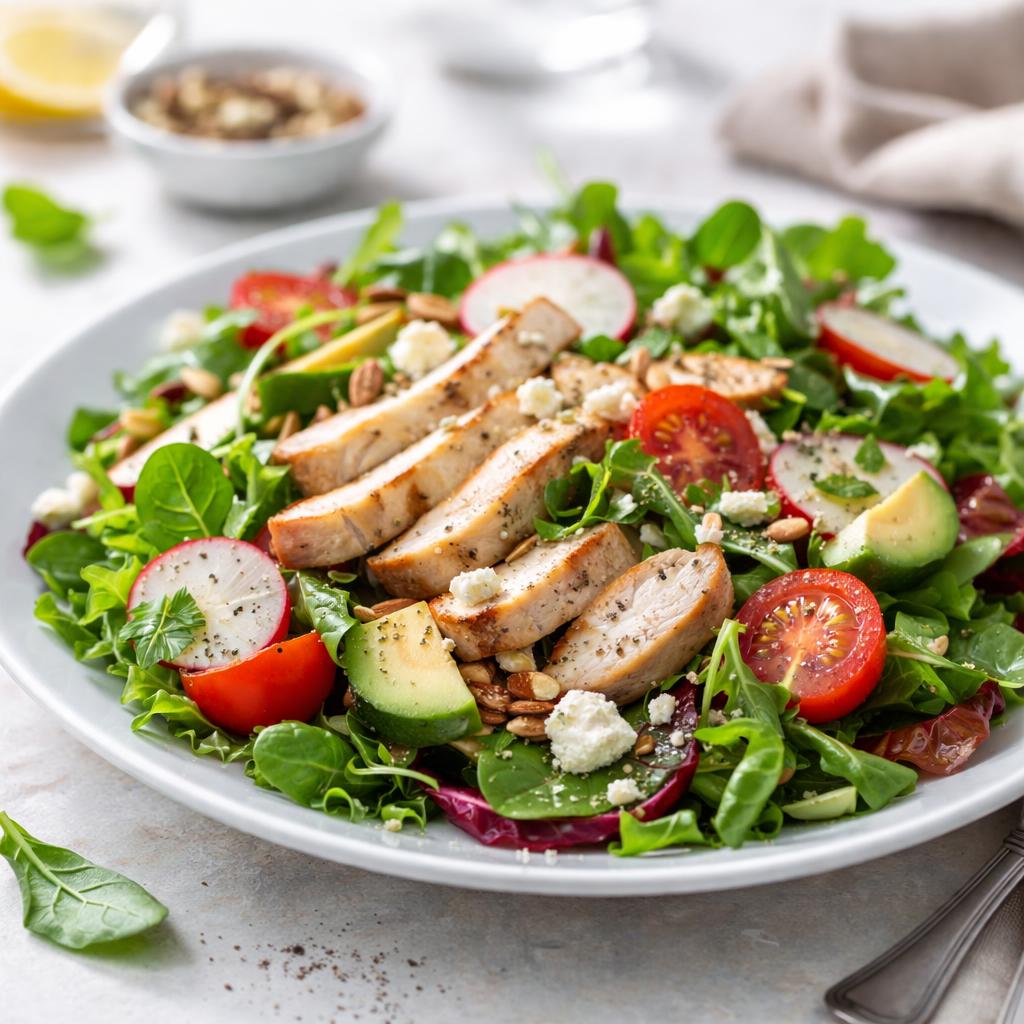
Salad
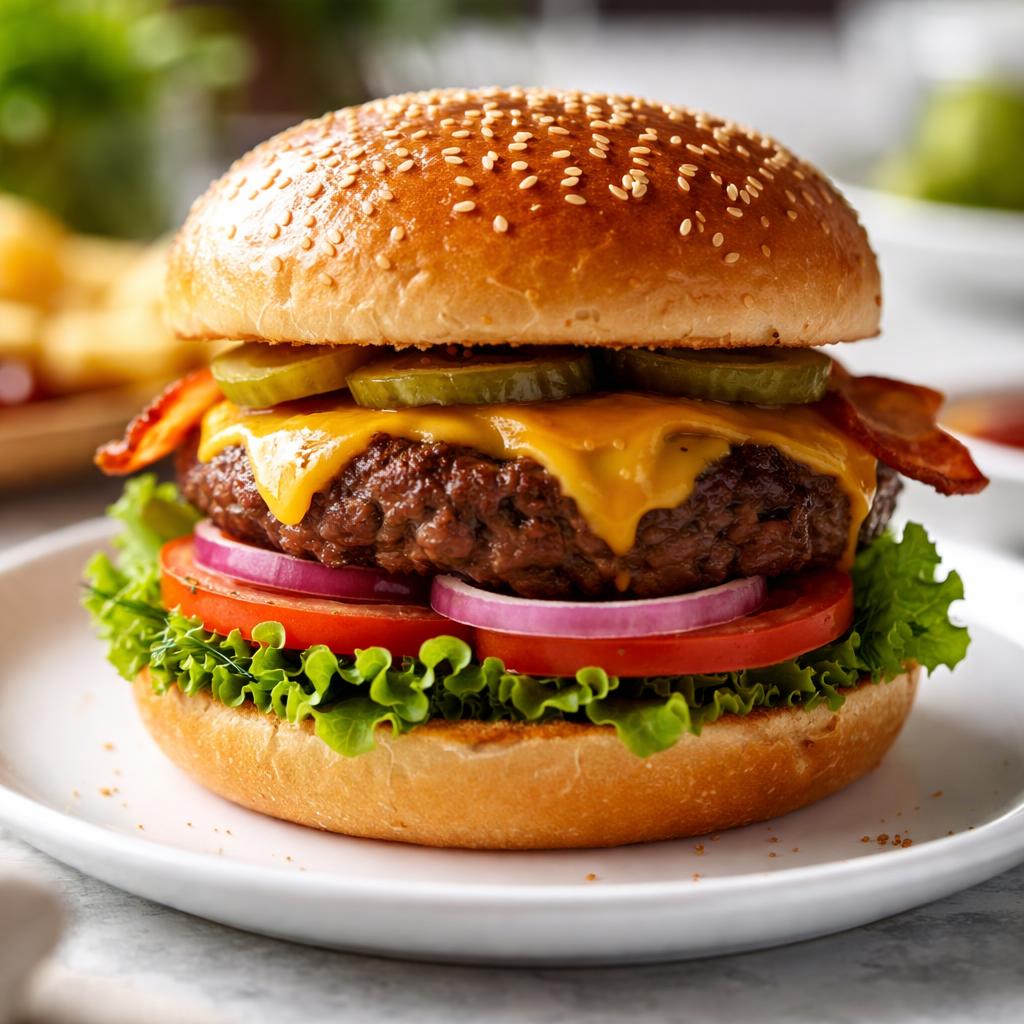
Burger
🎯 Quick Verdict
A salad is significantly lower in calories and fat compared to a burger, making it ideal for weight management. The burger provides more protein, making it better suited for muscle-building goals. The salad also delivers more fiber, beneficial for digestion. Both have distinct advantages and serve different dietary needs.

Smart Nutrition Tracking with SnapCalorie

📊 Nutritional Comparison
Macronutrients
| Nutrient | Food 1 | Food 2 | Winner |
|---|---|---|---|
| Calories | 150 | 500 | ✓ |
| Protein | 4g | 25g | ✓ |
| Carbs | 10g | 40g | ✓ |
| Fat | 8g | 30g | ✓ |
| Fiber | 5g | 2g | ✓ |
Vitamins & Minerals
| Nutrient | Food 1 | Food 2 | Winner |
|---|---|---|---|
| Vitamin C | 30mg | 4mg | ✓ |
| Potassium | 300mg | 250mg | ✓ |
| Iron | 1mg | 3mg | ✓ |
🏆 Category Winners
Protein
Food2 (burger) contains over 6x more protein per serving than Food1 (salad).
Fiber
Food1 provides more than double the fiber content of Food2, aiding digestion.
Calories
Food1 has 70% fewer calories, making it better for weight management.
🥗 Diet Compatibility
Keto
Food 1: Compatible
Food 2: Compatible
Both can fit into a keto diet depending on ingredient choices and portion sizes.
Vegan
Food 1: Compatible
Food 2: Not Compatible
Food1 is plant-based, while Food2 contains meat and animal products.
Gluten Free
Food 1: Compatible
Food 2: Partially Compatible
Food1 is naturally gluten-free, but Food2 depends on the bun's ingredients.
Paleo
Food 1: Compatible
Food 2: Partially Compatible
Food1 aligns with paleo guidelines, while Food2 may not due to processed ingredients in the bun or sauces.
Low-Carb
Food 1: Compatible
Food 2: Partially Compatible
Food1 is low in carbohydrates, whereas Food2's carb content largely depends on the bun and toppings.
💪 Health Benefits Comparison
Food 1 Benefits
- High in fiber for improved digestion
- Rich in Vitamin C for immune support
- Low-calorie option ideal for weight management
- Contains antioxidants promoting overall health
Food 2 Benefits
- High in protein for muscle maintenance and repair
- Provides iron for healthy blood production
- Contains fats that support satiety and energy
- Higher calorie content for sustained energy levels
✅ The Bottom Line
Choose the salad (Food1) for weight loss, digestion support, and a nutrient-dense, vegan option. Opt for the burger (Food2) when prioritizing high protein intake, muscle growth, or a higher energy meal. Each serves a specific dietary purpose.
Choose Food 1 for: Weight management, vegan diets, digestion, light meals
Choose Food 2 for: Muscle-building, higher-energy meals, satisfying hunger


