Salad VS Breakfast Burrito
A detailed nutritional comparison
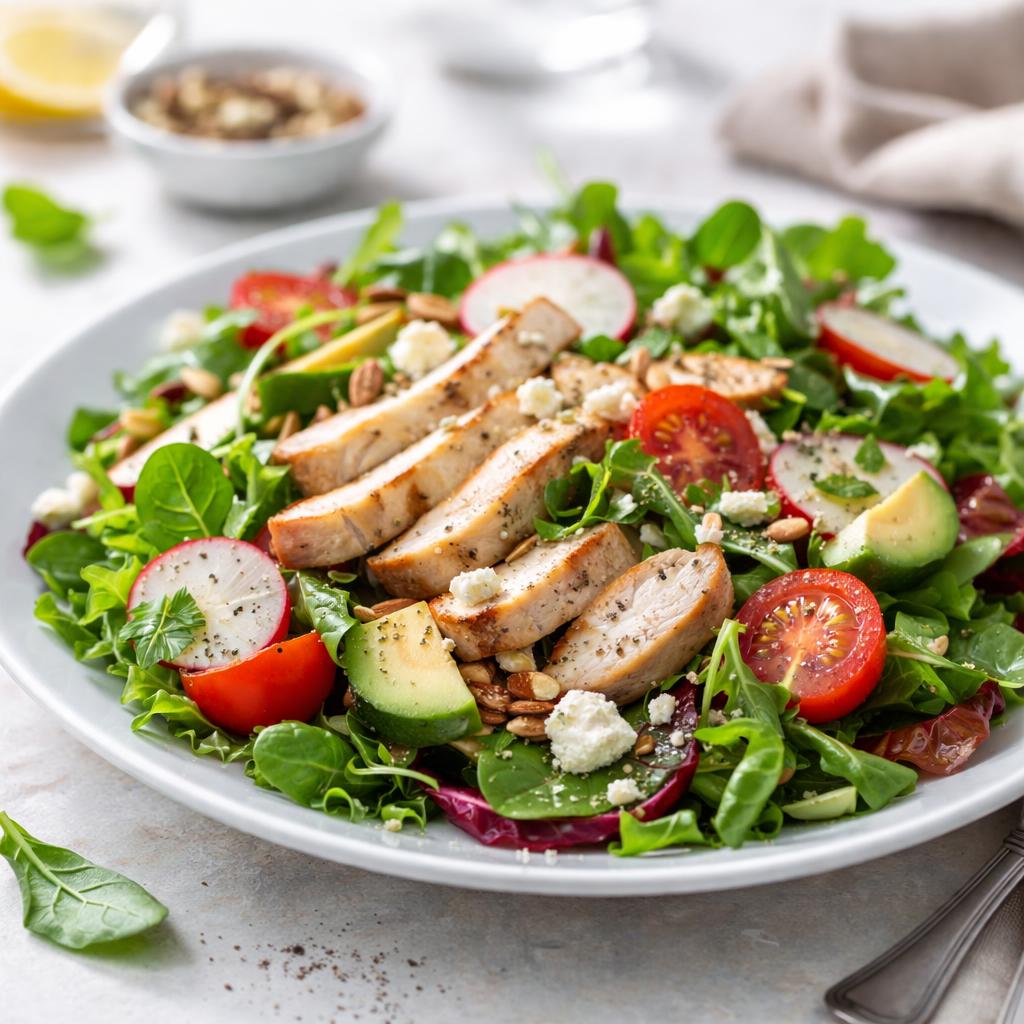
Salad
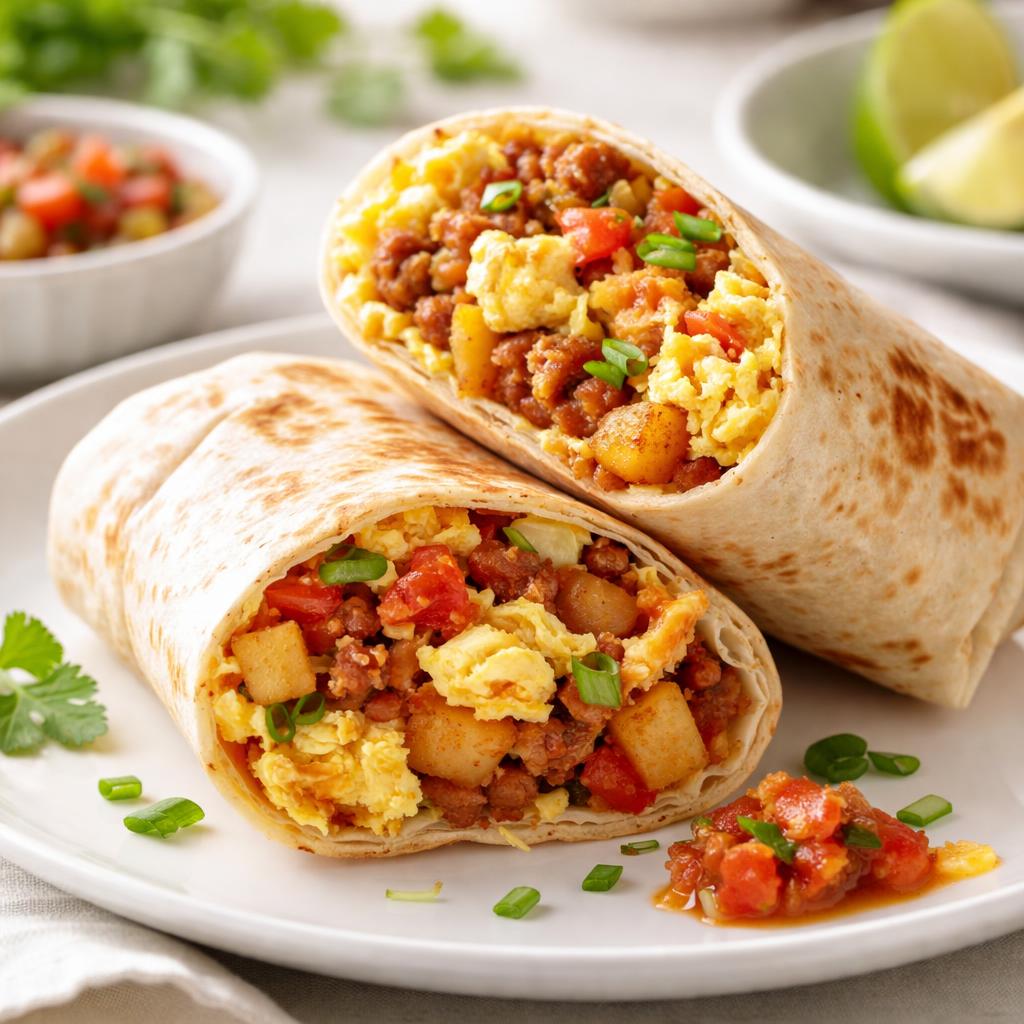
Breakfast Burrito
🎯 Quick Verdict
Salad is lower in calories, higher in fiber, and provides vitamins and minerals, making it a great choice for weight management and general health. Breakfast burrito is more calorie-dense and higher in protein, ideal for those needing a filling, energy-packed meal. Both options serve unique dietary purposes depending on individual goals.

Smart Nutrition Tracking with SnapCalorie

📊 Nutritional Comparison
Macronutrients
| Nutrient | Food 1 | Food 2 | Winner |
|---|---|---|---|
| Calories | 120 | 350 | ✓ |
| Protein | 5g | 15g | ✓ |
| Carbs | 10g | 35g | ✓ |
| Fat | 5g | 15g | ✓ |
| Fiber | 4g | 2g | ✓ |
Vitamins & Minerals
| Nutrient | Food 1 | Food 2 | Winner |
|---|---|---|---|
| Vitamin A | 1500IU | 800IU | ✓ |
| Vitamin C | 15mg | 3mg | ✓ |
| Calcium | 50mg | 100mg | ✓ |
| Iron | 1mg | 2mg | ✓ |
🏆 Category Winners
Protein
Breakfast burrito has three times more protein than salad.
Fiber
Salad provides double the fiber content per serving.
Calories
Salad contains 65% fewer calories than the breakfast burrito.
Vitamins
Salad offers significantly higher amounts of Vitamin A and Vitamin C.
🥗 Diet Compatibility
Keto
Food 1: Not Compatible
Food 2: Not Compatible
Both contain higher carb levels than typical keto allowances.
Vegan
Food 1: Compatible
Food 2: Not Compatible
Salad can easily be made vegan, while breakfast burritos often include eggs and cheese.
Gluten Free
Food 1: Compatible
Food 2: Potentially Compatible
Salad is naturally gluten-free, while breakfast burritos depend on tortilla type.
Paleo
Food 1: Compatible
Food 2: Not Compatible
Salad fits paleo diets if ingredients are unprocessed, breakfast burritos typically do not due to processed components.
Low-Carb
Food 1: Moderately Compatible
Food 2: Not Compatible
Salad is moderate in carbs (10g), while breakfast burrito is high-carb (35g).
💪 Health Benefits Comparison
Food 1 Benefits
- Low in calories, supporting weight management
- Rich in fiber for digestion and gut health
- Packed with Vitamin A for eye health
- Good source of Vitamin C for immune system support
Food 2 Benefits
- High in protein for muscle repair and building
- Energy-dense meal for active lifestyles
- Provides calcium for bone health
- Contains iron for better oxygen transport in the body
✅ The Bottom Line
Choose salad for light, nutrient-rich meals, suitable for weight management and general wellness. Opt for breakfast burrito if you need a filling, protein-packed meal to sustain energy and support active lifestyles.
Choose Food 1 for: Weight loss, light lunches, vegan and paleo diets
Choose Food 2 for: Post-workout meals, high-protein diets, energy-dense breakfast options


