Rigatoni Pasta VS Flat Bread
A detailed nutritional comparison
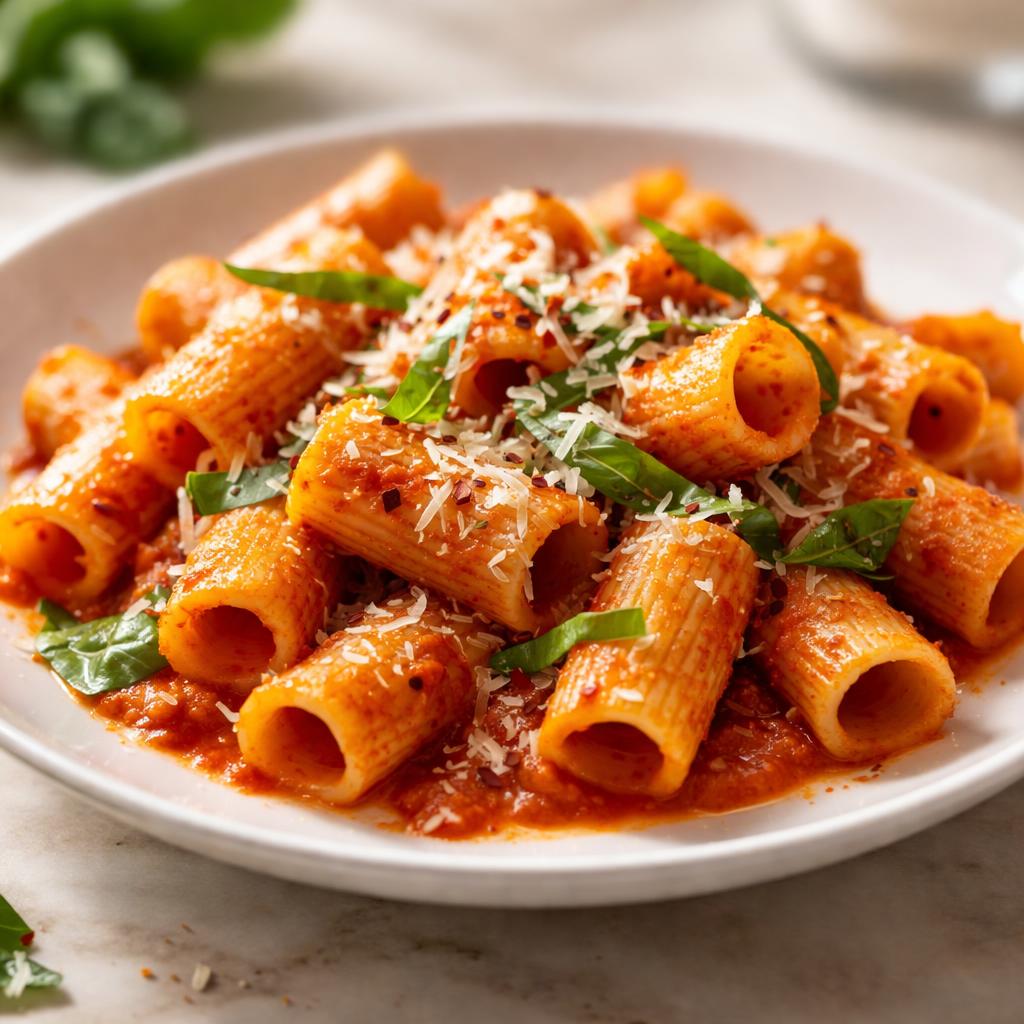
Rigatoni Pasta
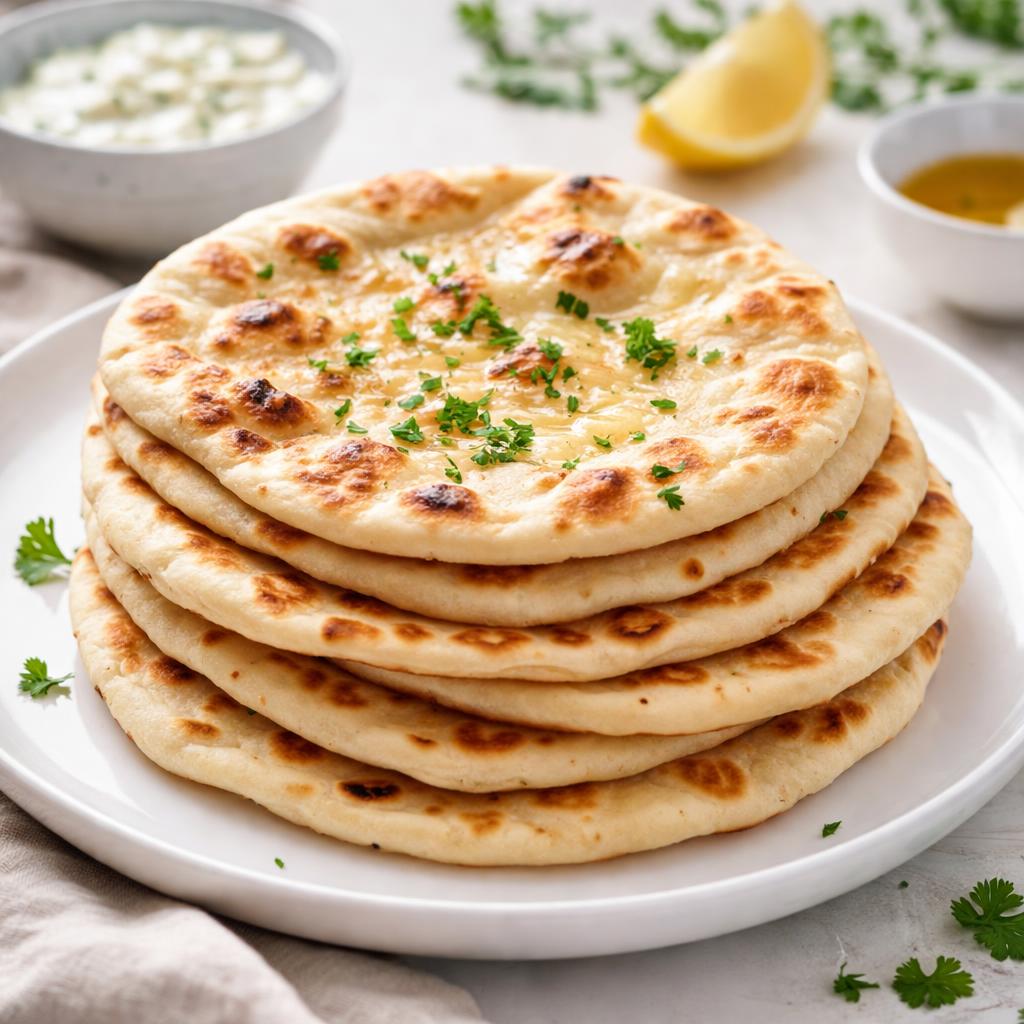
Flat Bread
🎯 Quick Verdict
Rigatoni pasta and flat bread differ significantly in their nutritional profiles. Pasta is lower in calories and fat while being higher in fiber and carbohydrates, making it suitable for energy needs and digestion. Flat bread, on the other hand, provides more protein per serving and contains healthy fats, which may benefit those seeking a nutrient-dense option for heart health and muscle maintenance.

Smart Nutrition Tracking with SnapCalorie

📊 Nutritional Comparison
Macronutrients
| Nutrient | Food 1 | Food 2 | Winner |
|---|---|---|---|
| Calories | 220 calories (per 1 cup cooked) | 270 calories (per 1 flat bread) | ✓ |
| Protein | 8g | 9g | ✓ |
| Carbs | 43g | 35g | ✓ |
| Fat | 1.3g | 6g | ✓ |
| Fiber | 2.5g | 1.8g | ✓ |
Vitamins & Minerals
| Nutrient | Food 1 | Food 2 | Winner |
|---|---|---|---|
| Vitamin B6 | 0.2mg | 0.1mg | ✓ |
| Iron | 1.6mg | 1.8mg | ✓ |
| Magnesium | 27mg | 25mg | ✓ |
🏆 Category Winners
Protein
Flat bread provides slightly more protein, important for muscle maintenance.
Fiber
Rigatoni pasta offers more fiber, aiding digestion.
Calories
Pasta is 18% lower in calories per serving.
Vitamins
Both foods contain similar levels of key vitamins like iron and magnesium.
🥗 Diet Compatibility
Keto
Food 1: Not Compatible
Food 2: Not Compatible
Both foods are high in carbohydrates.
Vegan
Food 1: Compatible
Food 2: Compatible
Both are plant-based and free from animal products.
Gluten Free
Food 1: Not Compatible
Food 2: Not Compatible
Both contain gluten unless made with gluten-free alternatives.
Paleo
Food 1: Not Compatible
Food 2: Not Compatible
Neither conforms to paleo guidelines which avoid grains and refined carbohydrates.
Low-Carb
Food 1: Not Compatible
Food 2: Not Compatible
Both foods are relatively high in carbohydrates.
💪 Health Benefits Comparison
Food 1 Benefits
- Good source of energy due to high carbohydrate content
- Provides fiber for a healthy digestive system
- Low in fat, suitable for weight management
Food 2 Benefits
- Higher protein content supports muscle repair and growth
- Contains healthy fats that benefit heart health
- Provides a compact, filling option for meals or snacks
✅ The Bottom Line
Rigatoni pasta is a great choice if you need a lower-calorie, fiber-rich energy source, making it ideal for active lifestyles and weight management. Flat bread, however, is a better option for those looking to increase protein and healthy fat intake, supporting muscle and heart health.
Choose Food 1 for: Weight management, digestion, high-carb energy meals
Choose Food 2 for: Protein-rich diets, heart health, compact meal options


