Rice VS Whole Bread
A detailed nutritional comparison
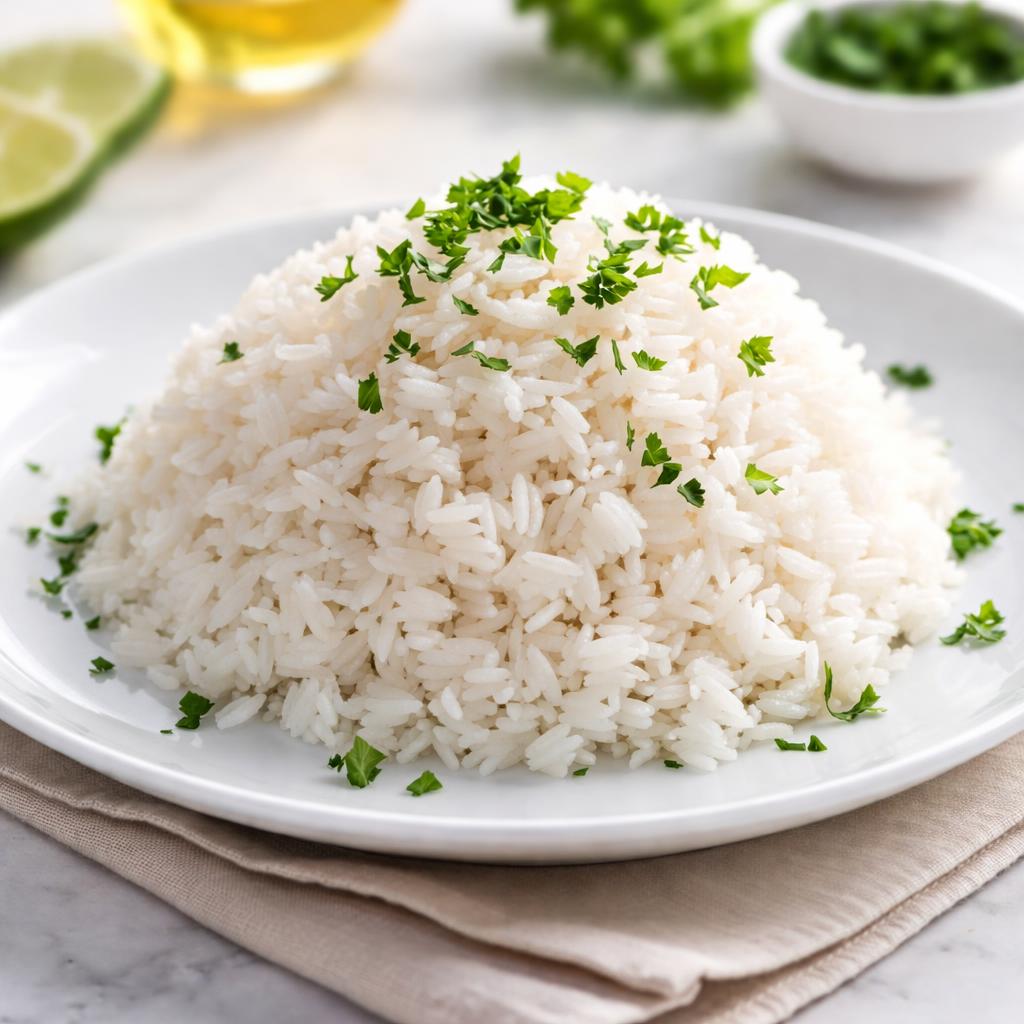
Rice
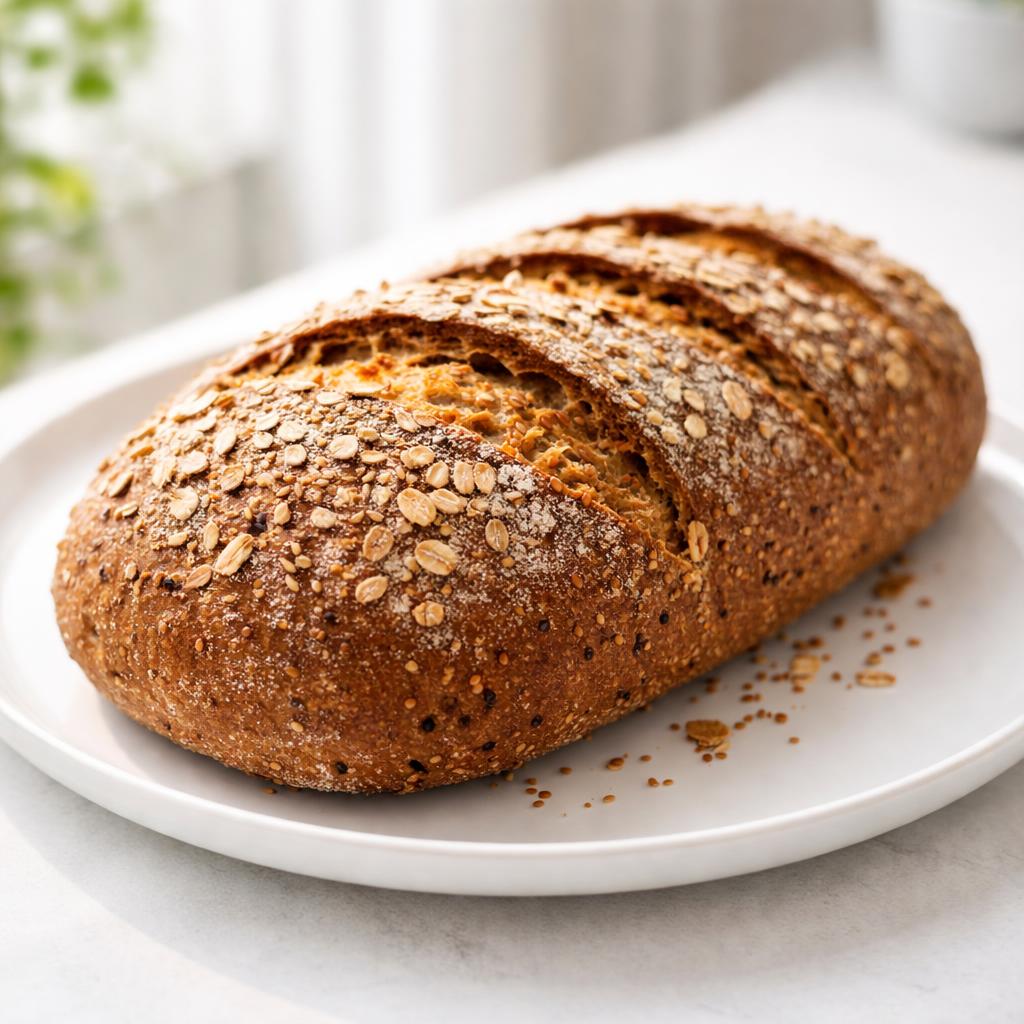
Whole Bread
🎯 Quick Verdict
Whole bread is more nutrient-dense than rice, offering significantly higher protein, fiber, and micronutrients such as iron and calcium. Rice, on the other hand, is lower in calories and generally easier to digest. Whole bread is better for heart health and energy, while rice is excellent for low-carb or light meals.

Smart Nutrition Tracking with SnapCalorie

📊 Nutritional Comparison
Macronutrients
| Nutrient | Food 1 | Food 2 | Winner |
|---|---|---|---|
| Calories | 130 per 100g | 250 per 100g | ✓ |
| Protein | 2.7g per 100g | 9.0g per 100g | ✓ |
| Carbs | 28g per 100g | 43g per 100g | ✓ |
| Fat | 0.3g per 100g | 3.5g per 100g | ✓ |
| Fiber | 0.4g per 100g | 4.0g per 100g | ✓ |
Vitamins & Minerals
| Nutrient | Food 1 | Food 2 | Winner |
|---|---|---|---|
| Vitamin D | Not significant | Not significant | − |
| Calcium | 10mg per 100g | 40mg per 100g | ✓ |
| Iron | 0.2mg per 100g | 2.5mg per 100g | ✓ |
🏆 Category Winners
Protein
Whole bread contains 3x more protein compared to rice.
Fiber
Whole bread has 10x more fiber than rice.
Calories
Rice has 48% fewer calories per 100g than whole bread.
🥗 Diet Compatibility
Keto
Food 1: Not Compatible
Food 2: Not Compatible
Both are high-carb and not suitable for keto diets.
Vegan
Food 1: Compatible
Food 2: Compatible
Both are plant-based and vegan-friendly.
Gluten Free
Food 1: Compatible
Food 2: Not Compatible
Rice is gluten-free, whereas whole bread contains gluten.
Paleo
Food 1: Compatible
Food 2: Not Compatible
Rice aligns with the paleo diet; whole bread does not due to its processed nature.
Low-Carb
Food 1: Not Compatible
Food 2: Not Compatible
Both foods are high in carbohydrates and unsuitable for strict low-carb diets.
💪 Health Benefits Comparison
Food 1 Benefits
- Low-calorie option for light meals
- Easy to digest, suitable for sensitive stomachs
- Naturally gluten-free for celiac diets
Food 2 Benefits
- Rich in protein for muscle repair and growth
- High in fiber to promote digestive health
- Contains iron and calcium for bone strength and oxygen transport
✅ The Bottom Line
Rice and whole bread both serve unique purposes when choosing foods. Rice is excellent for lower-calorie and gluten-free meals, while whole bread is a nutrient-dense, fiber-rich choice suitable for more energy-demanding lifestyles. Pair them strategically based on your dietary needs.
Choose Food 1 for: Light meals, gluten-free diets, lower calorie intake
Choose Food 2 for: High-energy meals, muscle building, better digestion and heart health


