Rice VS Whey Protein Shake
A detailed nutritional comparison
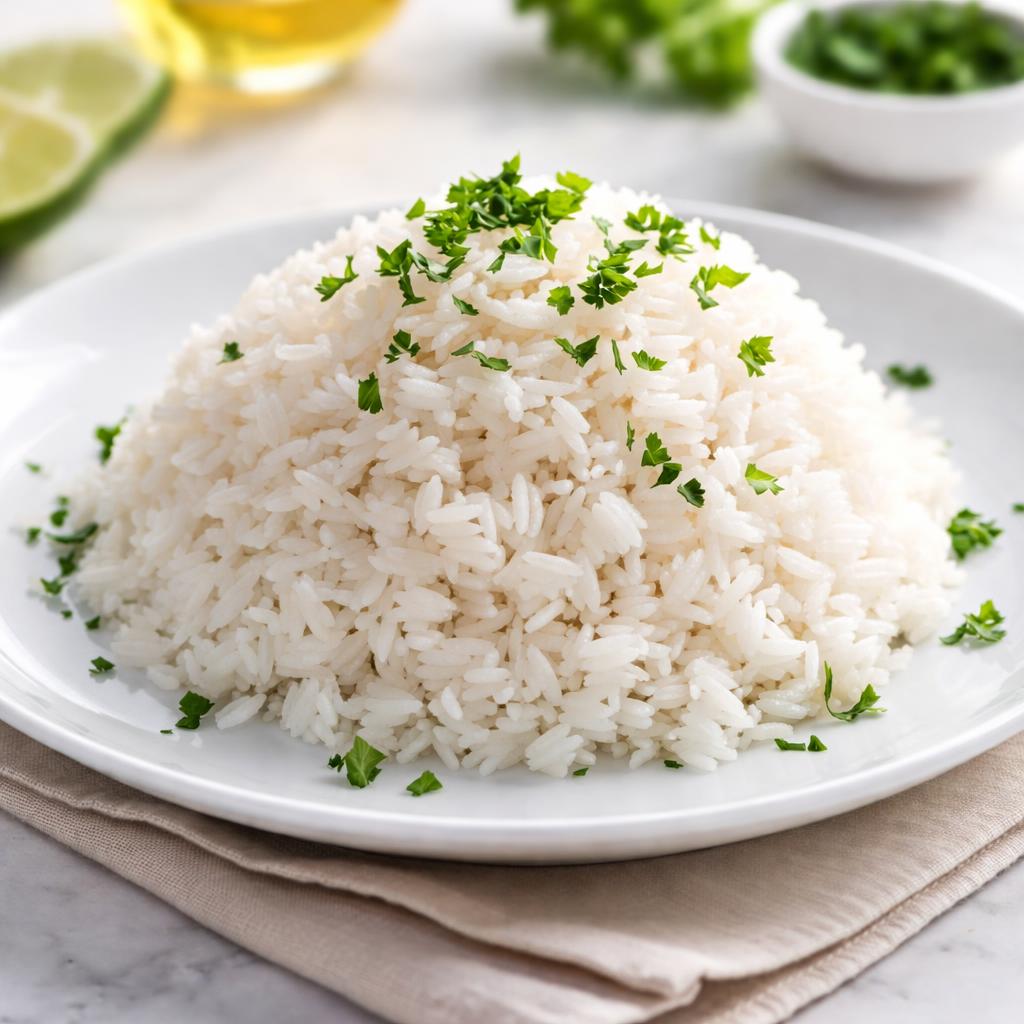
Rice
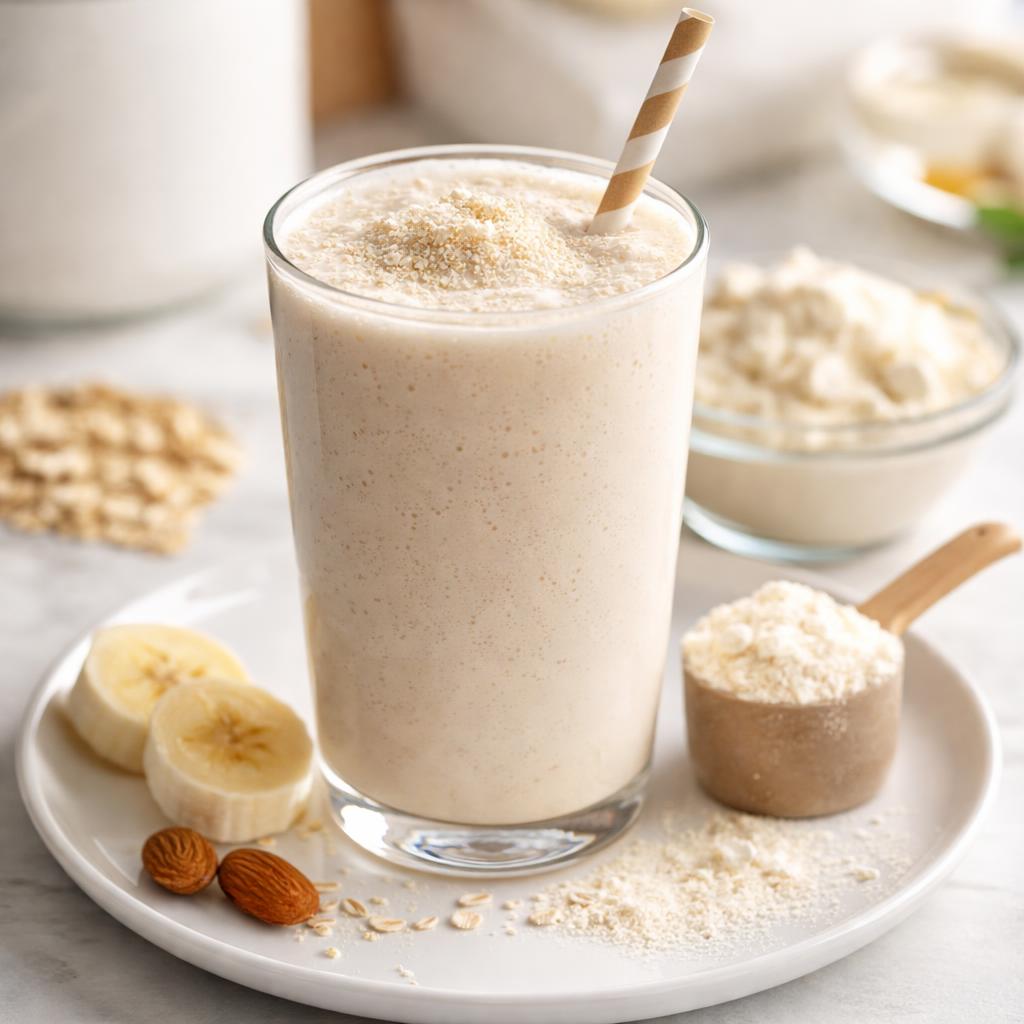
Whey Protein Shake
🎯 Quick Verdict
Rice is a carbohydrate-rich staple, offering modest protein and fiber, ideal for energy and satiety. Whey protein shake excels in protein content and low calories, making it a convenient option for muscle repair and maintenance post-exercise. The choice depends on goals: energy vs. protein-focused diets.

Smart Nutrition Tracking with SnapCalorie

📊 Nutritional Comparison
Macronutrients
| Nutrient | Food 1 | Food 2 | Winner |
|---|---|---|---|
| Calories | 206 (1 cup cooked) | 120 (1 scoop with water) | ✓ |
| Protein | 4.3g | 25g | ✓ |
| Carbs | 44.8g | 3g | ✓ |
| Fat | 0.4g | 1.5g | ✓ |
| Fiber | 0.6g | 0g | ✓ |
Vitamins & Minerals
| Nutrient | Food 1 | Food 2 | Winner |
|---|---|---|---|
| Vitamin D | 0mcg | 5mcg (typical fortified brands) | ✓ |
| Calcium | 20mg | 100mg (depending on brand) | ✓ |
| Iron | 0.2mg | 0.5mg | ✓ |
🏆 Category Winners
Protein
Whey protein shake offers over 5 times more protein per serving than rice.
Fiber
Rice contains moderate fiber content, while whey protein shake has none.
Calories
Whey protein shake offers 40% fewer calories than rice per serving.
Vitamins
Fortified whey protein shakes can provide more vitamin D and calcium than rice.
🥗 Diet Compatibility
Keto
Food 1: Not Compatible
Food 2: Compatible
Rice is high in carbs, whereas whey protein shake has minimal carbs (3g per serving).
Vegan
Food 1: Compatible
Food 2: Not Compatible
Rice is plant-based; whey protein comes from milk.
Gluten Free
Food 1: Compatible
Food 2: Compatible
Neither food contains gluten.
Paleo
Food 1: Compatible
Food 2: Not Compatible
Rice fits paleo defined as whole foods; whey protein is a processed product.
Low-Carb
Food 1: Not Compatible
Food 2: Compatible
Rice is high-carb, while whey protein shake is low-carb.
💪 Health Benefits Comparison
Food 1 Benefits
- Provides sustained energy from complex carbohydrates
- Contains trace minerals like manganese and selenium
- Suitable for gluten-free diets
- Easily digestible grain for quick energy
Food 2 Benefits
- High protein content aids in muscle repair and growth
- Low in calories, supporting weight loss goals
- Fortified options may provide vitamin D and calcium for bone health
- Convenient and quick preparation for busy lifestyles
✅ The Bottom Line
Rice is a versatile energy source for those needing higher carbs and trace minerals, while whey protein shake is superior for muscle maintenance, weight loss, and low-carb diets. Consider your activity level and dietary goals when choosing between these foods.
Choose Food 1 for: Energy source, gluten-free diets, post-meal carb requirements
Choose Food 2 for: Muscle repair, weight loss, low-carb diets


