Rice VS Watermelon Juice
A detailed nutritional comparison
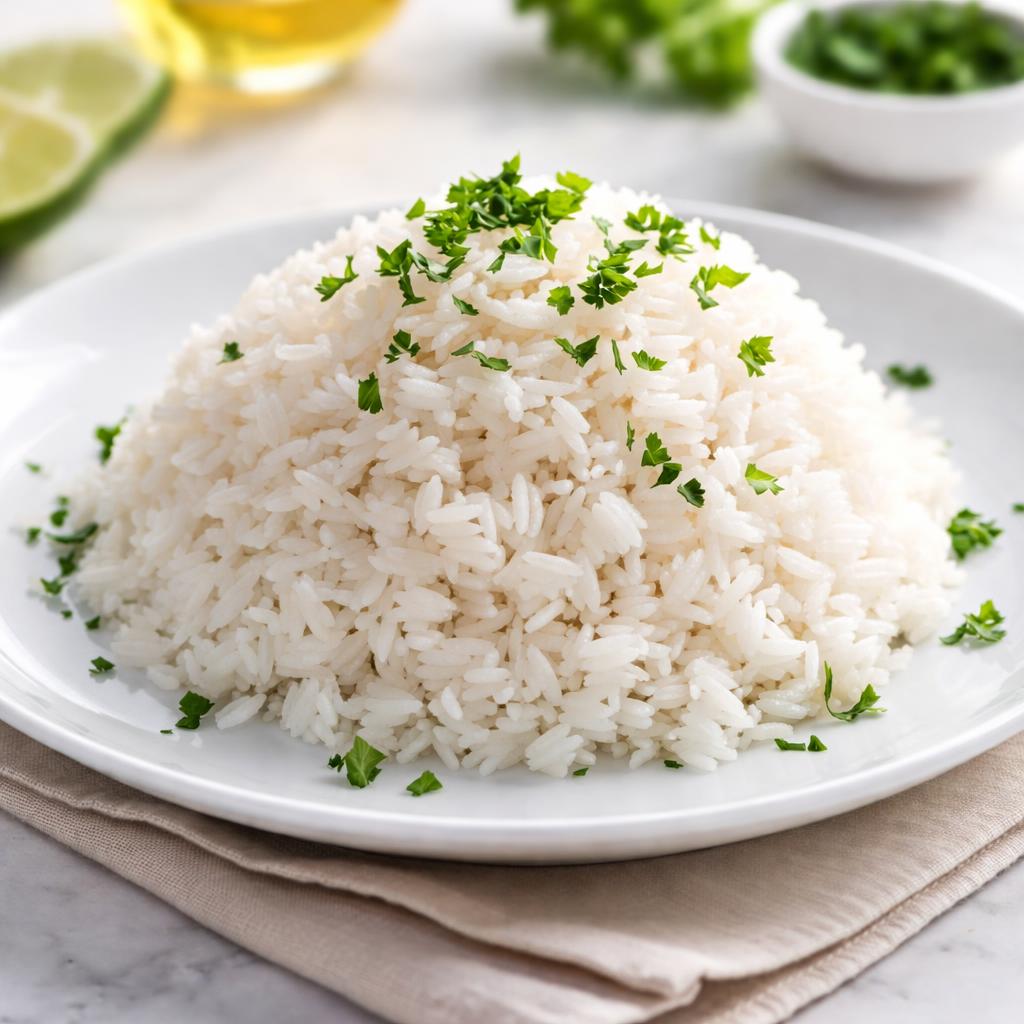
Rice
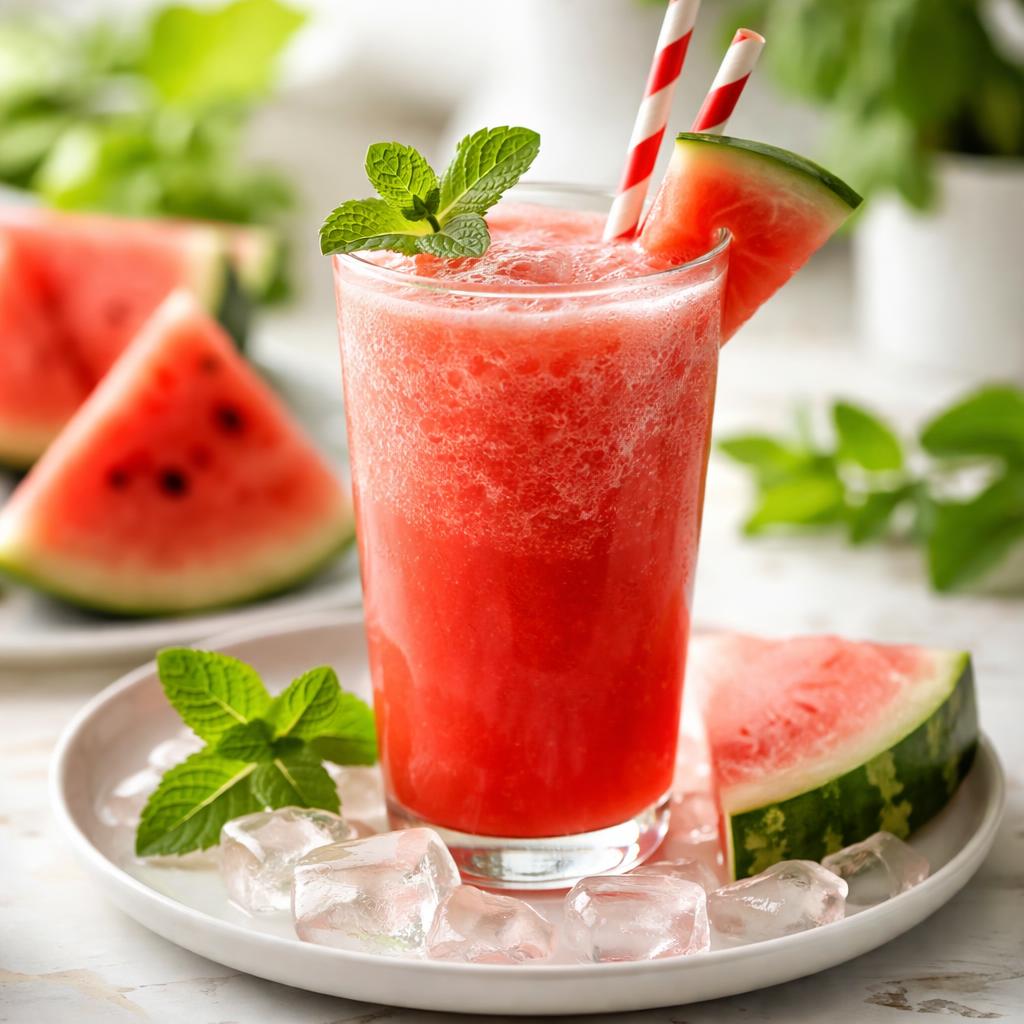
Watermelon Juice
🎯 Quick Verdict
Rice and watermelon juice fulfill different dietary niches. Rice is higher in protein, fiber, and calories, making it a better energy-dense choice for meals, while watermelon juice is lower in calories and provides hydration and antioxidants. Choose rice for sustained energy and watermelon juice for a refreshing, low-calorie beverage rich in hydration properties.

Smart Nutrition Tracking with SnapCalorie

📊 Nutritional Comparison
Macronutrients
| Nutrient | Food 1 | Food 2 | Winner |
|---|---|---|---|
| Calories | 206 calories (per 1 cup cooked) | 70 calories (per 1 cup) | − |
| Protein | 4.5g | 1g | − |
| Carbs | 45g | 17g | − |
| Fat | 0.4g | 0g | − |
| Fiber | 0.6g | 0g | − |
Vitamins & Minerals
| Nutrient | Food 1 | Food 2 | Winner |
|---|---|---|---|
| Vitamin A | 0mcg | 865mcg | − |
| Vitamin C | 0mg | 12mg | − |
| Calcium | 16mg | 20mg | − |
| Iron | 0.7mg | 0.2mg | − |
🏆 Category Winners
Protein
Rice contains more than four times the protein of watermelon juice.
Fiber
Rice has 0.6g of fiber, while watermelon juice contains none.
Calories
Watermelon juice has fewer calories, making it better for low-calorie diets.
Vitamins
Watermelon juice is superior in Vitamin A, C, and calcium content compared to rice.
🥗 Diet Compatibility
Keto
Food 1: Not Compatible
Food 2: Not Compatible
Both are high in carbs and not suitable for keto diets.
Vegan
Food 1: Compatible
Food 2: Compatible
Both are plant-based and fit vegan diets.
Gluten Free
Food 1: Compatible
Food 2: Compatible
Neither contains gluten.
Paleo
Food 1: Compatible
Food 2: Compatible
Both fit paleo diets based on natural whole-food principles.
Low-Carb
Food 1: Not Compatible
Food 2: Compatible
Watermelon juice has lower carbs overall compared to rice.
💪 Health Benefits Comparison
Food 1 Benefits
- Provides energy due to high carbohydrate content
- Contains protein for muscle maintenance
- Low fat content for a lighter option
Food 2 Benefits
- Hydrates the body with high water content
- Rich in Vitamin A for eye health
- Boosts immunity with Vitamin C antioxidants
✅ The Bottom Line
Both rice and watermelon juice offer distinct benefits depending on your diet needs. Choose rice for energy, protein, and fiber; ideal for meals that support physical activity or recovery. Pick watermelon juice for a cooling, low-calorie drink high in vitamins ideal for hydration and refreshing summer days.
Choose Food 1 for: Energy boost, recovery meals, complex carbs for sustained activity
Choose Food 2 for: Hydration, low-calorie beverages, rich in antioxidants and vitamins


