Rice VS Waffles
A detailed nutritional comparison
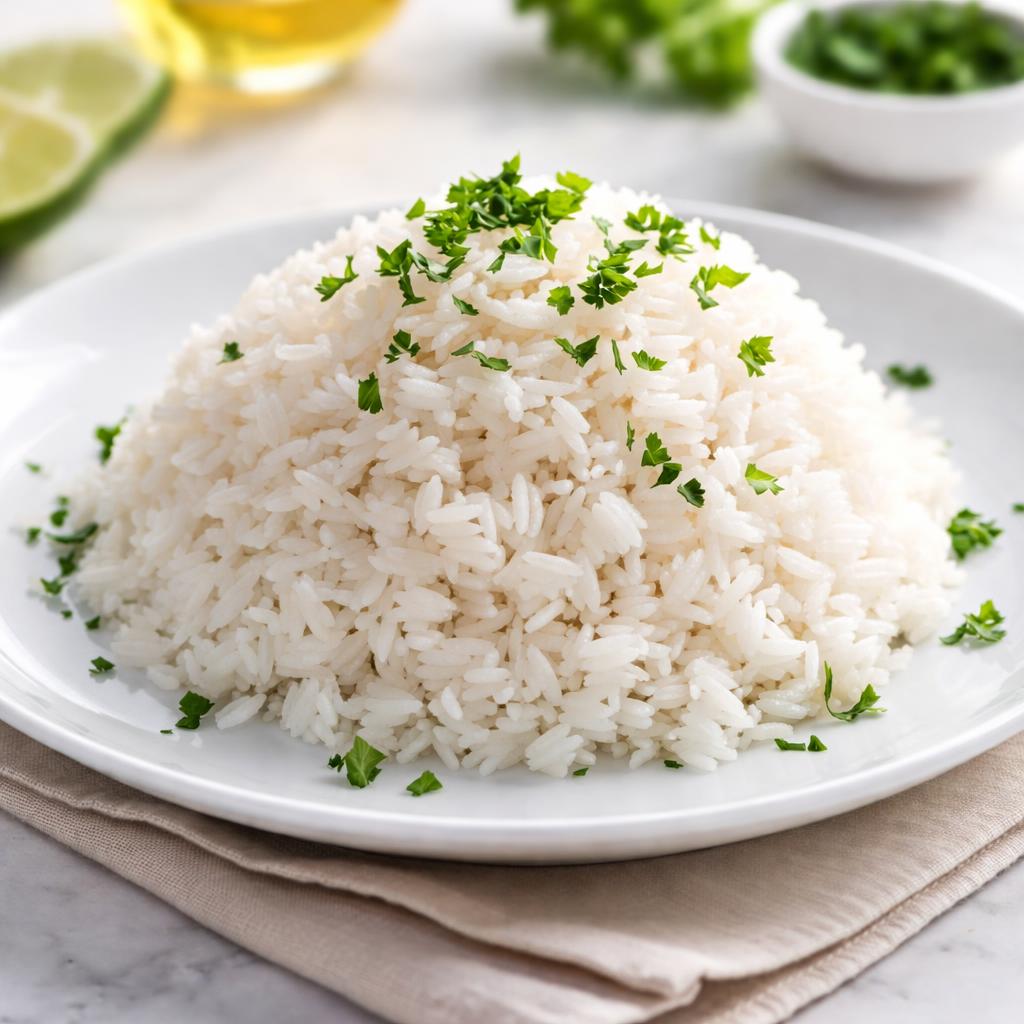
Rice

Waffles
🎯 Quick Verdict
Rice and waffles serve different dietary purposes. Rice is lower in calories and has more fiber, making it suitable for weight-conscious and digestion-focused diets. Waffles offer higher protein and fat content, which may suit individuals looking for more energy and sustenance in meals. Both are versatile but cater to unique dietary needs depending on context—rice excels as a low-calorie staple, while waffles are better for energy-rich breakfasts or snacks.

Smart Nutrition Tracking with SnapCalorie

📊 Nutritional Comparison
Macronutrients
| Nutrient | Food 1 | Food 2 | Winner |
|---|---|---|---|
| Calories | 130 calories (1 cup cooked) | 220 calories (1 waffle) | ✓ |
| Protein | 2.7g | 5g | ✓ |
| Carbs | 28g | 25g | ✓ |
| Fat | 0.3g | 10g | ✓ |
| Fiber | 0.4g | 0.2g | ✓ |
Vitamins & Minerals
| Nutrient | Food 1 | Food 2 | Winner |
|---|---|---|---|
| Vitamin D | 0mcg | 2mcg | ✓ |
| Calcium | 10mg | 150mg | ✓ |
| Iron | 1mg | 1.5mg | ✓ |
🏆 Category Winners
Protein
Waffles offer nearly double the protein compared to cooked rice.
Fiber
Rice contains more fiber per serving, aiding digestion.
Calories
Rice is significantly lower in calories than waffles, making it better for weight management.
Vitamins
Waffles are fortified with key vitamins like calcium and vitamin D, whereas rice is a minimal source for these nutrients.
🥗 Diet Compatibility
Keto
Food 1: Not Compatible
Food 2: Not Compatible
Both rice and waffles are too high in carbohydrates for a keto diet.
Vegan
Food 1: Compatible
Food 2: Conditionally Compatible
Rice is naturally vegan, while waffles may contain eggs or dairy unless specifically crafted as vegan.
Gluten Free
Food 1: Compatible
Food 2: Not Compatible
Rice is naturally gluten-free; waffles typically contain wheat flour unless explicitly made gluten-free.
Paleo
Food 1: Not Compatible
Food 2: Not Compatible
Neither food fits paleo guidelines, as rice is grain-based, and waffles rely on processed ingredients.
Low-Carb
Food 1: Not Compatible
Food 2: Not Compatible
Both have high carbohydrate content (25–28g per serving).
💪 Health Benefits Comparison
Food 1 Benefits
- Low in calories, ideal for weight management
- Provides quick, easily digestible energy
- Versatile as a base for balanced meals
Food 2 Benefits
- Higher protein content supports muscle repair
- Fortified with vitamin D and calcium for bone health
- Energy-dense, making it suitable for active individuals
✅ The Bottom Line
Choose rice for meal bases that are low-calorie and easy to digest, particularly if you're looking to manage weight or avoid excess fat. Waffles shine for energy-rich meals or snacks thanks to their higher protein and fat content, but they may require consideration of additional ingredients like sugar or being fortified for better nutrient density.
Choose Food 1 for: Low-calorie diets, balanced meal bases, gluten-free needs
Choose Food 2 for: Higher-protein breakfasts, energy boosts, calcium and vitamin D supplementation


