Rice VS Tomatoes
A detailed nutritional comparison
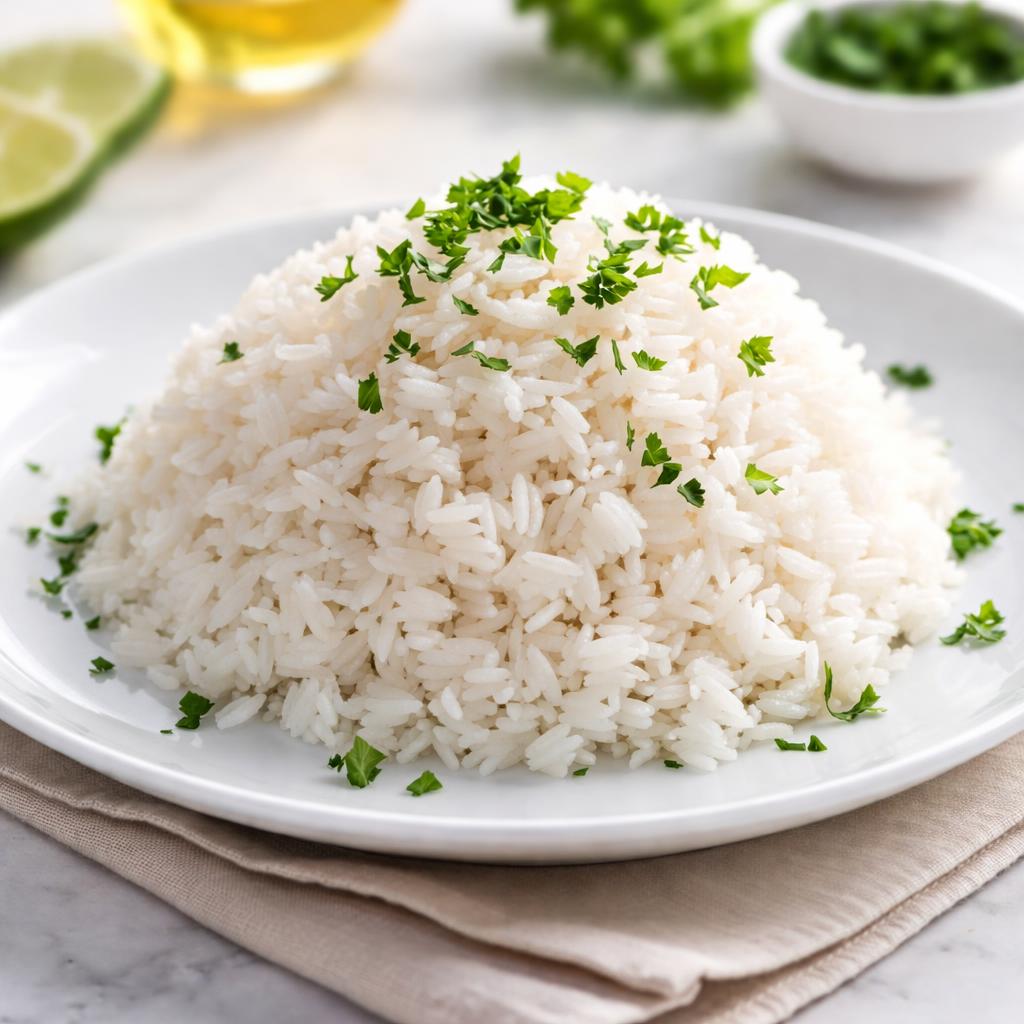
Rice
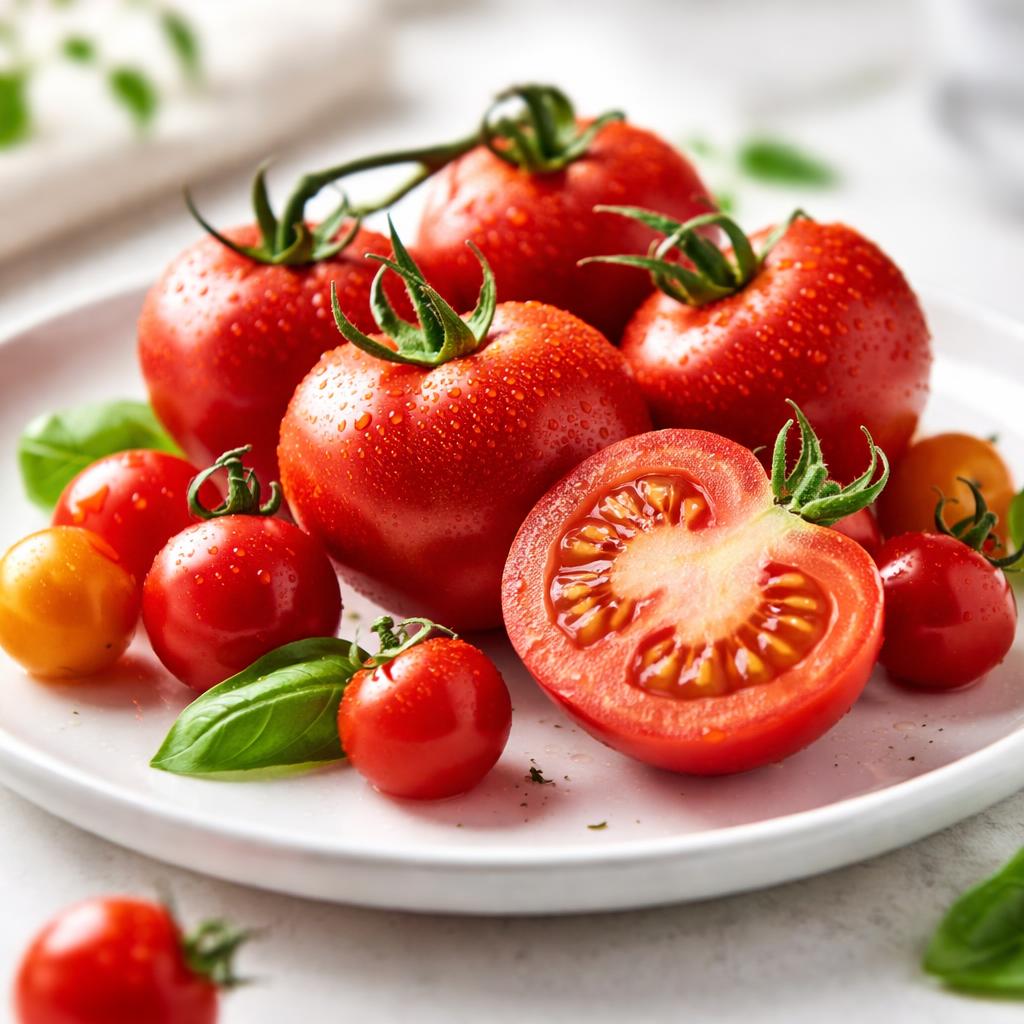
Tomatoes
🎯 Quick Verdict
Rice is a calorie-dense and energy-rich food, ideal for fueling workouts and providing sustained energy for physical activities. Tomatoes, on the other hand, are low-calorie, nutrient-dense, and rich in fiber, ideal for weight management and micronutrient intake. The choice between the two depends on whether you are looking for energy or nutrient density in your meals.

Smart Nutrition Tracking with SnapCalorie

📊 Nutritional Comparison
Macronutrients
| Nutrient | Food 1 | Food 2 | Winner |
|---|---|---|---|
| Calories | 130 (per 100g cooked) | 18 (per 100g raw) | − |
| Protein | 2.7g | 0.9g | − |
| Carbs | 28g | 3.9g | − |
| Fat | 0.3g | 0.2g | − |
| Fiber | 0.4g | 1.2g | − |
Vitamins & Minerals
| Nutrient | Food 1 | Food 2 | Winner |
|---|---|---|---|
| Vitamin C | 0mg | 23mg | − |
| Vitamin A | 0μg | 833μg | − |
| Potassium | 35mg | 237mg | − |
🏆 Category Winners
Protein
Rice provides 3x more protein per serving compared to tomatoes.
Fiber
Tomatoes offer 3x more dietary fiber, supporting digestion.
Calories
Tomatoes are extremely low-calorie, making them ideal for weight management.
Vitamins
Tomatoes are packed with vitamin C, vitamin A, and potassium, whereas rice lacks significant micro-nutrients.
🥗 Diet Compatibility
Keto
Food 1: Not Compatible
Food 2: Compatible
Tomatoes are low-carb, but rice is high-carb and thus unfit for keto diets.
Vegan
Food 1: Compatible
Food 2: Compatible
Both foods are plant-based, making them ideal for vegan diets.
Gluten Free
Food 1: Compatible
Food 2: Compatible
Neither rice nor tomatoes contain gluten.
Paleo
Food 1: Compatible
Food 2: Compatible
Both foods are compatible with paleo diets as whole natural foods.
Low Carb
Food 1: Not Compatible
Food 2: Compatible
Tomatoes are low-carb, while rice is a carbohydrate-rich food.
💪 Health Benefits Comparison
Food 1 Benefits
- Provides ample energy for active lifestyles
- Easily digestible source of carbohydrates
- Gluten-free grain safe for sensitive diets
Food 2 Benefits
- Rich in antioxidants like lycopene for cell health
- Supports immunity with high vitamin C levels
- Improves digestion through fiber content
✅ The Bottom Line
Choose rice when you need a filling, energy-dense food for performance or recovery, especially in high-calorie diets. Opt for tomatoes in meals prioritizing low-calorie, fiber-rich, micronutrient-packed ingredients for weight management and digestive health.
Choose Food 1 for: Energy boost, recovery from workouts, calorie-dense meals
Choose Food 2 for: Micronutrient intake, weight management, digestion focus


