Rice VS Slice Of Bread
A detailed nutritional comparison
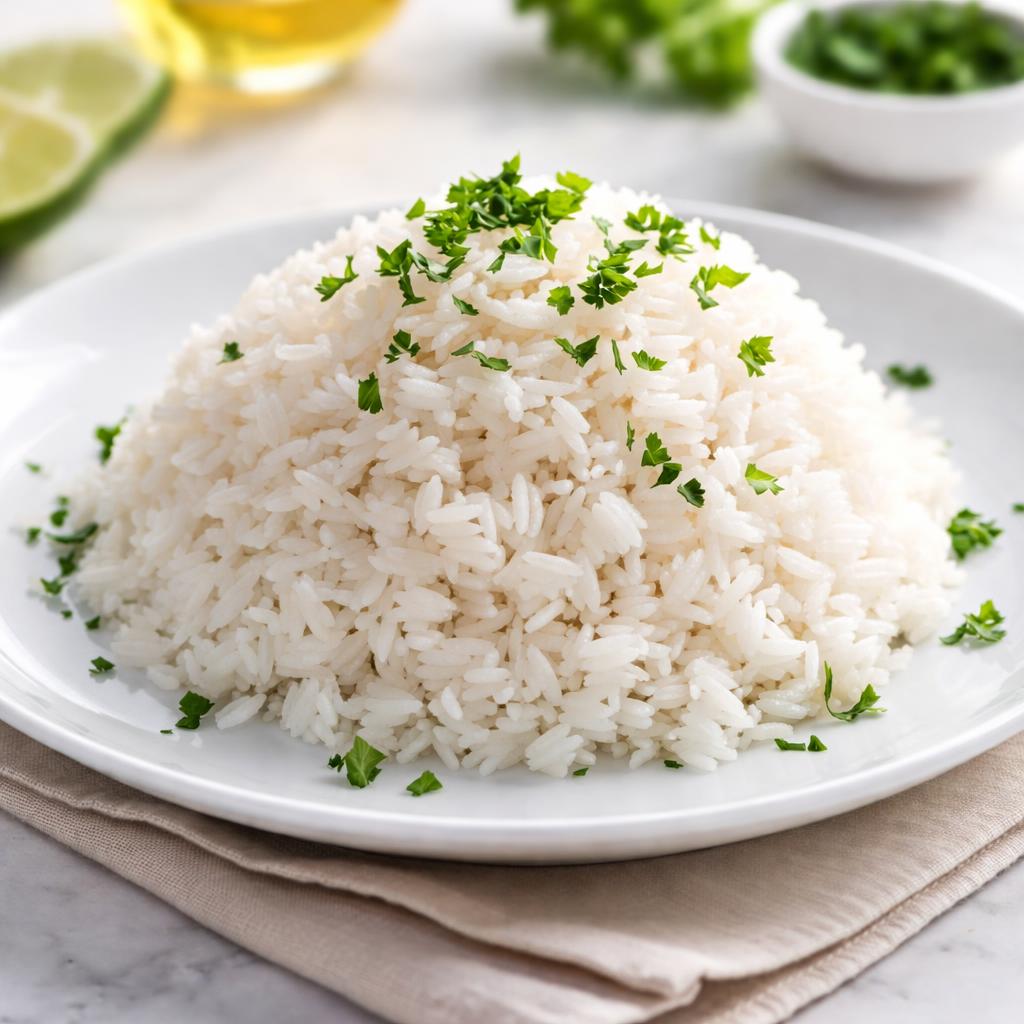
Rice
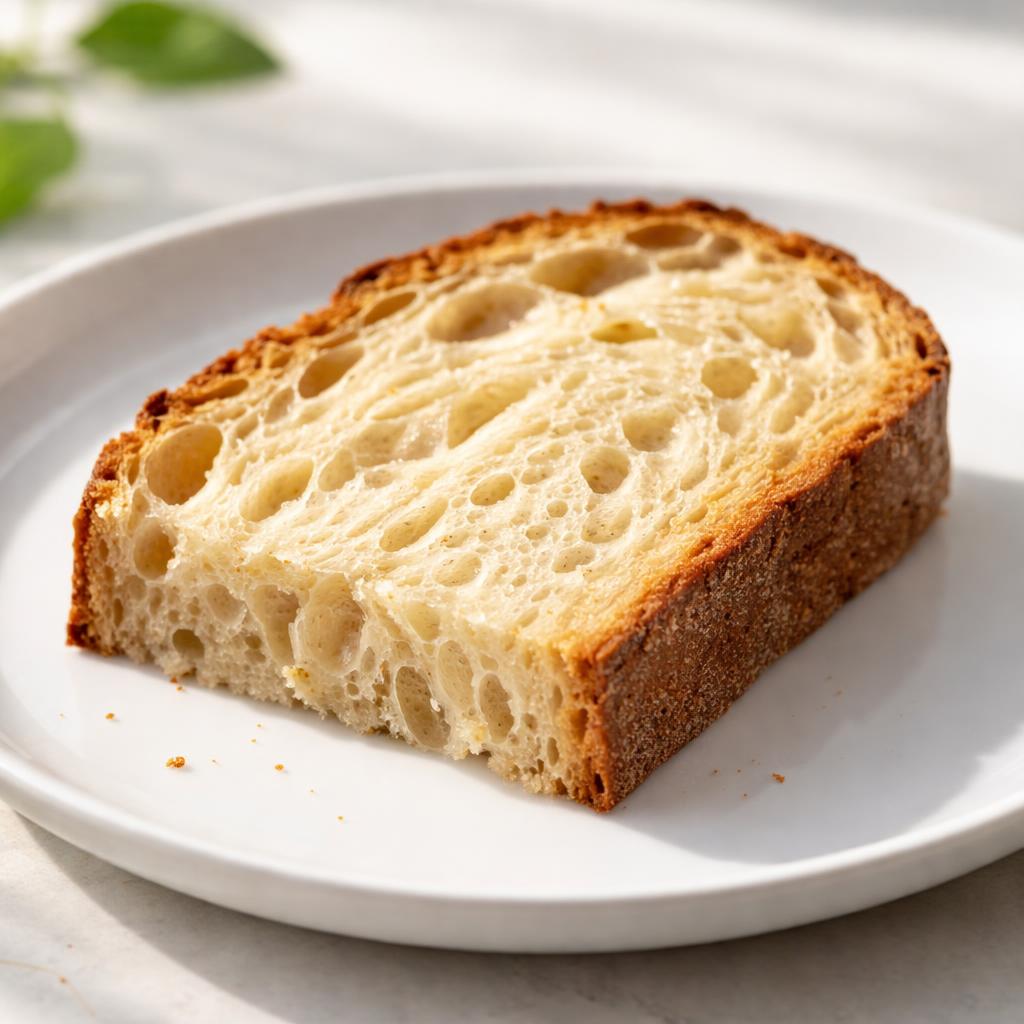
Slice Of Bread
🎯 Quick Verdict
Rice is lower in calories and carbs compared to a slice of bread, making it a better option for calorie-conscious diets. However, bread offers more protein and fiber, making it preferable for satiety and digestive health. The choice heavily depends on individual dietary goals, such as energy needs or macronutrient focus.

Smart Nutrition Tracking with SnapCalorie

📊 Nutritional Comparison
Macronutrients
| Nutrient | Food 1 | Food 2 | Winner |
|---|---|---|---|
| Calories | 130 | 80 | ✓ |
| Protein | 2.7g | 4g | ✓ |
| Carbs | 28g | 15g | ✓ |
| Fat | 0.3g | 1g | ✓ |
| Fiber | 0.4g | 1g | ✓ |
Vitamins & Minerals
| Nutrient | Food 1 | Food 2 | Winner |
|---|---|---|---|
| Vitamin D | 0mcg | 0mcg | − |
| Calcium | 10mg | 30mg | ✓ |
| Iron | 0.2mg | 1mg | ✓ |
🏆 Category Winners
Protein
Bread has nearly 50% more protein than rice per serving.
Fiber
Bread provides 2.5 times more fiber per serving than rice.
Calories
Rice contains fewer calories by approximately 38% per serving.
Vitamins
Bread has higher levels of calcium and iron compared to rice.
🥗 Diet Compatibility
Keto
Food 1: Not Compatible
Food 2: Not Compatible
Both are high-carb foods unsuitable for keto diets.
Vegan
Food 1: Compatible
Food 2: Compatible
Both are plant-based and free from animal products.
Gluten Free
Food 1: Compatible
Food 2: Not Compatible
Rice is naturally gluten-free, while bread typically contains gluten.
Paleo
Food 1: Compatible
Food 2: Not Compatible
Rice aligns with paleo principles, while bread is not allowed on the paleo diet.
Low Carb
Food 1: Not Compatible
Food 2: Not Compatible
Both foods are carb-heavy and unsuitable for strict low-carb diets.
💪 Health Benefits Comparison
Food 1 Benefits
- Provides quick energy through easily digestible carbs.
- Naturally gluten-free, suitable for individuals with celiac disease.
- Low in fat, making it a great option for low-fat diets.
Food 2 Benefits
- Higher protein content helps with muscle repair and satiety.
- Contains more fiber, aiding digestion and promoting gut health.
- Provides essential micronutrients like calcium and iron.
✅ The Bottom Line
Choose rice for lower calories, simplicity, and gluten-free or paleo-friendly diets, especially if energy replenishment is the goal. Opt for bread when prioritizing protein, fiber, or convenience in quick meals. Each excels in specific contexts like weight management or digestive support.
Choose Food 1 for: Gluten-free diets, energy replenishment, paleo-friendly eating.
Choose Food 2 for: High-protein needs, digestive health, nutrient-rich snacks.


