Rice VS Seasoned Rice
A detailed nutritional comparison
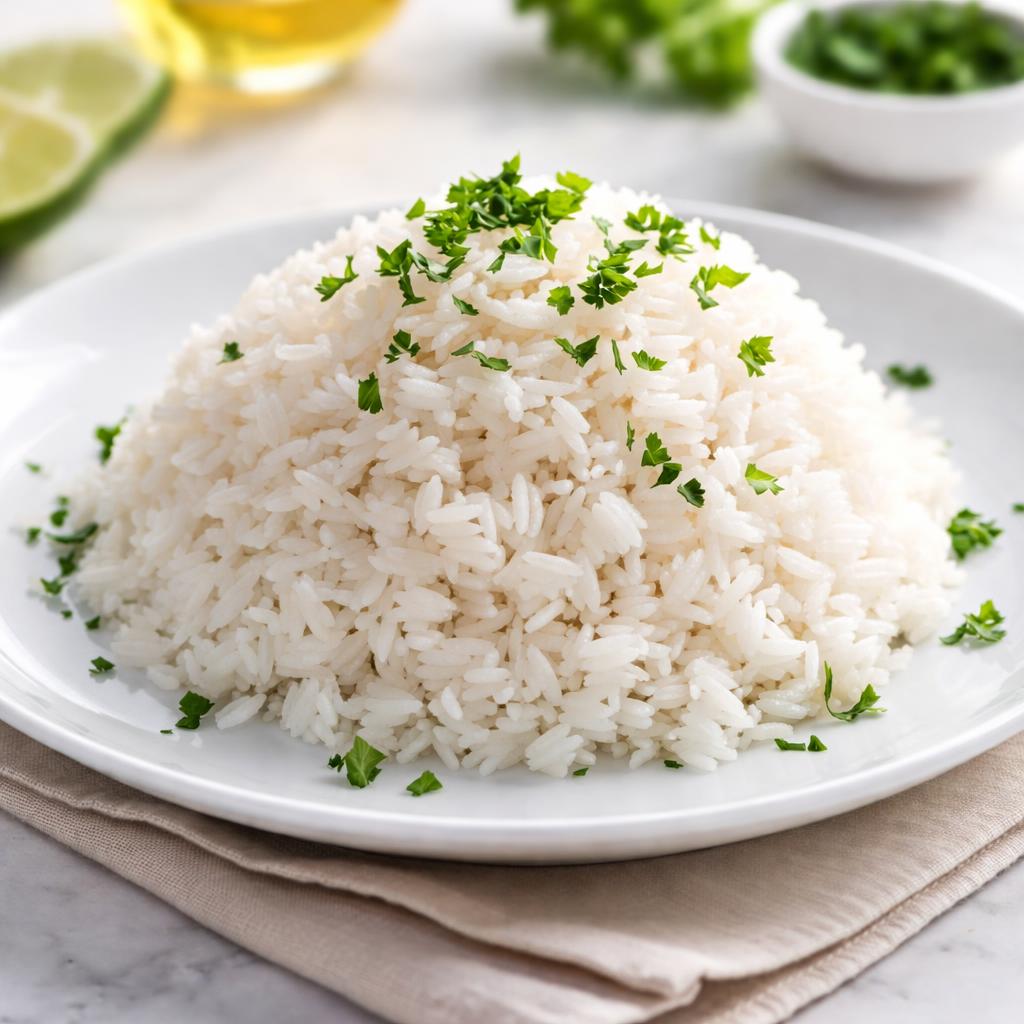
Rice
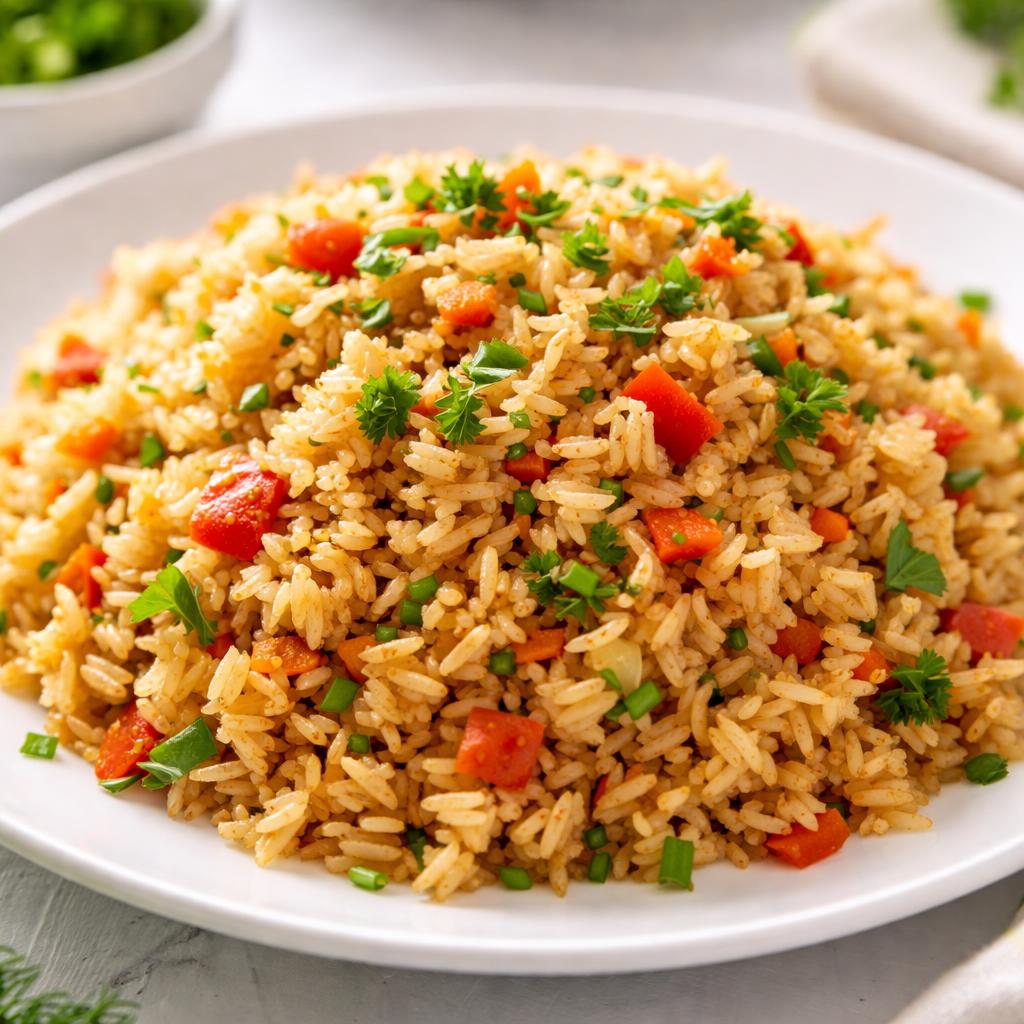
Seasoned Rice
🎯 Quick Verdict
Rice (food1) is a plain, nutrient-dense staple with lower calories and slightly more protein than seasoned rice (food2). Seasoned rice tends to be higher in sodium and fats due to added flavorings and sometimes oil. Rice is best for those seeking a clean carb source, while seasoned rice is better for enhanced taste or convenience in meal preparation.

Smart Nutrition Tracking with SnapCalorie

📊 Nutritional Comparison
Macronutrients
| Nutrient | Food 1 | Food 2 | Winner |
|---|---|---|---|
| Calories | 130 | 180 | ✓ |
| Protein | 2.7g | 2.5g | ✓ |
| Carbs | 28g | 26g | ✓ |
| Fat | 0.3g | 5g | ✓ |
| Fiber | 0.5g | 0.5g | − |
Vitamins & Minerals
| Nutrient | Food 1 | Food 2 | Winner |
|---|---|---|---|
| Vitamin D | 0mcg | 0mcg | − |
| Calcium | 9mg | 15mg | ✓ |
| Iron | 0.2mg | 0.1mg | ✓ |
🏆 Category Winners
Protein
Rice has slightly more protein per serving.
Fiber
Both options provide the same amount of fiber.
Calories
Rice has 28% fewer calories than seasoned rice.
Vitamins
Seasoned rice contributes slightly more calcium due to added ingredients.
🥗 Diet Compatibility
Keto
Food 1: Not Compatible
Food 2: Not Compatible
Both are high-carb foods.
Vegan
Food 1: Compatible
Food 2: Depends
Rice is vegan; seasoned rice may contain animal-based flavorings or butter.
Gluten Free
Food 1: Compatible
Food 2: Depends
Rice is naturally gluten-free; check for added ingredients in seasoned rice.
Paleo
Food 1: Not Compatible
Food 2: Not Compatible
Rice and processed seasoned products are not considered part of the paleo diet.
Low-Carb
Food 1: Not Compatible
Food 2: Not Compatible
Neither food is suitable for a low-carb diet due to high carbohydrate content.
💪 Health Benefits Comparison
Food 1 Benefits
- Low in fat, making it heart-friendly.
- Provides clean carbohydrates for energy.
- Easy to digest, suitable for sensitive stomachs.
Food 2 Benefits
- Enhanced flavor profile, making meals more enjoyable.
- Provides a source of healthy fats (if olive oil or similar is used).
- May contain additional vitamins and minerals from seasonings.
✅ The Bottom Line
Choose rice (food1) for a clean, low-calorie, and versatile carb option that works well for controlled nutrition. Opt for seasoned rice (food2) if you prefer convenience and enhanced taste, but check ingredient labels for additional fats, sodium, and non-vegan ingredients.
Choose Food 1 for: Weight loss, plain meal prep, digestion-sensitive diets.
Choose Food 2 for: Flavor-packed meals, convenience cooking, nutrient variety.


