Rice VS Salad Dressing
A detailed nutritional comparison
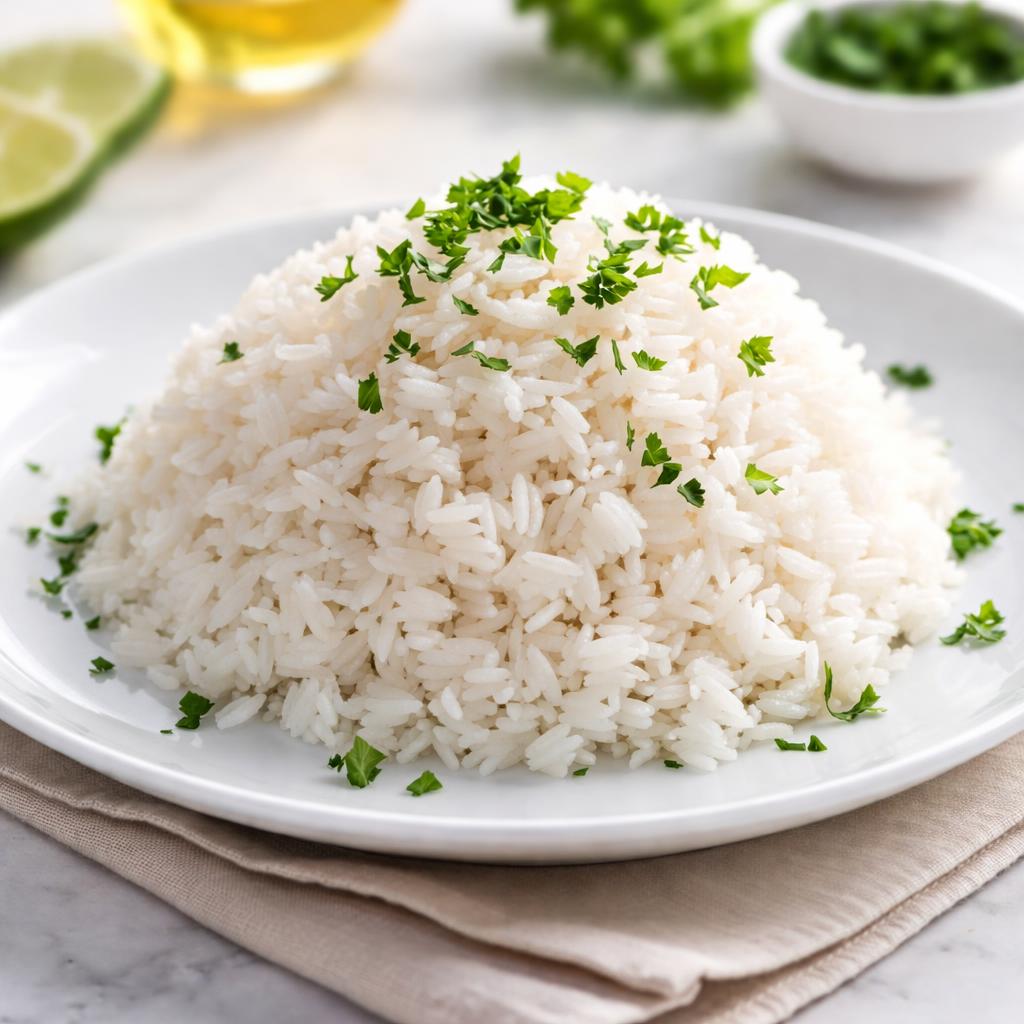
Rice
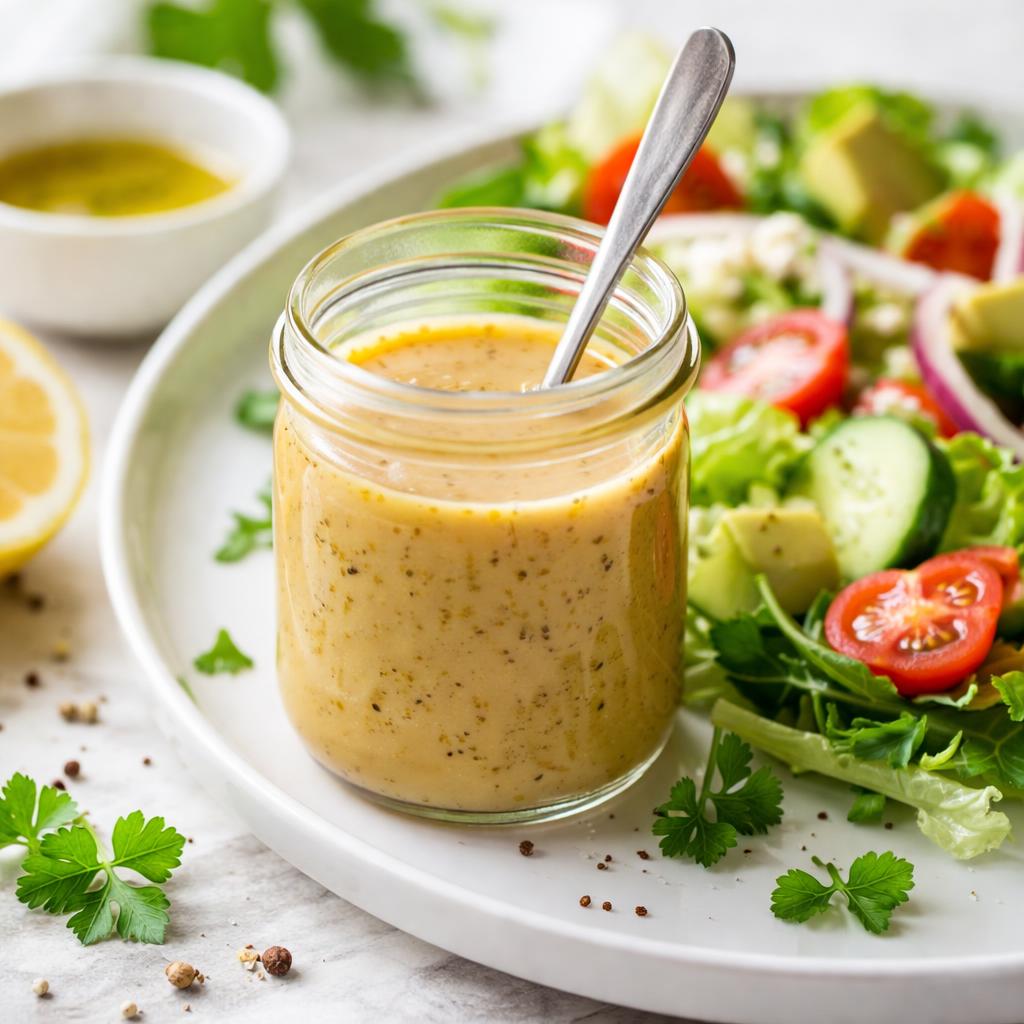
Salad Dressing
🎯 Quick Verdict
Rice is a carbohydrate-focused staple with modest protein and fiber content, as well as lower calories. Salad dressing is typically high in fat and calories but provides flavor and some micronutrients depending on the type. Rice is better for energy and volume, while salad dressing complements meals in small amounts for added taste and nutrients.

Smart Nutrition Tracking with SnapCalorie

📊 Nutritional Comparison
Macronutrients
| Nutrient | Food 1 | Food 2 | Winner |
|---|---|---|---|
| Calories | 206 (per cooked cup) | 120 (per 2 tbsp serving) | ✓ |
| Protein | 4.3g | 0.2g | ✓ |
| Carbs | 45g | 1g | ✓ |
| Fat | 0.4g | 12g | ✓ |
| Fiber | 0.6g | 0g | ✓ |
Vitamins & Minerals
| Nutrient | Food 1 | Food 2 | Winner |
|---|---|---|---|
| Vitamin D | 0mcg | 5mcg (if fortified) | ✓ |
| Calcium | 10mg | 20mg | ✓ |
| Iron | 0.4mg | 0.2mg | ✓ |
🏆 Category Winners
Protein
Rice contains significantly more protein.
Fiber
Rice provides small amounts of fiber, whereas salad dressing provides none.
Calories
Rice has fewer calories per serving than typical salad dressing.
Vitamins
Some salad dressings are fortified with vitamin D and calcium.
🥗 Diet Compatibility
Keto
Food 1: Not Compatible
Food 2: Compatible
Salad dressing is low-carb, but rice is high-carb.
Vegan
Food 1: Compatible
Food 2: Depends on type
Rice is vegan, but some salad dressings contain animal-derived ingredients like eggs.
Gluten Free
Food 1: Compatible
Food 2: Depends on type
Rice is naturally gluten-free, whereas salad dressing may contain gluten from additives unless labeled as gluten-free.
Paleo
Food 1: Not Compatible
Food 2: Depends on type
Rice is not part of a paleo diet, but some natural dressings without processed ingredients may qualify.
Low-Carb
Food 1: Not Compatible
Food 2: Compatible
Rice is high-carb, while most salad dressings are low-carb.
💪 Health Benefits Comparison
Food 1 Benefits
- Provides sustained energy from carbohydrates
- Low in fat, good for balanced diets
- Contains small amounts of protein for muscle repair
Food 2 Benefits
- Rich in healthy fats for heart health (if made with olive or avocado oil)
- May provide vitamin D and calcium (if fortified)
- Adds flavor to meals, encouraging higher vegetable intake
✅ The Bottom Line
Rice is a versatile and calorie-efficient choice for energy and filling meals, particularly beneficial for active individuals needing higher carbohydrate intake. Salad dressing adds flavor, fat, and some micronutrients to meals when used in moderation. Choose rice for bulk and satiety, or opt for salad dressing as a flavorful complement or fat source.
Choose Food 1 for: Energy-dense meals, sports performance, pairing with lean proteins
Choose Food 2 for: Flavor enhancement, keto diets, increasing healthy fat intake


