Rice VS Roll
A detailed nutritional comparison
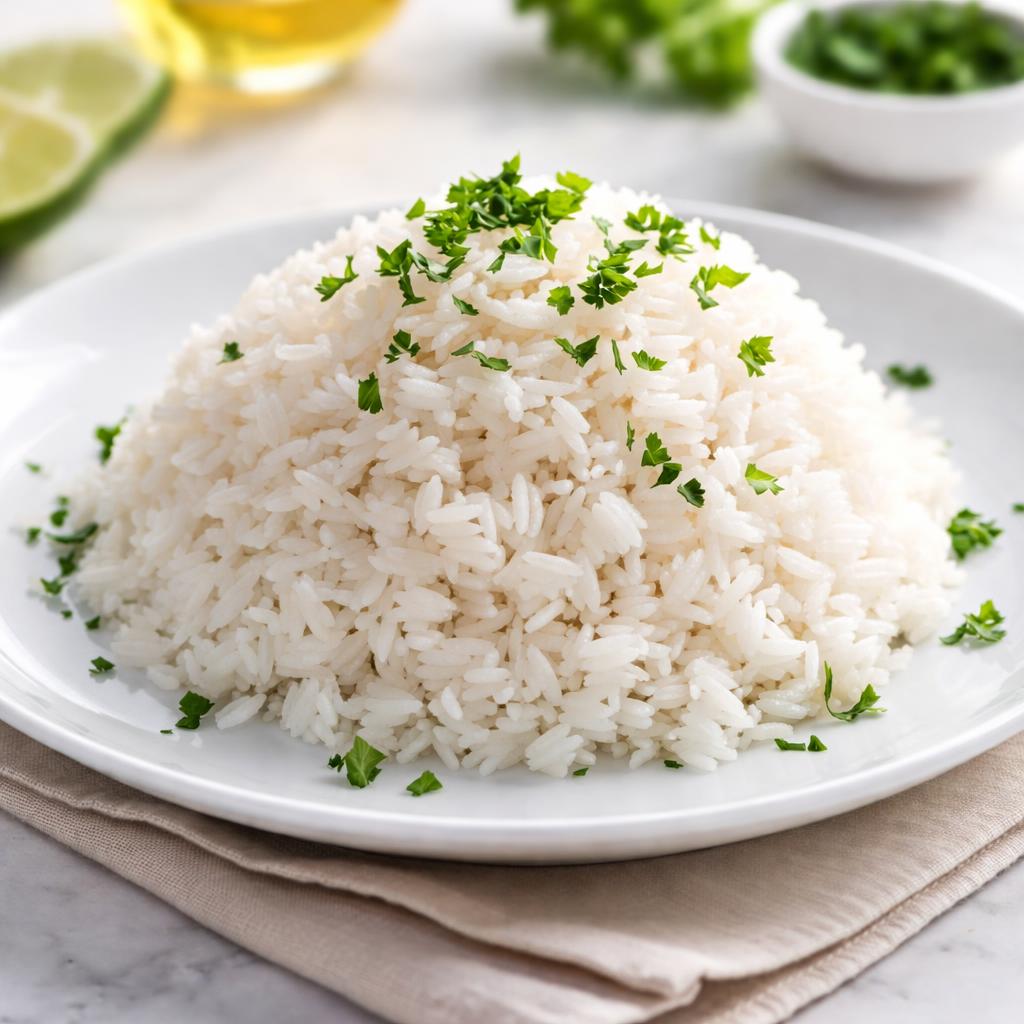
Rice
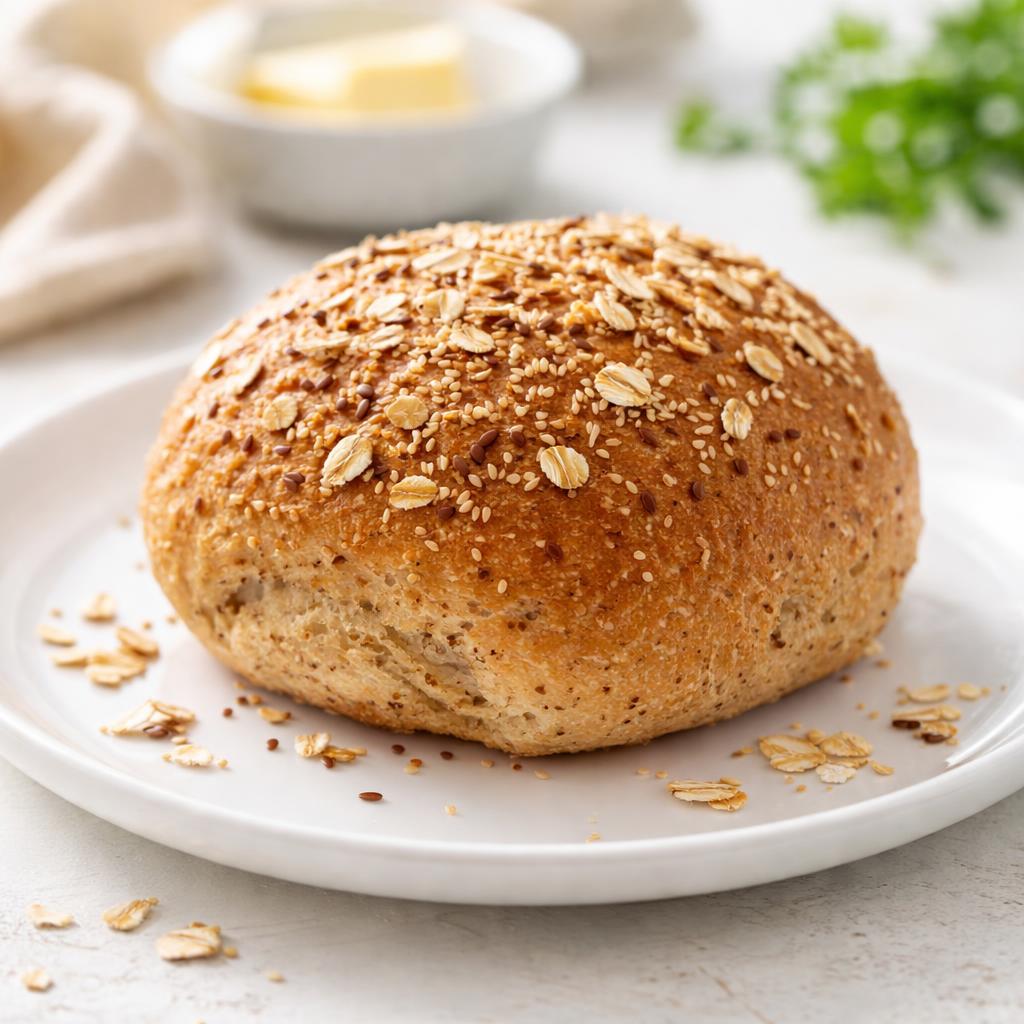
Roll
🎯 Quick Verdict
Rice has fewer calories and fats compared to a roll, making it suitable for weight-conscious diets. On the other hand, rolls generally provide more protein and fiber, ideal for energy and satiety. Both have versatile applications based on dietary needs and preferences.

Smart Nutrition Tracking with SnapCalorie

📊 Nutritional Comparison
Macronutrients
| Nutrient | Food 1 | Food 2 | Winner |
|---|---|---|---|
| Calories | 130 | 190 | ✓ |
| Protein | 2.7g | 7g | ✓ |
| Carbs | 28g | 30g | ✓ |
| Fat | 0.3g | 4g | ✓ |
| Fiber | 0.4g | 2g | ✓ |
Vitamins & Minerals
| Nutrient | Food 1 | Food 2 | Winner |
|---|---|---|---|
| Vitamin B6 | 0.1mg | 0.3mg | ✓ |
| Calcium | 10mg | 20mg | ✓ |
| Iron | 0.2mg | 1mg | ✓ |
🏆 Category Winners
Protein
Food2 (rolls) contains 2.5x more protein compared to rice.
Fiber
Food2 has 5x more fiber, helping with digestion and longer satiety.
Calories
Rice has 32% fewer calories per serving, beneficial for calorie-controlled diets.
🥗 Diet Compatibility
Keto
Food 1: Not Compatible
Food 2: Not Compatible
Both are high-carb foods, exceeding keto allowances.
Vegan
Food 1: Compatible
Food 2: Compatible
Both rice and rolls (if plant-based) adhere to vegan diets.
Gluten Free
Food 1: Compatible
Food 2: Not Compatible
Rice is naturally gluten-free, whereas rolls typically contain wheat.
Paleo
Food 1: Not Compatible
Food 2: Not Compatible
Grains like rice and rolls are excluded in paleo diets.
Low-Carb
Food 1: Not Compatible
Food 2: Not Compatible
Both foods are high in carbohydrates, not suitable for low-carb diets.
💪 Health Benefits Comparison
Food 1 Benefits
- Low in calories, supports weight control
- Easy to digest, good for sensitive stomachs
- Naturally gluten-free
Food 2 Benefits
- High protein content supports muscle health
- Rich in fiber for gut health and satiety
- Provides essential micronutrients like calcium and iron
✅ The Bottom Line
Choose rice for a lighter, low-calorie option suitable for gluten-free diets. Rolls are better for protein and fiber needs, making them more filling and nutritious. Base your choice on your dietary goals and preferences.
Choose Food 1 for: Weight loss, gluten-free diets, light meals
Choose Food 2 for: Muscle building, active diets, energy and satiety


