Rice VS Parmesan Cheese
A detailed nutritional comparison
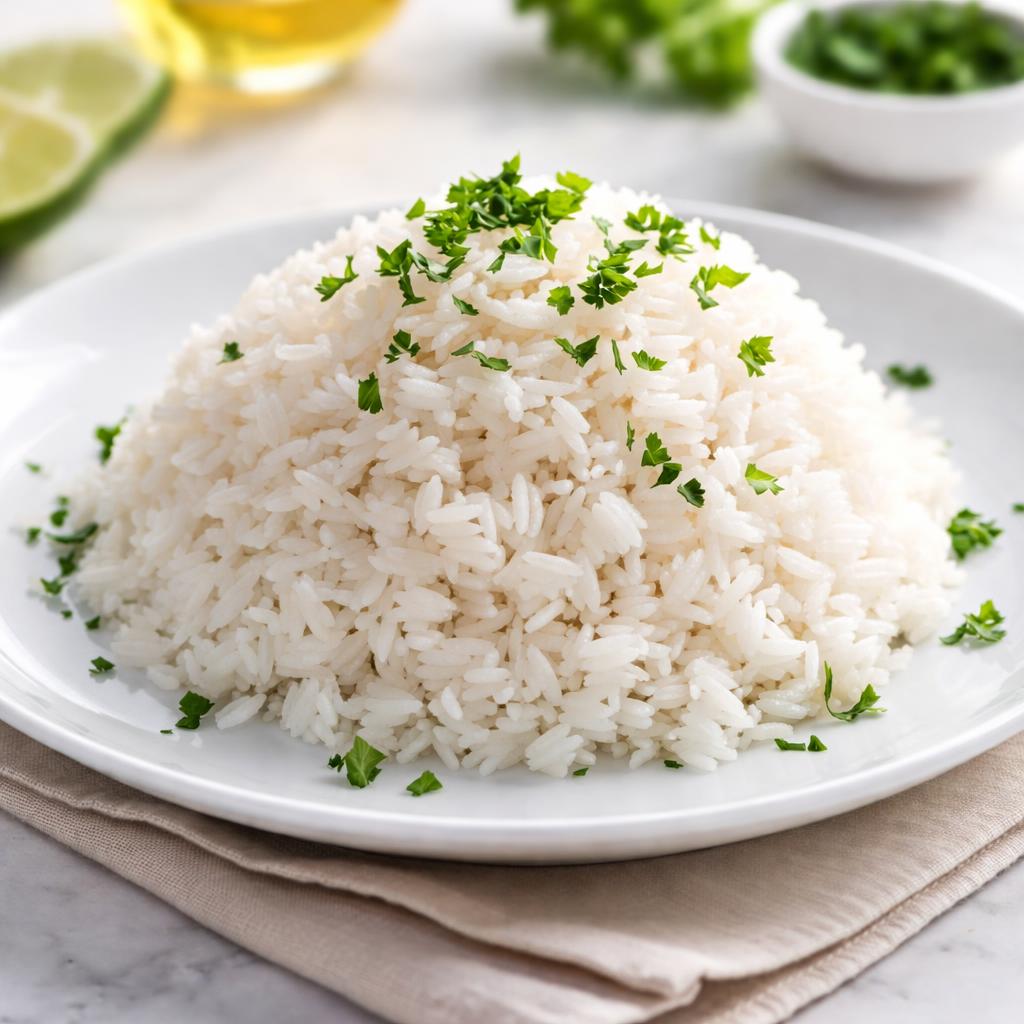
Rice
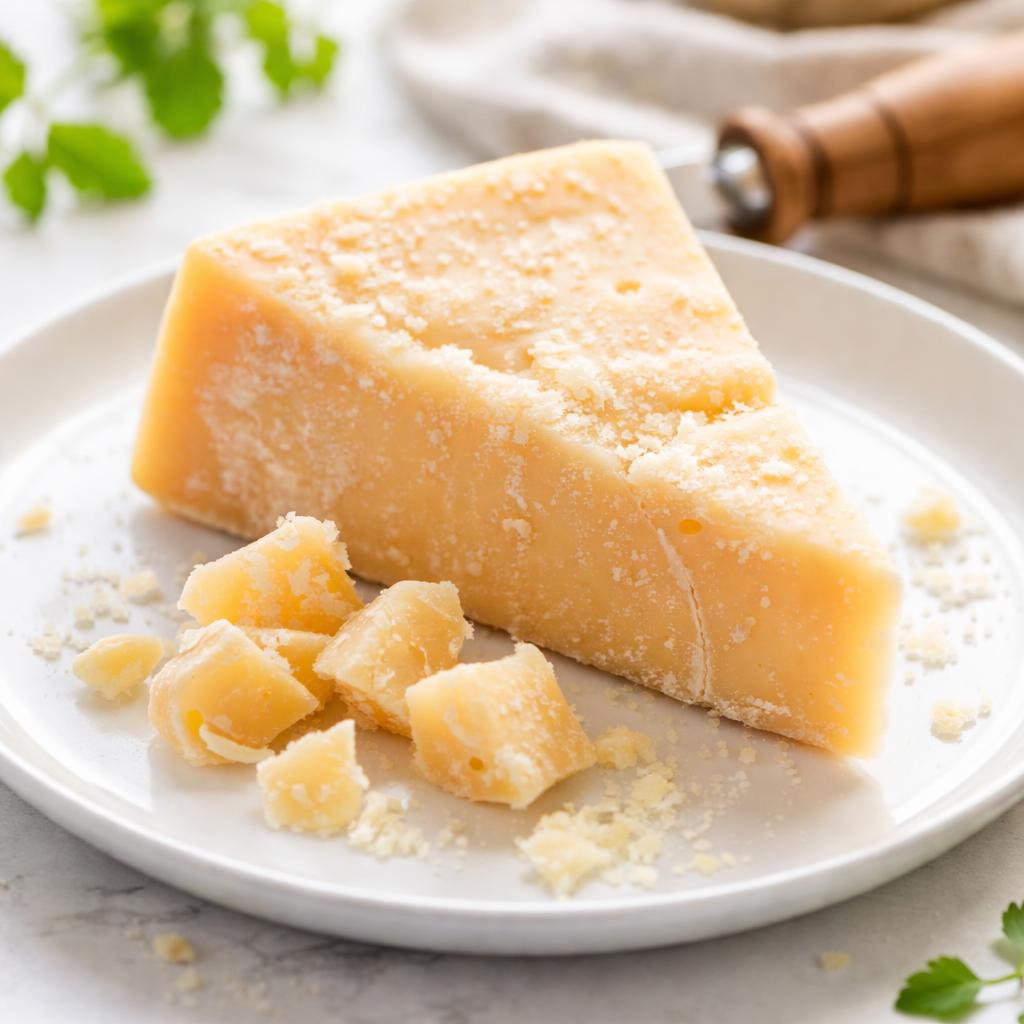
Parmesan Cheese
🎯 Quick Verdict
Rice and parmesan cheese are nutritionally diverse, with rice being higher in fiber and carbs, making it ideal for energy and digestion, while parmesan excels in protein and calcium for muscle and bone health. Each food serves distinct roles, with rice fitting into high-carbohydrate diets and parmesan being better suited for low-carb, protein-rich plans.

Smart Nutrition Tracking with SnapCalorie

📊 Nutritional Comparison
Macronutrients
| Nutrient | Food 1 | Food 2 | Winner |
|---|---|---|---|
| Calories | 130 | 110 | ✓ |
| Protein | 2.5g | 10g | ✓ |
| Carbs | 28g | 1g | ✓ |
| Fat | 0.3g | 7g | ✓ |
| Fiber | 0.5g | 0g | ✓ |
Vitamins & Minerals
| Nutrient | Food 1 | Food 2 | Winner |
|---|---|---|---|
| Vitamin D | 0mcg | 0.25mcg | ✓ |
| Calcium | 10mg | 330mg | ✓ |
| Iron | 0.2mg | 0.1mg | ✓ |
🏆 Category Winners
Protein
Parmesan cheese has 4 times more protein than rice per serving.
Fiber
Rice contains 0.5g of fiber versus zero in parmesan cheese.
Calories
Parmesan cheese has slightly fewer calories than rice per serving.
Vitamins
Parmesan cheese is significantly higher in calcium and includes some vitamin D, while rice has minimal micronutrients.
🥗 Diet Compatibility
Keto
Food 1: Not Compatible
Food 2: Compatible
Parmesan cheese is low in carbs, while rice is high-carb (28g per serving).
Vegan
Food 1: Compatible
Food 2: Not Compatible
Rice is plant-based, whereas parmesan cheese is animal-derived.
Gluten Free
Food 1: Compatible
Food 2: Compatible
Both foods are naturally gluten-free.
Paleo
Food 1: Compatible
Food 2: Not Compatible
Rice is compatible with paleo diets, but dairy-based parmesan cheese typically is not.
Low Carb
Food 1: Not Compatible
Food 2: Compatible
Rice is high-carb, contrasting with low-carb parmesan cheese.
💪 Health Benefits Comparison
Food 1 Benefits
- Provides sustained energy due to high carbohydrate content
- Low in fat, suitable for low-fat diets
- Contains fiber for digestive health
Food 2 Benefits
- Rich source of protein for muscle repair
- Extremely high in calcium, supporting bone health
- Low in carbs, suitable for keto and low-carb diets
- Contains healthy fats beneficial for heart and brain health
✅ The Bottom Line
Rice is an excellent choice for energy-dense, high-carb diets and vegan lifestyles, while parmesan cheese is superior for low-carb, high-protein needs and boosting calcium intake. Choose rice for fueling workouts and digestion, and opt for parmesan for supporting muscle repair and bone health.
Choose Food 1 for: Energy, vegan diets, digestion support
Choose Food 2 for: Low-carb, high-protein diets, bone health


