Rice VS Mandarin
A detailed nutritional comparison
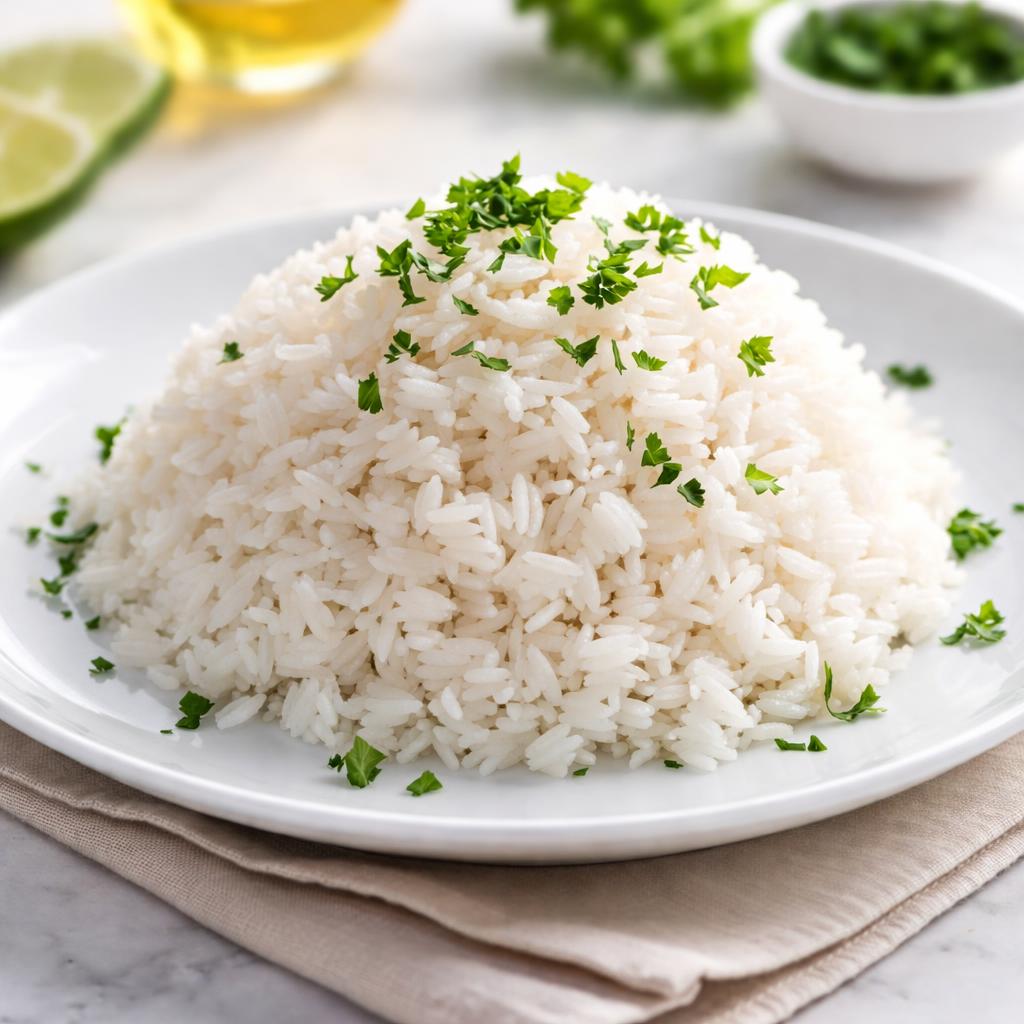
Rice
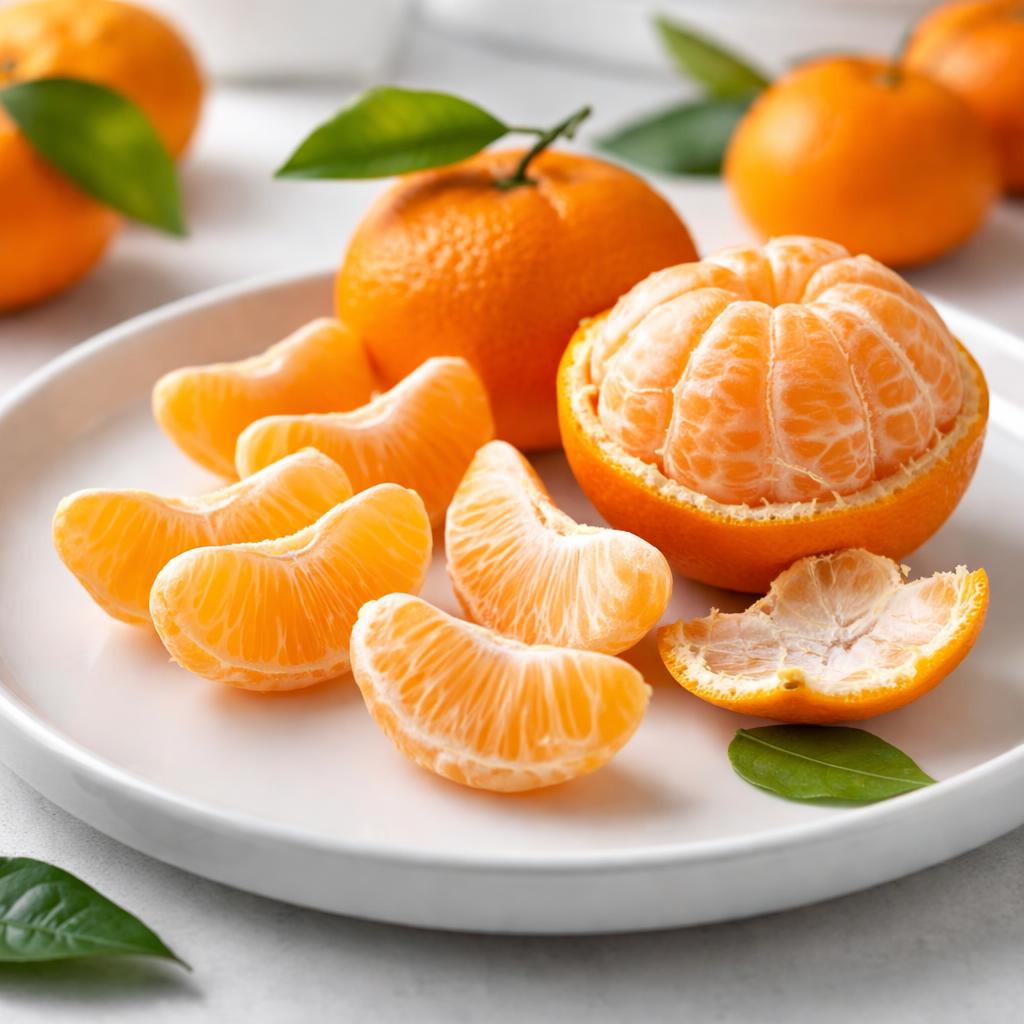
Mandarin
🎯 Quick Verdict
Rice and mandarins serve very different nutritional purposes. Rice is higher in calories, carbs, and protein, making it a great option for energy and muscle support. Mandarins are lower in calories, packed with vitamin C, and contain more fiber, making them ideal for digestion and immune health. Choose rice for sustained energy and mandarins for health-conscious snacking or vitamin boosts.

Smart Nutrition Tracking with SnapCalorie

📊 Nutritional Comparison
Macronutrients
| Nutrient | Food 1 | Food 2 | Winner |
|---|---|---|---|
| Calories | 130 (per 100g cooked) | 53 (per 100g) | ✓ |
| Protein | 2.7g | 0.8g | ✓ |
| Carbs | 28g | 13g | ✓ |
| Fat | 0.3g | 0.3g | − |
| Fiber | 0.4g | 1.8g | ✓ |
Vitamins & Minerals
| Nutrient | Food 1 | Food 2 | Winner |
|---|---|---|---|
| Vitamin C | 0mg | 26mg | ✓ |
| Vitamin A | 0mcg | 599mcg | ✓ |
| Calcium | 10mg | 37mg | ✓ |
| Iron | 1.2mg | 0.2mg | ✓ |
🏆 Category Winners
Protein
Rice has over 3 times more protein per serving than mandarin.
Fiber
Mandarin has approximately 4 times more fiber than rice.
Calories
Mandarin has less than half the calories of rice per 100g.
Vitamins
Mandarin is rich in vitamin C, A, and calcium compared to rice.
🥗 Diet Compatibility
Keto
Food 1: Not Compatible
Food 2: Not Compatible
Both foods contain moderate to high amounts of carbs.
Vegan
Food 1: Compatible
Food 2: Compatible
Both foods are plant-based and support vegan diets.
Gluten Free
Food 1: Compatible
Food 2: Compatible
Neither food contains gluten.
Paleo
Food 1: Not Compatible
Food 2: Compatible
Mandarins fit a paleo framework, but rice does not.
Low Carb
Food 1: Not Compatible
Food 2: Compatible
Mandarin is lower in carbs than rice, with only 13g per 100g compared to 28g.
💪 Health Benefits Comparison
Food 1 Benefits
- Provides energy from complex carbs
- Good source of protein for muscle repair
- Low in fat and easy to digest
Food 2 Benefits
- Rich in vitamin C for immune support
- Contains fiber for improved digestion
- Offers antioxidants and vitamin A for skin and eye health
- Low calorie snack option for weight management
✅ The Bottom Line
Rice is a better option for energy and protein needs, especially in high-activity or workout recovery scenarios. Mandarins are more suited for low-calorie snacking, improving digestion, and boosting immunity. Ultimately, they complement each other in a balanced diet.
Choose Food 1 for: Energy needs, muscle recovery, hearty meals
Choose Food 2 for: Low-calorie snacks, digestion, immune health


