Rice VS Flat Bread
A detailed nutritional comparison
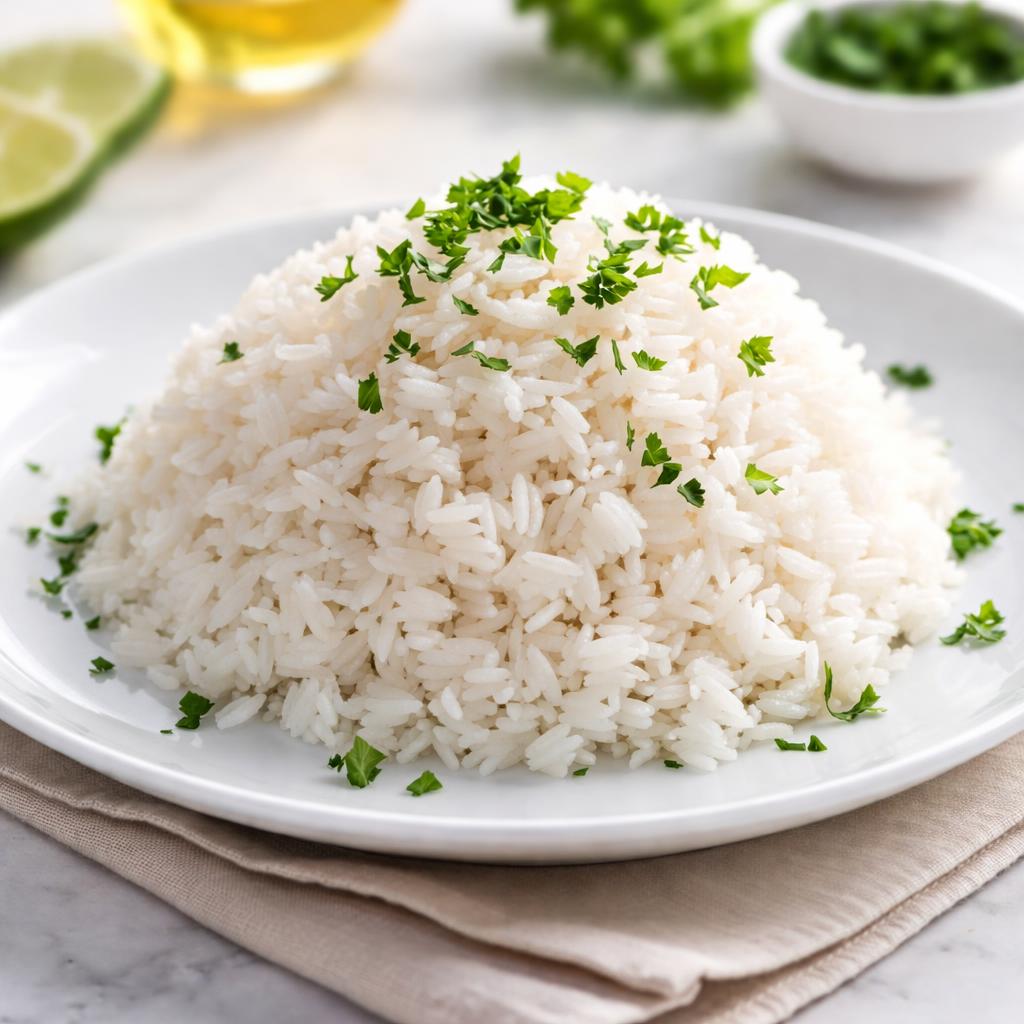
Rice
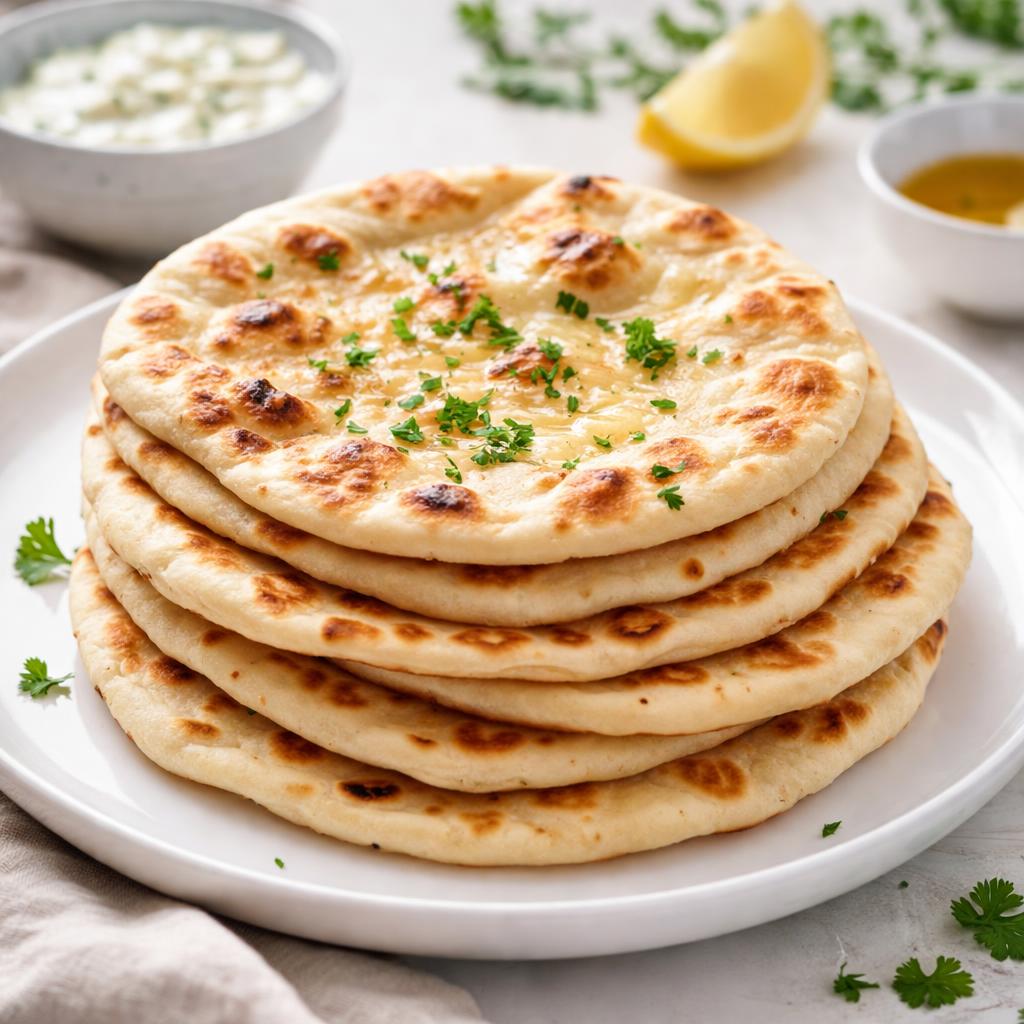
Flat Bread
🎯 Quick Verdict
Rice and flat bread are both staple foods, but they differ significantly in macronutrient composition. Rice is lower in calories and fat, while flat bread has more protein and fiber. Both can fit into different dietary plans depending on nutritional goals, with rice better for low-calorie diets and flat bread ideal for higher protein and fiber intake.

Smart Nutrition Tracking with SnapCalorie

📊 Nutritional Comparison
Macronutrients
| Nutrient | Food 1 | Food 2 | Winner |
|---|---|---|---|
| Calories | 130 per 100g | 230 per 100g | − |
| Protein | 2.7g | 8g | − |
| Carbs | 28.2g | 40g | − |
| Fat | 0.3g | 3.5g | − |
| Fiber | 0.4g | 2.5g | − |
Vitamins & Minerals
| Nutrient | Food 1 | Food 2 | Winner |
|---|---|---|---|
| Vitamin B1 | 0.02mg | 0.08mg | − |
| Folate | 2mcg | 38mcg | − |
| Iron | 0.2mg | 2mg | − |
🏆 Category Winners
Protein
Flat bread has over 2.9 times more protein per 100g compared to rice.
Fiber
Flat bread has 525% more fiber per serving.
Calories
Rice contains 43% fewer calories per 100g compared to flat bread.
🥗 Diet Compatibility
Keto
Food 1: Not Compatible
Food 2: Not Compatible
Both foods are high in carbohydrates and unsuitable for keto diets.
Vegan
Food 1: Compatible
Food 2: Compatible
Both foods are plant-based and suitable for vegan diets.
Gluten Free
Food 1: Compatible
Food 2: Not Compatible
Rice is naturally gluten-free, while flat bread often contains wheat and gluten.
Paleo
Food 1: Not Compatible
Food 2: Not Compatible
Both foods are processed and not recommended for strict paleo diets.
Low-Carb
Food 1: Not Compatible
Food 2: Not Compatible
Both foods contain high amounts of carbs and are not suitable for low-carb diets.
💪 Health Benefits Comparison
Food 1 Benefits
- Low in calories, suitable for weight loss diets
- Easily digestible, ideal for sensitive stomachs
- Naturally gluten-free, safe for gluten intolerance
Food 2 Benefits
- Higher in protein for muscle maintenance
- Rich in fiber, supports digestive health
- Provides micronutrients like iron and folate
✅ The Bottom Line
Choose rice for calorie-controlled, gluten-free, or easily digestible diets. Opt for flat bread if you need a higher-protein, fiber-rich option that can provide iron and folate. Each serves different dietary needs based on goals.
Choose Food 1 for: Low-calorie diets, gluten-free diets, simple digestion
Choose Food 2 for: High-protein diets, nutrient density, fiber intake


