Rice VS Dulce De Leche
A detailed nutritional comparison
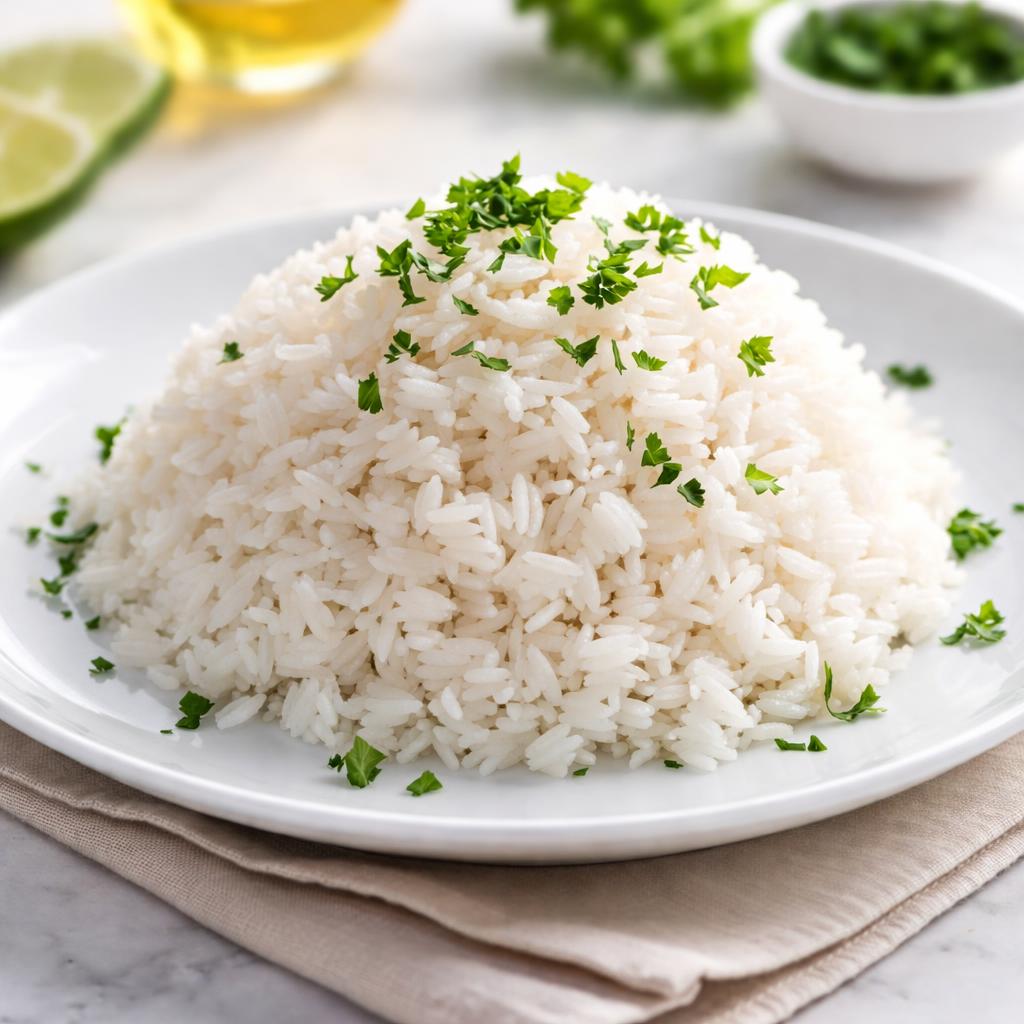
Rice
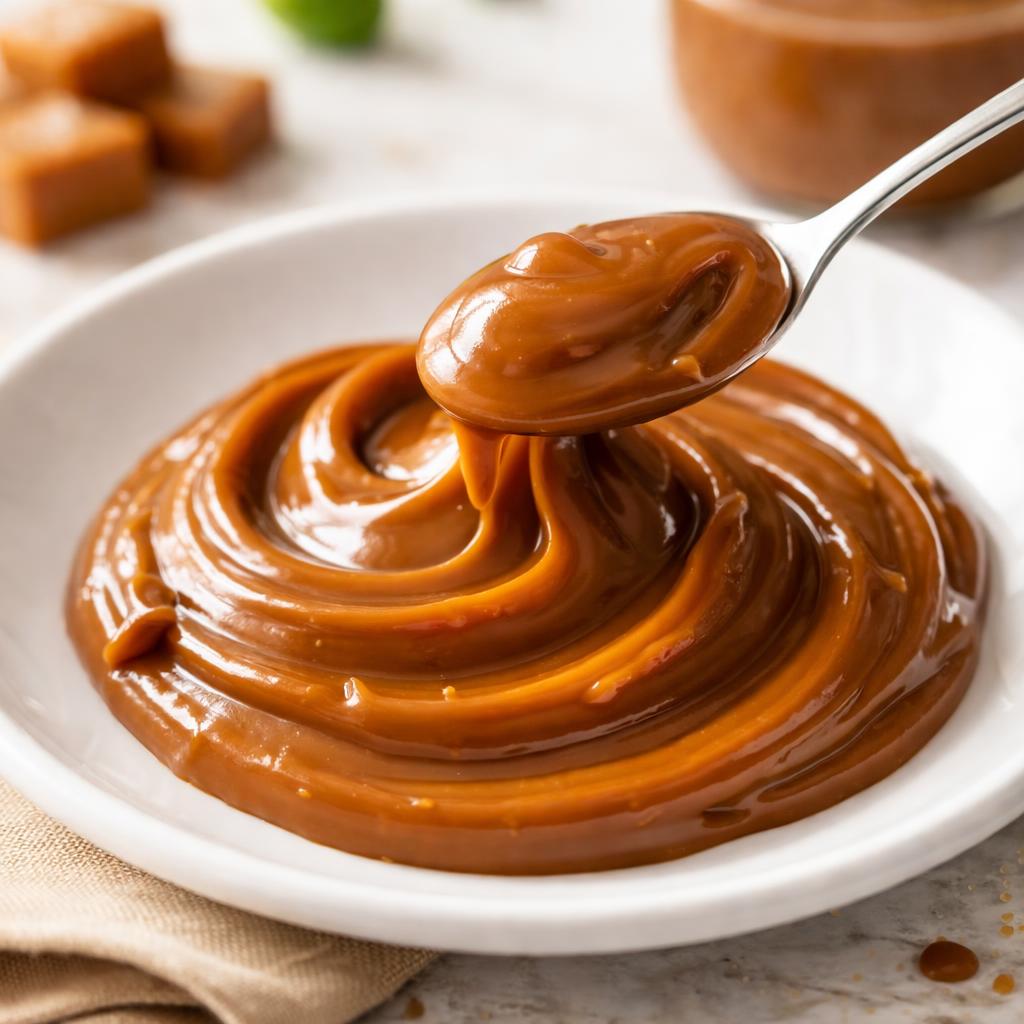
Dulce De Leche
🎯 Quick Verdict
Rice, a staple grain, is lower in calories and provides more protein and fiber than dulce de leche, which is a sugary caramelized milk-based confectionery. Rice is versatile for meals and diets, while dulce de leche is more suitable for desserts or occasional indulgence due to its high sugar and fat content.

Smart Nutrition Tracking with SnapCalorie

📊 Nutritional Comparison
Macronutrients
| Nutrient | Food 1 | Food 2 | Winner |
|---|---|---|---|
| Calories | 130 per 100g | 320 per 100g | ✓ |
| Protein | 2.7g per 100g | 4g per 100g | ✓ |
| Carbs | 28g per 100g | 54g per 100g | ✓ |
| Fat | 0.3g per 100g | 8g per 100g | ✓ |
| Fiber | 0.4g per 100g | 0g per 100g | ✓ |
Vitamins & Minerals
| Nutrient | Food 1 | Food 2 | Winner |
|---|---|---|---|
| Vitamin D | 0mcg | 0.1mcg | ✓ |
| Calcium | 10mg | 100mg | ✓ |
| Iron | 0.2mg | 0.1mg | ✓ |
🏆 Category Winners
Protein
Dulce de leche contains 1.3g more protein per 100g, but rice remains a better choice for overall nutrition.
Fiber
Rice contains 0.4g of fiber, while dulce de leche has no fiber.
Calories
Rice has significantly fewer calories, with 130 per 100g compared to 320 in dulce de leche.
Vitamins
Dulce de leche provides slightly more calcium and trace amounts of vitamin D.
🥗 Diet Compatibility
Keto
Food 1: Not Compatible
Food 2: Not Compatible
Both foods are high in carbs and unsuitable for strict keto diets.
Vegan
Food 1: Compatible
Food 2: Not Compatible
Rice is plant-based, while dulce de leche contains dairy.
Gluten Free
Food 1: Compatible
Food 2: Compatible
Neither food contains gluten.
Paleo
Food 1: Compatible
Food 2: Not Compatible
Rice (if accepted in some paleo approaches) is natural, while dulce de leche is processed.
Low-Carb
Food 1: Not Compatible
Food 2: Not Compatible
Both foods are high in carbohydrates.
💪 Health Benefits Comparison
Food 1 Benefits
- Provides sustained energy due to complex carbohydrates
- Low fat content is beneficial for heart health
- Can be a good base for balanced meals with added protein and vegetables
Food 2 Benefits
- Rich in calcium, supportive of bone health
- Provides quick energy due to high sugar content
- Can be a treat in moderation for mental and emotional indulgence
✅ The Bottom Line
Rice is a healthier everyday choice due to its lower calorie count, fiber content, and versatility in meals. Dulce de leche, while protein-rich and calcium-containing, is best enjoyed sparingly as a dessert topping or treat due to its high sugar and fat content.
Choose Food 1 for: Sustained energy, balanced meals, low-fat diets
Choose Food 2 for: Desserts, indulgence, quick energy boost


