Rice VS Coriander
A detailed nutritional comparison
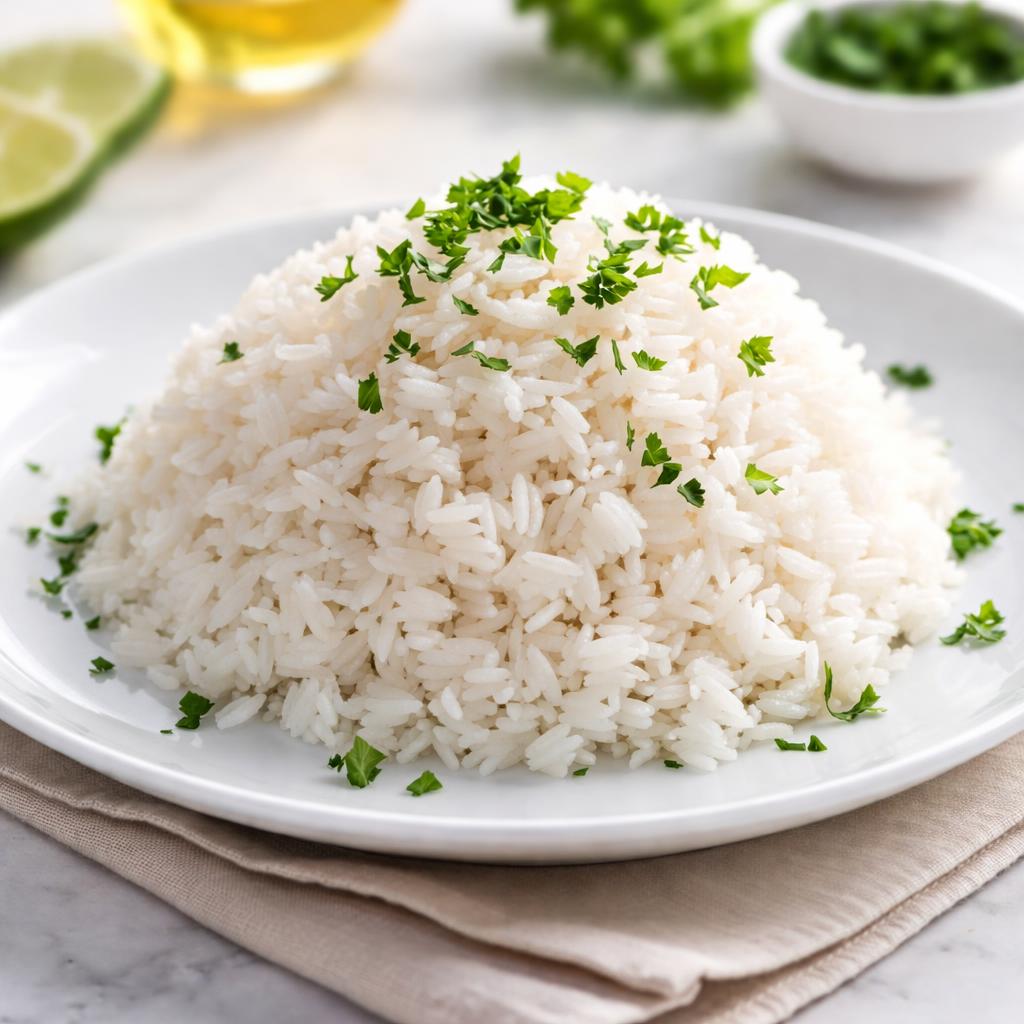
Rice
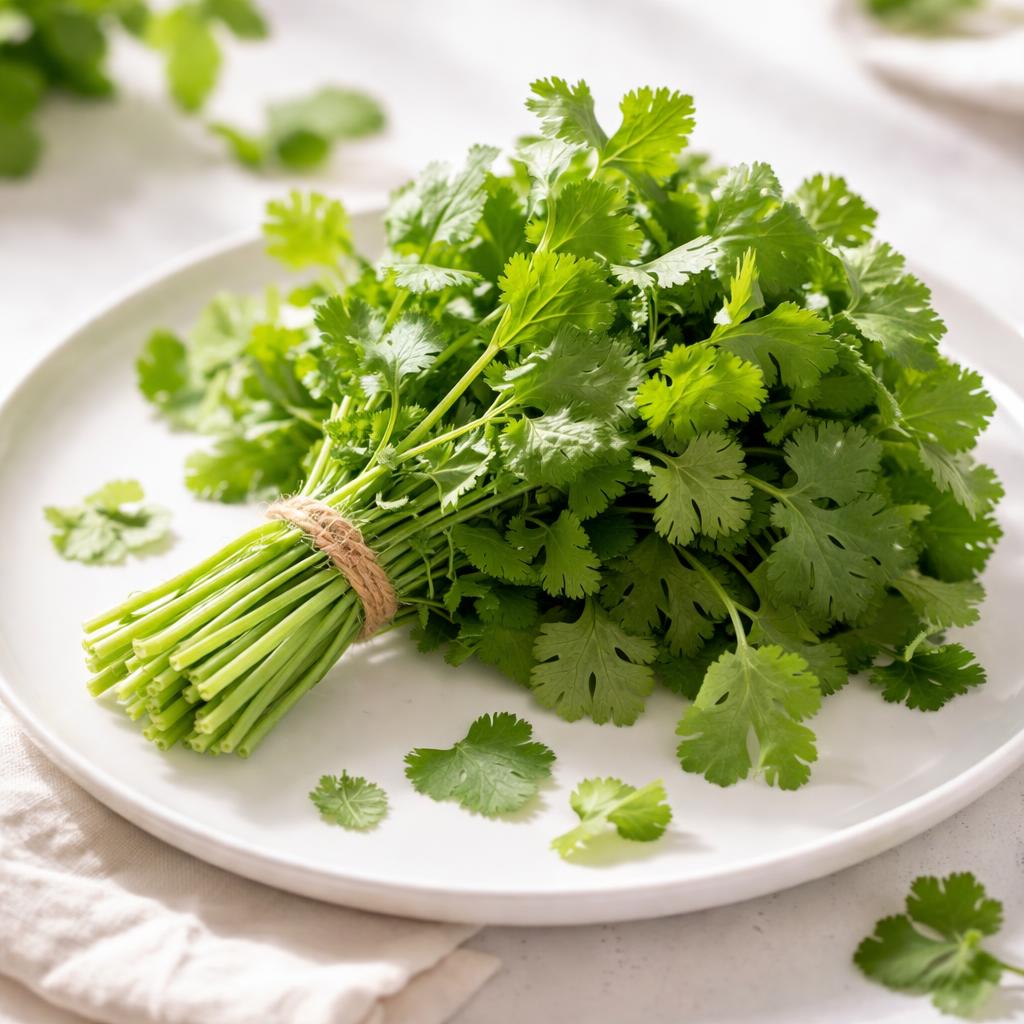
Coriander
🎯 Quick Verdict
Coriander (food2) is highly nutrient-dense with more protein, fiber, and significantly fewer calories than rice (food1). Rice is a high-carb staple, providing energy, while coriander shines as a flavorful herb packed with vitamins and antioxidants. Use rice for energy-dense meals and coriander for added nutrition without calorie load.

Smart Nutrition Tracking with SnapCalorie

📊 Nutritional Comparison
Macronutrients
| Nutrient | Food 1 | Food 2 | Winner |
|---|---|---|---|
| Calories | 130 (per 100g cooked) | 23 (per 100g raw) | ✓ |
| Protein | 2.7g | 2.1g | ✓ |
| Carbs | 28.2g | 3.7g | ✓ |
| Fat | 0.3g | 0.5g | ✓ |
| Fiber | 0.3g | 2.8g | ✓ |
Vitamins & Minerals
| Nutrient | Food 1 | Food 2 | Winner |
|---|---|---|---|
| Vitamin C | 0mg | 27mg (45% DV) | ✓ |
| Vitamin A | 0mcg | 337mcg (37% DV) | ✓ |
| Iron | 0.2mg | 1.8mg (10% DV) | ✓ |
🏆 Category Winners
Protein
Though lower in calories, coriander provides nearly as much protein per 100g as rice.
Fiber
Food2 delivers over 9x more fiber per 100g, aiding digestion.
Calories
Coriander is significantly lower in calories compared to rice.
Vitamins
Coriander is rich in Vitamin C, A, and iron, unlike rice, which lacks these nutrients.
🥗 Diet Compatibility
Keto
Food 1: Not Compatible
Food 2: Compatible
Coriander is very low in carbs, while rice is carb-heavy.
Vegan
Food 1: Compatible
Food 2: Compatible
Both are plant-based and suitable for vegans.
Gluten Free
Food 1: Compatible
Food 2: Compatible
Neither contains gluten.
Paleo
Food 1: Compatible
Food 2: Compatible
Both foods align with paleo guidelines.
Low-Carb
Food 1: Not Compatible
Food 2: Compatible
Rice has 28.2g carbs per 100g, exceeding low-carb limits.
💪 Health Benefits Comparison
Food 1 Benefits
- Provides quick energy with high carbs
- Great for muscle glycogen replenishment post-exercise
- Low in fat, suitable for energy-focused diets
Food 2 Benefits
- Rich in Vitamin C for immune support
- High in antioxidants for cell protection
- Contains fiber for better digestion
- Good source of Vitamin A for eye health
✅ The Bottom Line
Choose rice for energy-rich meals, endurance sports, or carb-focused diets. Opt for coriander in nutrient-dense, low-calorie, or low-carb recipes. Combining both can balance flavor and macro needs.
Choose Food 1 for: Energy-dense diets, post-workout glycogen replenishment, staple carb source
Choose Food 2 for: Low-calorie diets, antioxidant-rich meal additions, boosting vitamin intake


