Rice VS Coconut Chutney
A detailed nutritional comparison
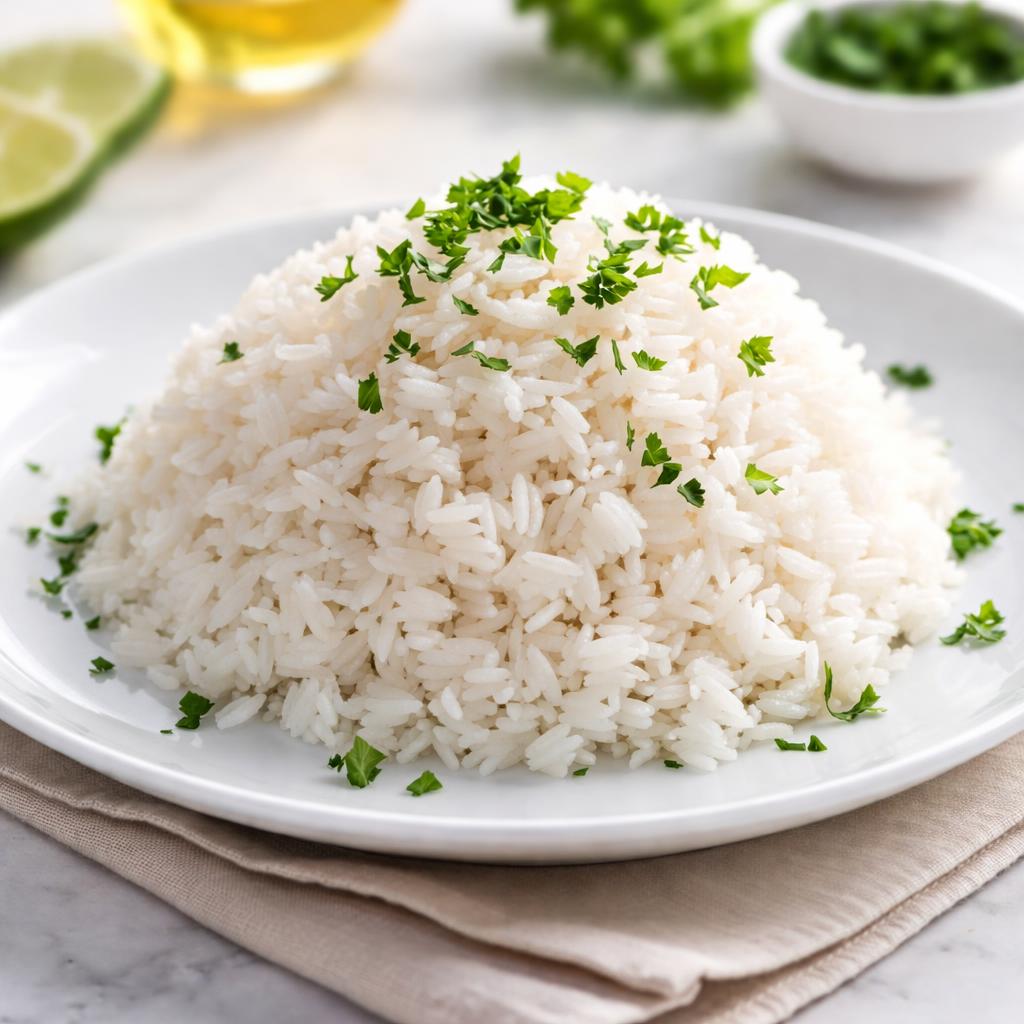
Rice
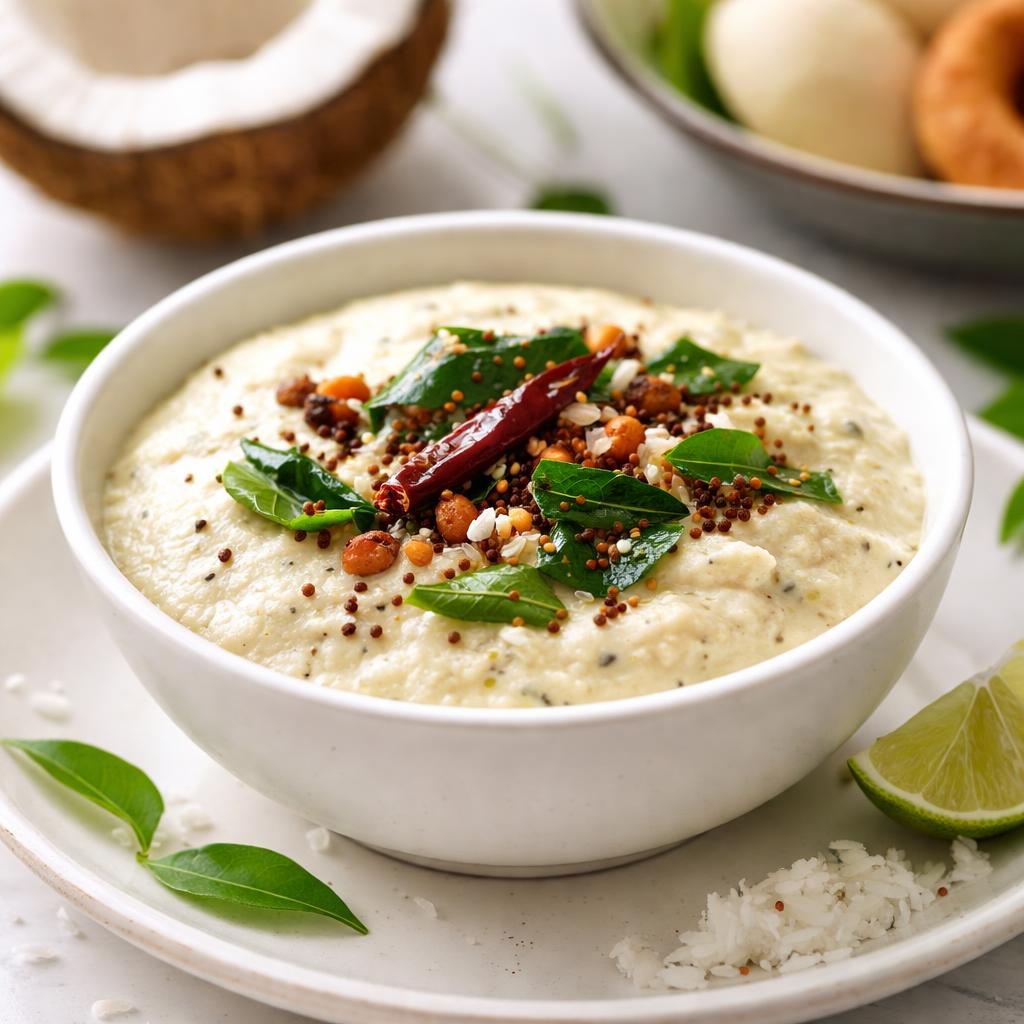
Coconut Chutney
🎯 Quick Verdict
Rice offers more protein and is an energy-dense option suitable for meals requiring sustained fuel. Coconut chutney, on the other hand, is lower in calories and rich in healthy fats and fiber, making it ideal for digestion and heart health. Both foods complement different diet types depending on nutritional goals.

Smart Nutrition Tracking with SnapCalorie

📊 Nutritional Comparison
Macronutrients
| Nutrient | Food 1 | Food 2 | Winner |
|---|---|---|---|
| Calories | 130 (per 100g cooked) | 90 (per 100g) | ✓ |
| Protein | 2.5g | 1g | ✓ |
| Carbs | 28g | 5g | ✓ |
| Fat | 0.3g | 8g | ✓ |
| Fiber | 0.4g | 2g | ✓ |
Vitamins & Minerals
| Nutrient | Food 1 | Food 2 | Winner |
|---|---|---|---|
| Vitamin C | 0mg | 4mg | ✓ |
| Calcium | 10mg | 18mg | ✓ |
| Iron | 0.2mg | 0.9mg | ✓ |
🏆 Category Winners
Protein
Rice has 150% more protein per serving compared to coconut chutney.
Fiber
Coconut chutney is 400% higher in dietary fiber.
Calories
Coconut chutney has approximately 30% fewer calories than rice.
🥗 Diet Compatibility
Keto
Food 1: Not Compatible
Food 2: Compatible
Rice is high in carbs, while coconut chutney is low-carb and high-fat.
Vegan
Food 1: Compatible
Food 2: Compatible
Both foods are plant-based and free from animal products.
Gluten Free
Food 1: Compatible
Food 2: Compatible
Neither food contains gluten.
Paleo
Food 1: Not Compatible
Food 2: Compatible
Rice is a grain and not compliant with paleo diets, while coconut chutney uses paleo-friendly ingredients.
Low-Carb
Food 1: Not Compatible
Food 2: Compatible
Rice contains high levels of carbohydrates, while coconut chutney is a low-carb option.
💪 Health Benefits Comparison
Food 1 Benefits
- Provides a quick source of energy due to its high carbohydrate content.
- Easy to digest, making it a suitable option for sensitive stomachs.
- Contains small amounts of essential minerals like magnesium and iron.
Food 2 Benefits
- Rich in healthy fats from coconut, supporting brain and heart health.
- Good source of fiber for improved digestion.
- Contains antioxidants like vitamin C for immune support.
✅ The Bottom Line
Rice is best suited for those seeking energy-dense meals or post-workout recovery due to its higher carb content. Coconut chutney appeals to those on keto or low-carb diets, needing healthy fats and fiber. Both foods serve distinct nutritional purposes and can complement one another when added to a balanced meal.
Choose Food 1 for: Sustained energy, meal staples, athletes needing carb replenishment
Choose Food 2 for: Keto diets, digestion support, healthy fat intake


