Rice VS Chicken In Tomato Sauce
A detailed nutritional comparison
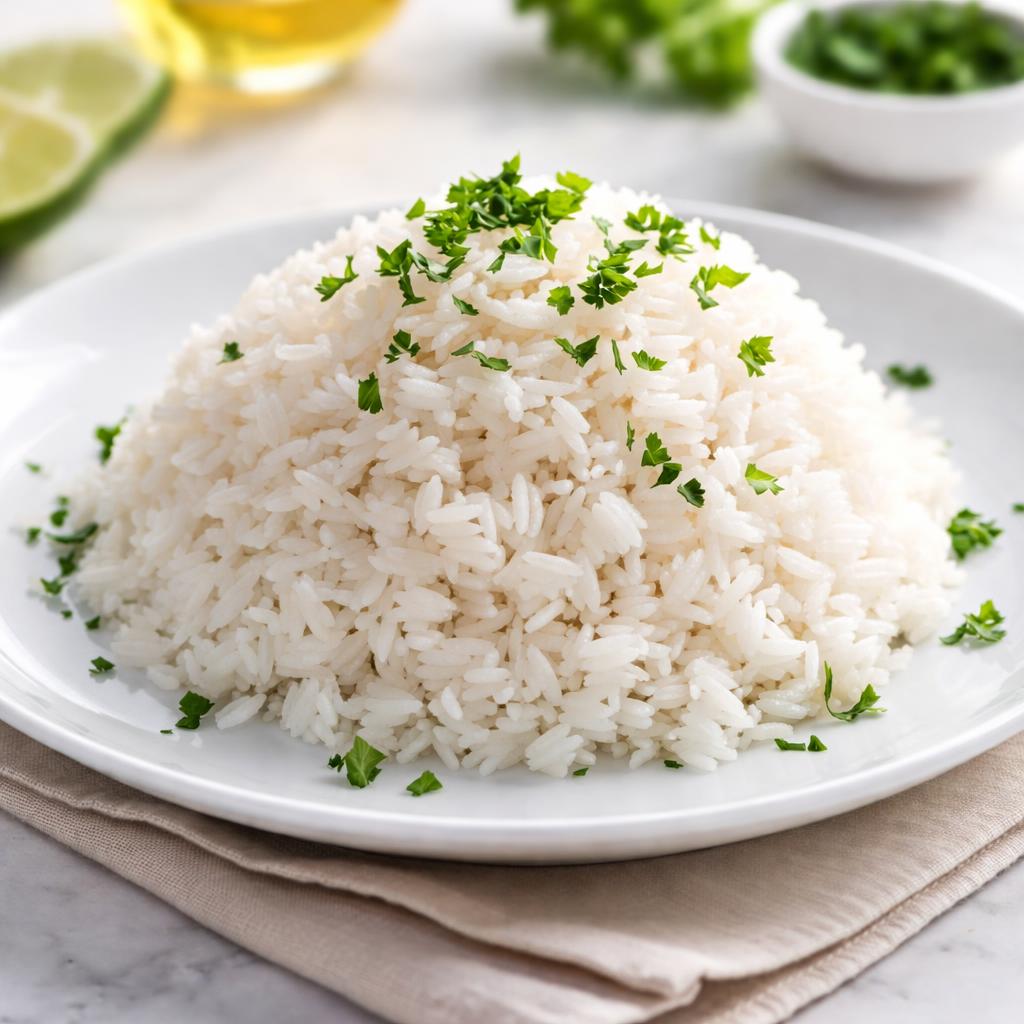
Rice
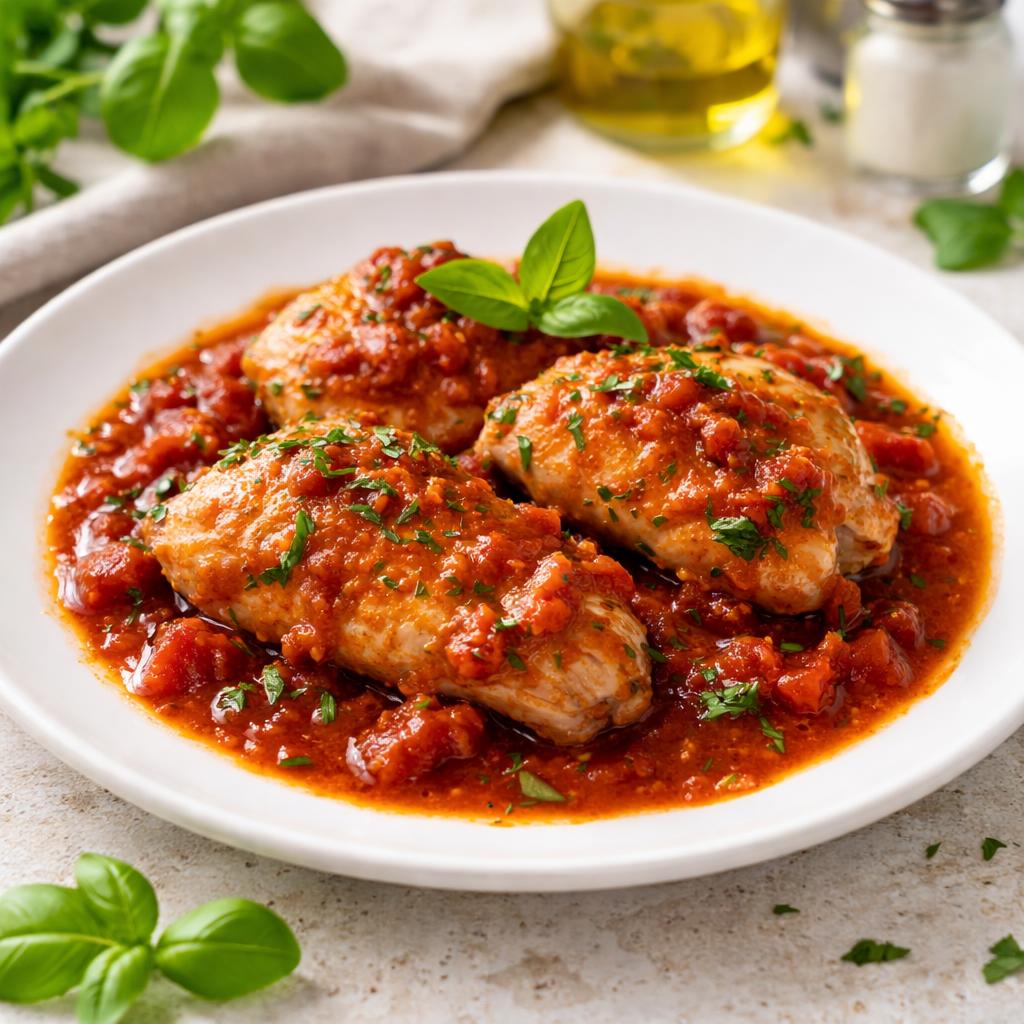
Chicken In Tomato Sauce
🎯 Quick Verdict
Chicken in tomato sauce surpasses rice in protein content, making it the better choice for a high-protein meal or post-workout recovery. Rice, however, is lower in calories and provides more fiber, making it suitable for weight management and digestion. Both foods work well in various diets, but their use depends on individual dietary goals.

Smart Nutrition Tracking with SnapCalorie

📊 Nutritional Comparison
Macronutrients
| Nutrient | Food 1 | Food 2 | Winner |
|---|---|---|---|
| Calories | 206 kcal (1 cup cooked) | 160 kcal (1 cup) | ✓ |
| Protein | 4.3g | 13g | ✓ |
| Carbs | 44g | 7g | ✓ |
| Fat | 0.4g | 7g | ✓ |
| Fiber | 0.6g | 0.5g | ✓ |
Vitamins & Minerals
| Nutrient | Food 1 | Food 2 | Winner |
|---|---|---|---|
| Vitamin A | 0 mcg | 300 mcg | ✓ |
| Vitamin C | 0 mg | 7 mg | ✓ |
| Iron | 0.2 mg | 1.5 mg | ✓ |
🏆 Category Winners
Protein
Chicken in tomato sauce contains 3x more protein than rice.
Fiber
Rice slightly edges out chicken in tomato sauce with 0.1g more fiber per cup.
Calories
Chicken in tomato sauce has fewer calories per serving compared to rice.
Vitamins
Chicken in tomato sauce provides higher Vitamin A, C, and Iron than rice.
🥗 Diet Compatibility
Keto
Food 1: Not Compatible
Food 2: Compatible
Chicken in tomato sauce is low in carbs, whereas rice is carb-dense.
Vegan
Food 1: Compatible
Food 2: Not Compatible
Rice is plant-based; chicken is not vegan.
Gluten Free
Food 1: Compatible
Food 2: Compatible
Neither food contains gluten.
Paleo
Food 1: Not Compatible
Food 2: Compatible
Rice is a grain, not paleo-approved; chicken in tomato sauce is paleo-compliant.
Low Carb
Food 1: Not Compatible
Food 2: Compatible
Rice is too high in carbs for low-carb diets.
💪 Health Benefits Comparison
Food 1 Benefits
- Source of quick energy due to high carbohydrate content
- Low in fat, ideal for low-fat diets
- Provides small amounts of B vitamins for energy metabolism
Food 2 Benefits
- Rich in protein to support muscle growth and repair
- Contains Vitamin C for immune health
- Provides Vitamin A for better vision and skin health
- Iron content supports healthy oxygen transport in the body
✅ The Bottom Line
Choose chicken in tomato sauce for a protein-rich, nutrient-dense meal beneficial for muscle recovery, heart health, and immunity. Opt for rice for a low-calorie, high-carb base suitable for energy and digestion-focused diets.
Choose Food 1 for: Weight management, high-carb energy meals, quick digestion
Choose Food 2 for: Muscle recovery, immunity boost, nutrient-rich meals


