Rice VS Asiago Cheese
A detailed nutritional comparison
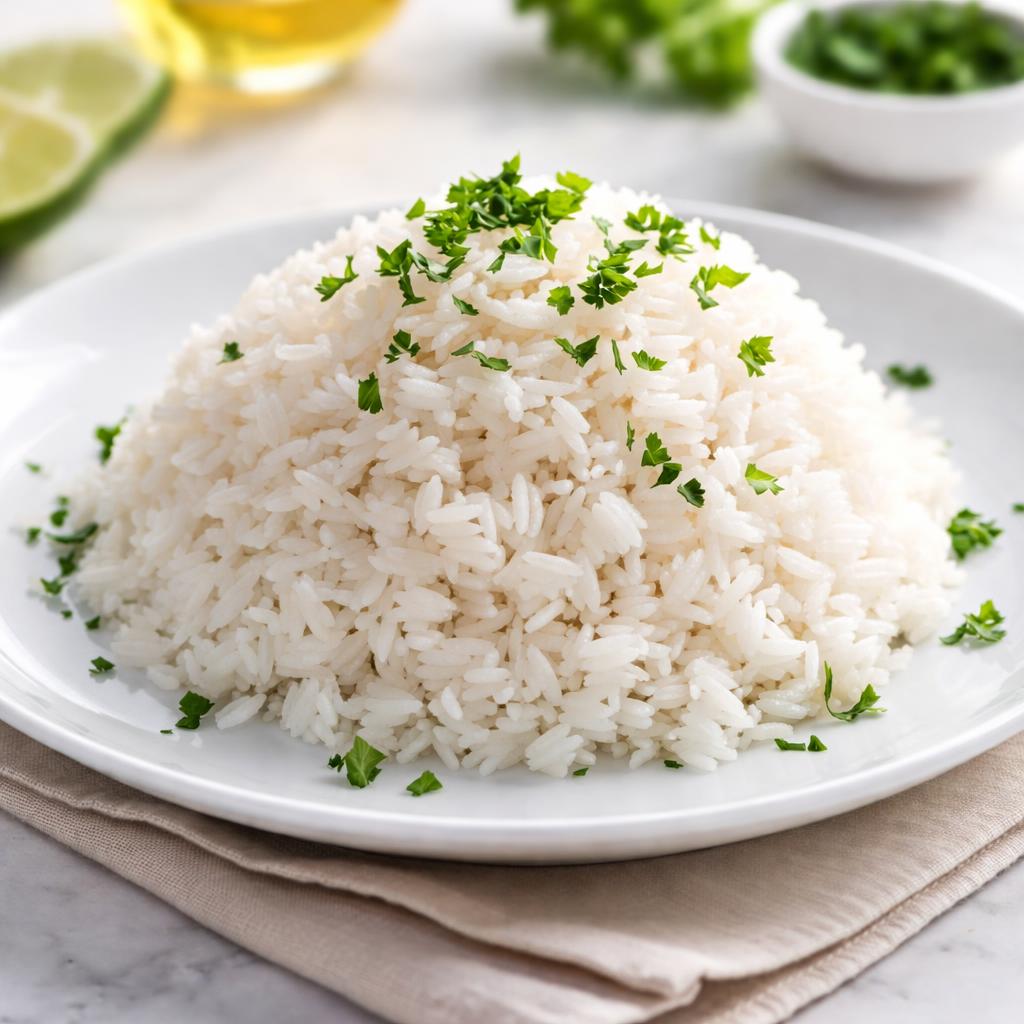
Rice
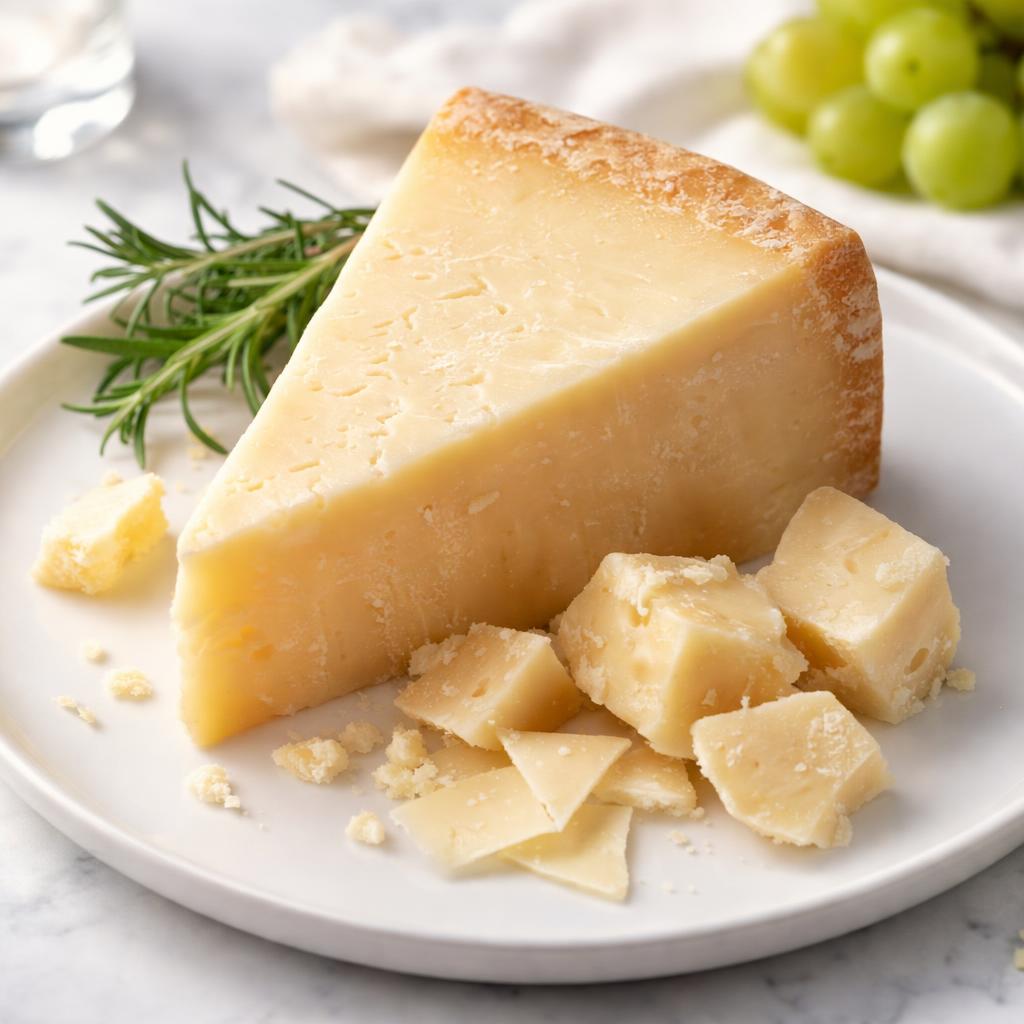
Asiago Cheese
🎯 Quick Verdict
Rice is a low-fat, high-carb food ideal for energy needs and gluten-free diets, while Asiago cheese is rich in protein, calcium, and healthy fats but higher in calories. Rice is suited for vegan and low-fat diets, whereas Asiago cheese is better for keto, paleo, and high-protein diets.

Smart Nutrition Tracking with SnapCalorie

📊 Nutritional Comparison
Macronutrients
| Nutrient | Food 1 | Food 2 | Winner |
|---|---|---|---|
| Calories | 130 (per 1 cup cooked) | 110 (per 1 ounce) | ✓ |
| Protein | 2.7g (per 1 cup cooked) | 7g (per 1 ounce) | ✓ |
| Carbs | 28g (per 1 cup cooked) | 1g (per 1 ounce) | ✓ |
| Fat | 0.3g (per 1 cup cooked) | 9g (per 1 ounce) | ✓ |
| Fiber | 0.4g (per 1 cup cooked) | 0g (per 1 ounce) | ✓ |
Vitamins & Minerals
| Nutrient | Food 1 | Food 2 | Winner |
|---|---|---|---|
| Vitamin D | 0mcg | 0.4mcg | ✓ |
| Calcium | 10mg | 200mg | ✓ |
| Iron | 0.2mg | 0mg | ✓ |
🏆 Category Winners
Protein
Asiago cheese has almost 3 times more protein per serving compared to rice.
Fiber
Rice contains fiber, while Asiago cheese has none.
Calories
Rice provides fewer calories per serving compared to Asiago cheese.
Vitamins
Asiago cheese is significantly higher in calcium and contains vitamin D, which rice lacks.
🥗 Diet Compatibility
Keto
Food 1: Not Compatible
Food 2: Compatible
Asiago cheese is low-carb and high-fat, while rice is high-carb.
Vegan
Food 1: Compatible
Food 2: Not Compatible
Rice is plant-based, whereas Asiago cheese is an animal product.
Gluten Free
Food 1: Compatible
Food 2: Compatible
Neither rice nor Asiago cheese contains gluten.
Paleo
Food 1: Not Compatible
Food 2: Compatible
Asiago cheese fits into most paleo diets, but rice does not due to its grain composition.
Low-Carb
Food 1: Not Compatible
Food 2: Compatible
Rice is high in carbs, while Asiago cheese has negligible carbs.
💪 Health Benefits Comparison
Food 1 Benefits
- Good source of energy due to high carbohydrate content
- Low fat and cholesterol-free, supporting heart health
- Naturally gluten-free, suitable for celiac-friendly diets
Food 2 Benefits
- High protein content supports muscle repair and maintenance
- Rich in calcium for bone health
- Contains healthy fats that provide long-lasting energy
✅ The Bottom Line
Choose rice if you need an affordable, versatile low-fat carb source for energy, vegan recipes, or gluten-free dishes. Opt for Asiago cheese if you're prioritizing protein, calcium, and a keto-friendly food with rich flavor.
Choose Food 1 for: Energy needs, vegan meals, low-fat diets
Choose Food 2 for: Protein-rich diets, keto meals, bone health


