Rice Porridge VS Multi Grain Bread
A detailed nutritional comparison
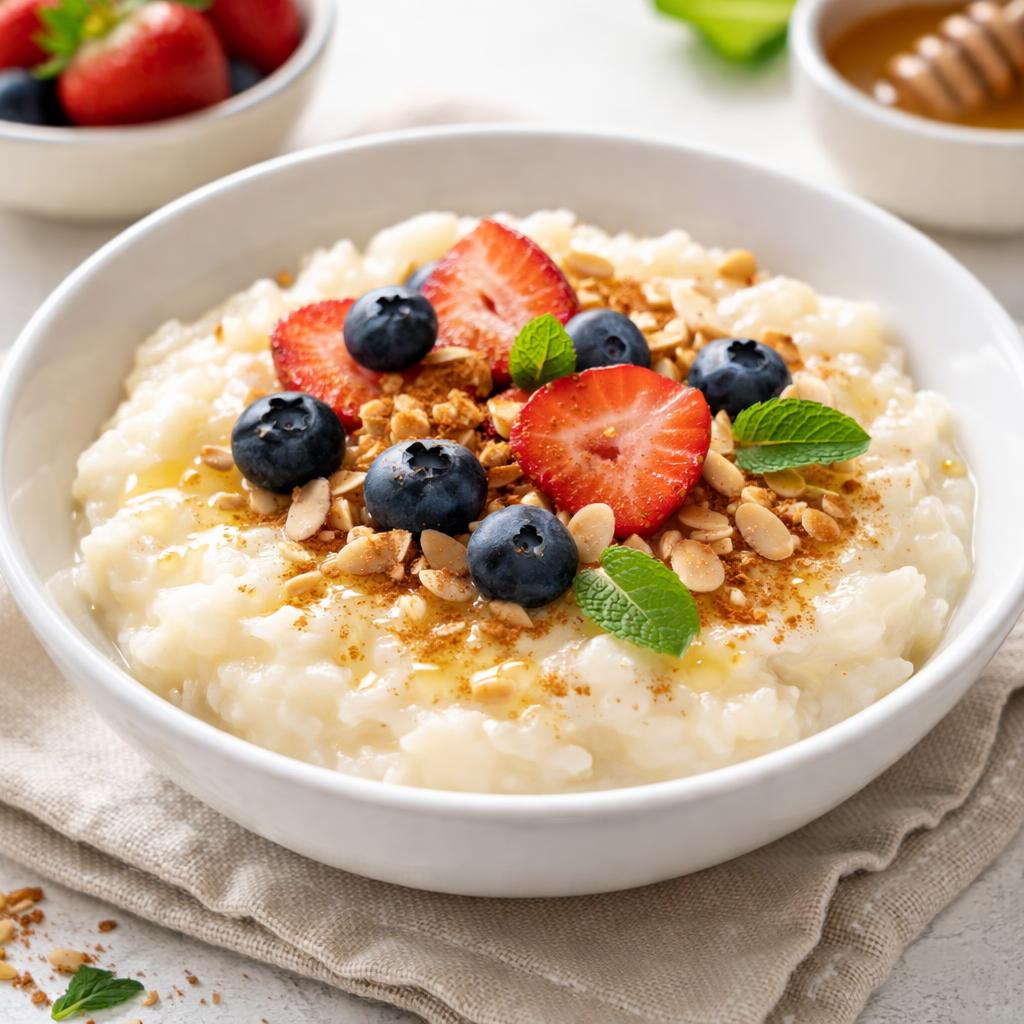
Rice Porridge
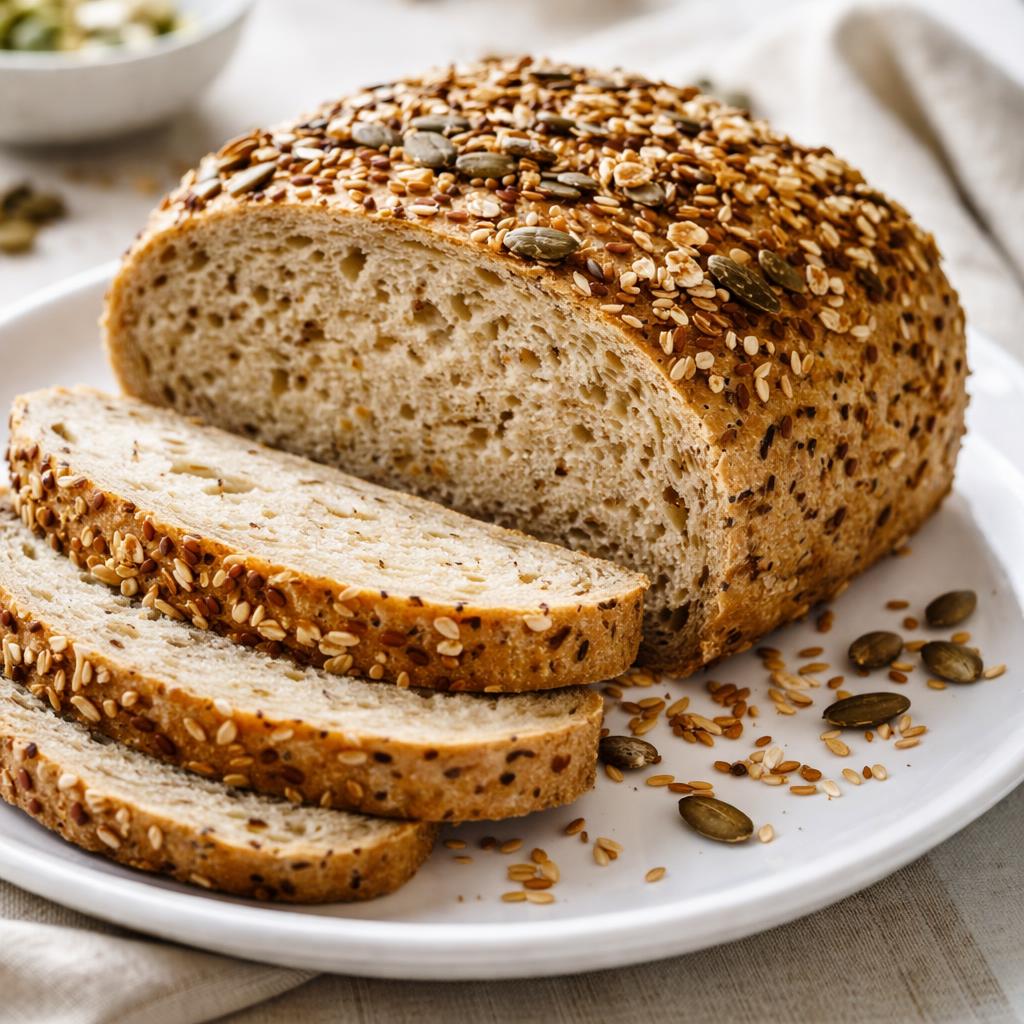
Multi Grain Bread
🎯 Quick Verdict
Multi-grain bread is nutritionally denser, offering more protein, fiber, and vitamins than rice porridge, though rice porridge is lower in calories. Rice porridge is best for light meals or energy recovery, while multi-grain bread is ideal for balanced nutrition and sustained energy during the day.

Smart Nutrition Tracking with SnapCalorie

📊 Nutritional Comparison
Macronutrients
| Nutrient | Food 1 | Food 2 | Winner |
|---|---|---|---|
| Calories | 120 | 240 | ✓ |
| Protein | 2g | 8g | ✓ |
| Carbs | 25g | 40g | ✓ |
| Fat | 0.3g | 3g | ✓ |
| Fiber | 0.5g | 4g | ✓ |
Vitamins & Minerals
| Nutrient | Food 1 | Food 2 | Winner |
|---|---|---|---|
| Vitamin B6 | 0.1mg | 0.2mg | ✓ |
| Iron | 0.2mg | 1.5mg | ✓ |
| Magnesium | 5mg | 60mg | ✓ |
🏆 Category Winners
Protein
Multi-grain bread contains 4x more protein per serving.
Fiber
Multi-grain bread provides 8x more fiber per serving.
Calories
Rice porridge is significantly lower in calories.
Vitamins
Multi-grain bread is richer in vitamins and minerals, especially iron and magnesium.
🥗 Diet Compatibility
Keto
Food 1: Not Compatible
Food 2: Not Compatible
Both are high in carbs.
Vegan
Food 1: Compatible
Food 2: Compatible
Both contain no animal products.
Gluten Free
Food 1: Compatible
Food 2: Not Compatible
Rice porridge is gluten-free, but multi-grain bread contains gluten.
Paleo
Food 1: Compatible
Food 2: Not Compatible
Rice porridge meets paleo standards, while multi-grain bread does not.
Low-Carb
Food 1: Not Compatible
Food 2: Not Compatible
Both are moderate to high in carbs.
💪 Health Benefits Comparison
Food 1 Benefits
- Low in calories, great for weight control
- Easy to digest, ideal for recovery meals
- Gluten-free, suitable for sensitive digestive systems
Food 2 Benefits
- High in fiber, supports gut and heart health
- Rich in plant-based protein for muscle development
- Good source of essential minerals like magnesium and iron
✅ The Bottom Line
For a nutrient-dense option, choose multi-grain bread which is higher in protein, fiber, and vitamins. Rice porridge is a lighter meal option, ideal for those seeking low-calorie, easily digestible food.
Choose Food 1 for: Weight control, digestive sensitivity, paleo diets
Choose Food 2 for: Balanced nutrition, sustained energy, heart health


