Rice Cakes VS Rice Krispie Treat
A detailed nutritional comparison
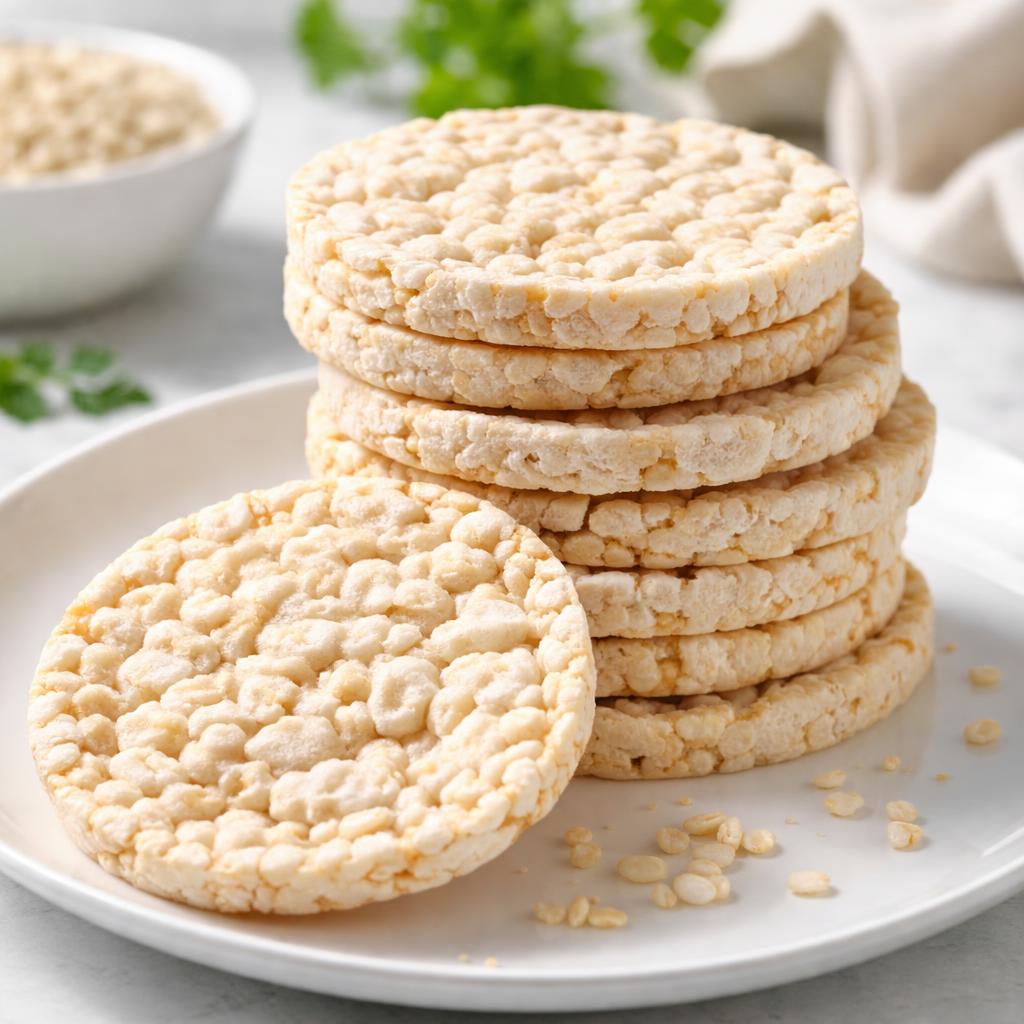
Rice Cakes
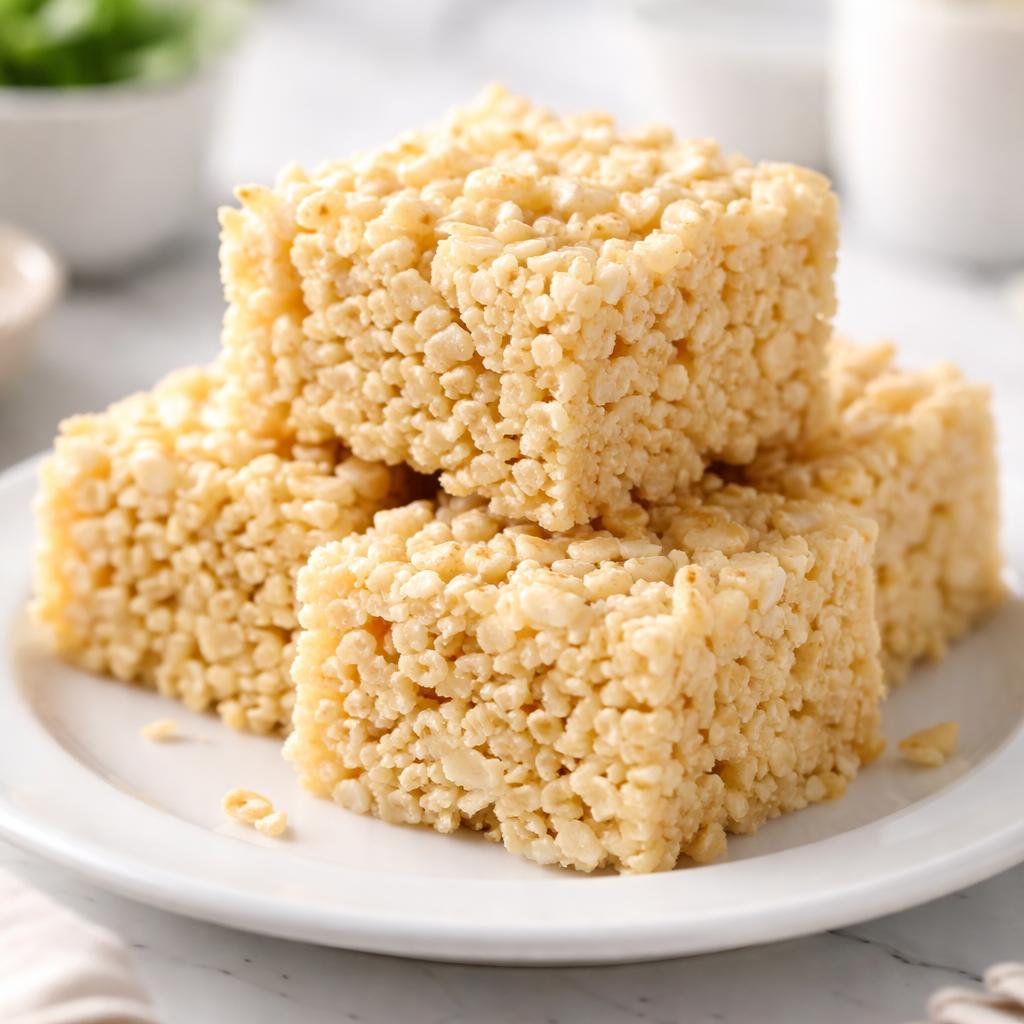
Rice Krispie Treat
🎯 Quick Verdict
Rice cakes are lower in calories and higher in fiber compared to rice krispie treats, making them more suitable for weight management and digestive health. Rice krispie treats, on the other hand, are higher in sugar and can serve as a quick energy boost or indulgent treat in moderation.

Smart Nutrition Tracking with SnapCalorie

📊 Nutritional Comparison
Macronutrients
| Nutrient | Food 1 | Food 2 | Winner |
|---|---|---|---|
| Calories | 35 | 90 | ✓ |
| Protein | 1g | 1g | − |
| Carbs | 7g | 17g | ✓ |
| Fat | 0g | 2g | ✓ |
| Fiber | 0.3g | 0g | ✓ |
Vitamins & Minerals
| Nutrient | Food 1 | Food 2 | Winner |
|---|---|---|---|
| Vitamin D | 0mcg | 0mcg | − |
| Calcium | 0mg | 2mg | ✓ |
| Iron | 0.1mg | 0.1mg | − |
🏆 Category Winners
Protein
Both foods provide 1g of protein per serving, which is minimal.
Fiber
Rice cakes offer slightly more fiber than rice krispie treats.
Calories
Rice cakes have fewer calories per serving, making them better for weight-conscious consumers.
Vitamins
Rice krispie treats provide a small amount of calcium that rice cakes lack.
🥗 Diet Compatibility
Keto
Food 1: Not Compatible
Food 2: Not Compatible
Both are high-carb and unsuitable for keto diets.
Vegan
Food 1: Compatible
Food 2: Not Compatible
Rice krispie treats typically contain marshmallows, which may have animal-based gelatin.
Gluten Free
Food 1: Compatible
Food 2: Not Compatible
Rice cakes are made from rice, while rice krispie treats often include malt flavoring, which can contain gluten.
Paleo
Food 1: Not Compatible
Food 2: Not Compatible
Both foods are processed and contain non-paleo ingredients.
Low Carb
Food 1: Not Compatible
Food 2: Not Compatible
Both foods are relatively high in carbohydrates per serving.
💪 Health Benefits Comparison
Food 1 Benefits
- Low in calories, ideal for weight management
- Slightly higher fiber content supports digestive health
- Simple ingredients make it minimally processed
Food 2 Benefits
- Provides quick energy due to high carbohydrate content
- Calcium content may support bone health
- Sweet taste makes it a satisfying occasional treat
✅ The Bottom Line
Rice cakes are a better choice for those focused on weight management, digestive health, and clean eating. Rice krispie treats are best for quick energy or dessert on occasion due to their higher sugar and calorie content.
Choose Food 1 for: Low-calorie snacking, pairing with healthy dips, weight management
Choose Food 2 for: Quick energy boosts, sugar cravings, occasional indulgence


