Ramen Noodles VS Stir Fry Noodles
A detailed nutritional comparison
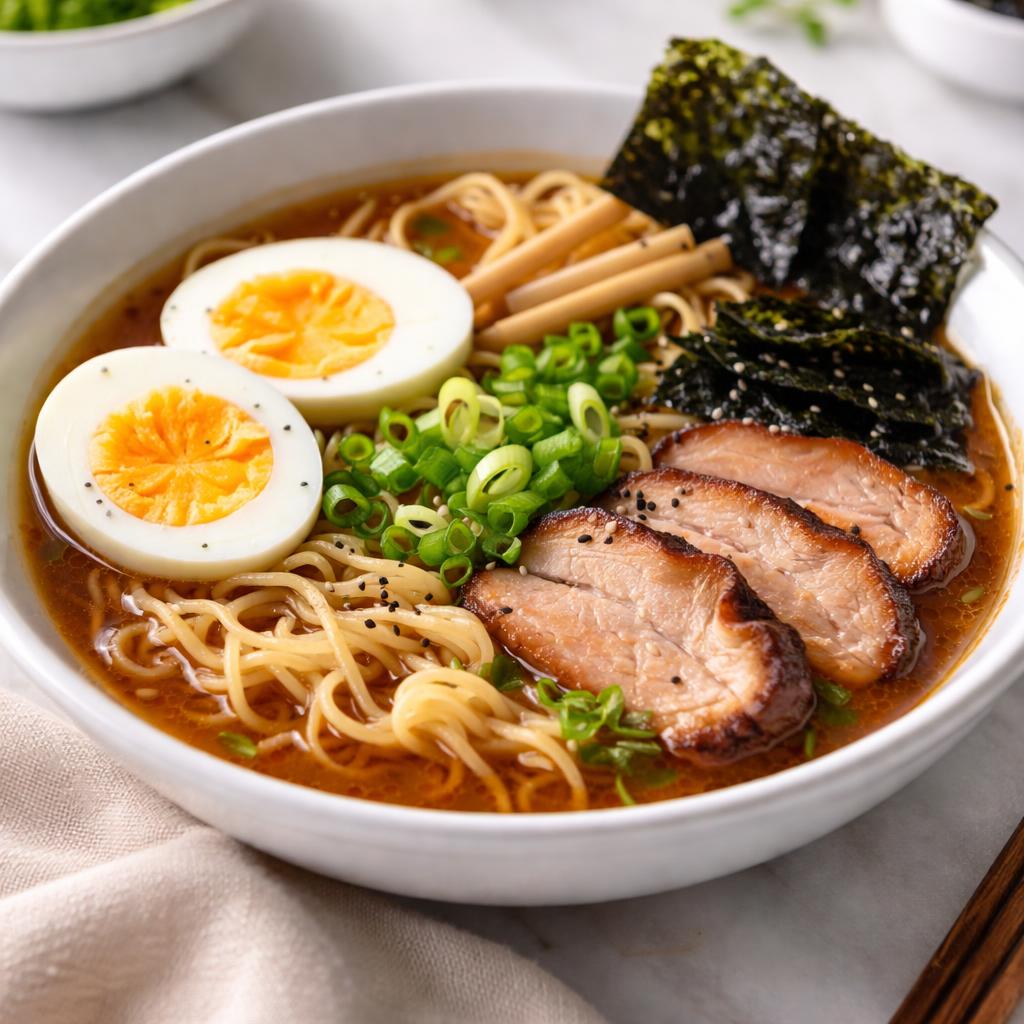
Ramen Noodles
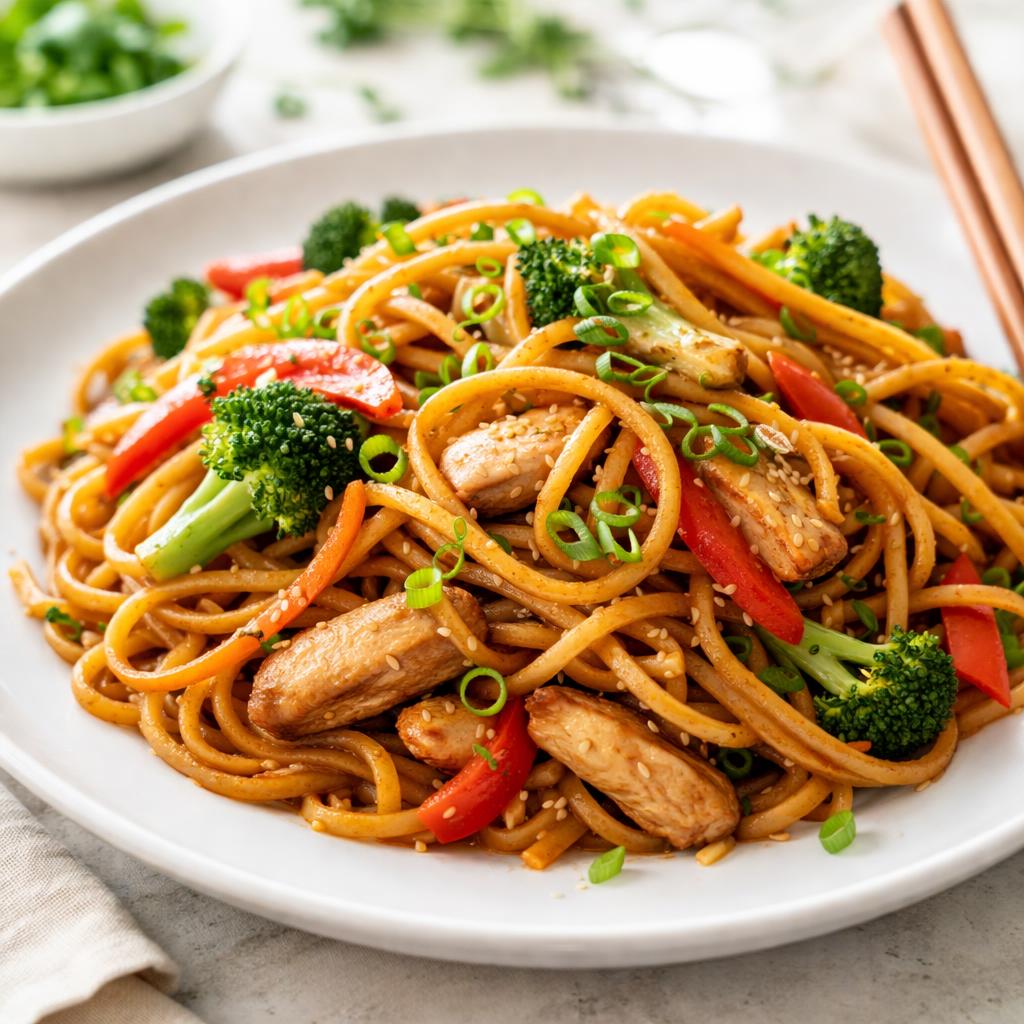
Stir Fry Noodles
🎯 Quick Verdict
Ramen noodles are higher in carbs and sodium, making them less suitable for weight management. Stir fry noodles, depending on preparation, tend to offer more protein and fiber with similar calorie levels. Stir fry noodles are more versatile and nutrient-dense, especially when paired with vegetables and lean protein.

Smart Nutrition Tracking with SnapCalorie

📊 Nutritional Comparison
Macronutrients
| Nutrient | Food 1 | Food 2 | Winner |
|---|---|---|---|
| Calories | 190 | 190 | − |
| Protein | 5g | 7g | − |
| Carbs | 27g | 24g | − |
| Fat | 7g | 10g | − |
| Fiber | 1g | 3g | − |
Vitamins & Minerals
| Nutrient | Food 1 | Food 2 | Winner |
|---|---|---|---|
| Vitamin A | 0mcg | 50mcg | − |
| Vitamin C | 0mg | 2mg | − |
| Iron | 1mg | 1.5mg | − |
| Calcium | 3mg | 10mg | − |
| Sodium | 800mg | 400mg | − |
🏆 Category Winners
Protein
Stir fry noodles contain 40% more protein per serving.
Fiber
Stir fry noodles provide 3x more fiber than ramen noodles.
Calories
Both options have identical calorie content, approximately 190 calories per serving.
Vitamins
Stir fry noodles contain higher levels of essential vitamins and minerals such as Vitamin A, C, and iron.
🥗 Diet Compatibility
Keto
Food 1: Not Compatible
Food 2: Not Compatible
Both foods are high in carbs and not suitable for keto diets.
Vegan
Food 1: Compatible
Food 2: Compatible
Both can be made with plant-based ingredients.
Gluten Free
Food 1: Not Compatible
Food 2: Not Compatible
Both typically contain wheat-based noodles and are not gluten-free.
Paleo
Food 1: Not Compatible
Food 2: Not Compatible
Neither fits paleo guidelines due to processed wheat noodles.
Low Carb
Food 1: Not Compatible
Food 2: Not Compatible
Both are high in carbohydrates and not suitable for low-carb diets.
💪 Health Benefits Comparison
Food 1 Benefits
- Convenient and quick to prepare
- Energy-dense for active lifestyles
- Contains moderate levels of iron
Food 2 Benefits
- Higher protein for muscle repair
- Rich in fiber for improved digestion
- Lower sodium content supports heart health
✅ The Bottom Line
Stir fry noodles are nutritionally superior due to higher fiber, protein, vitamins, and lower sodium, but ramen noodles can be a convenient option for quick meals. Stir fry noodles are ideal for balanced, nutrient-dense meals, particularly when cooked with vegetables and lean protein.
Choose Food 1 for: Budget-friendly quick meals, snack food, time-strapped individuals
Choose Food 2 for: Health-conscious individuals, balanced meal preparation, post-workout meals


