Ramen Noodles VS Keto Bread
A detailed nutritional comparison
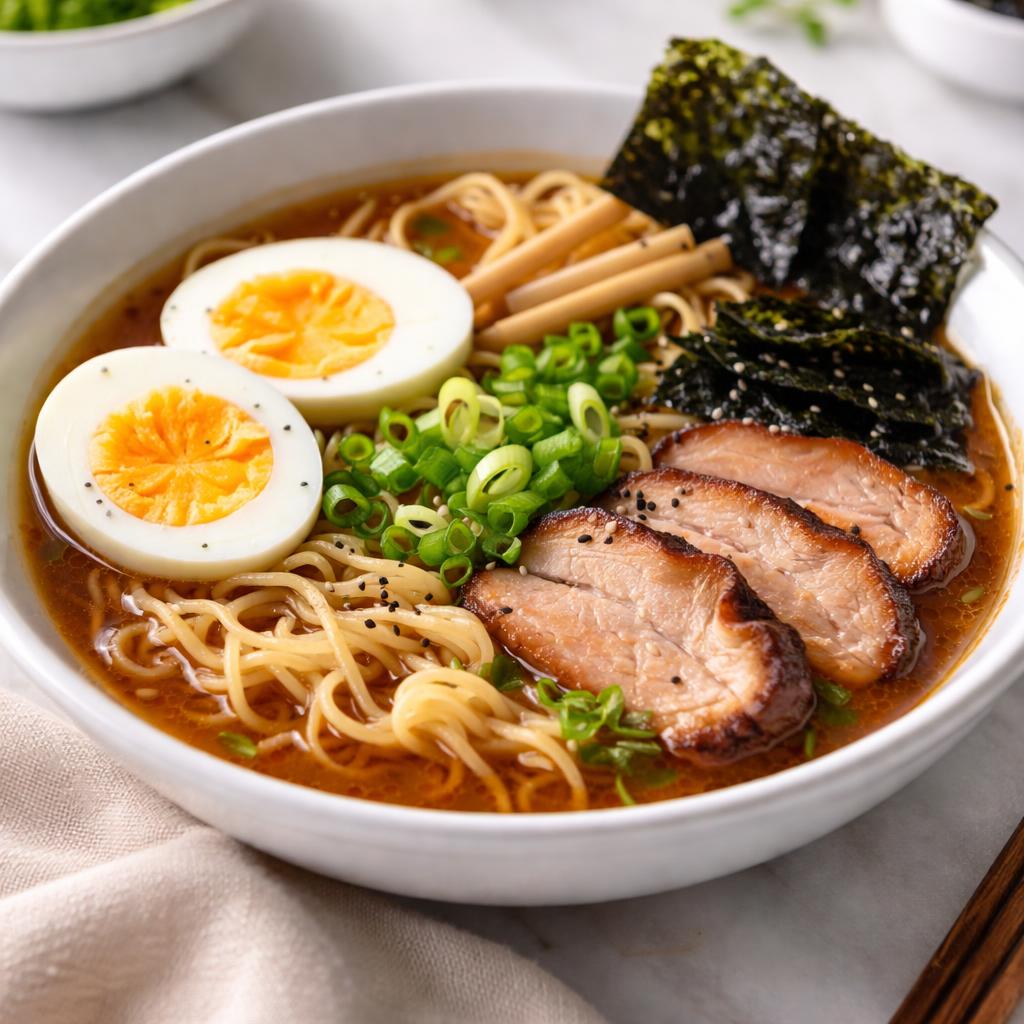
Ramen Noodles
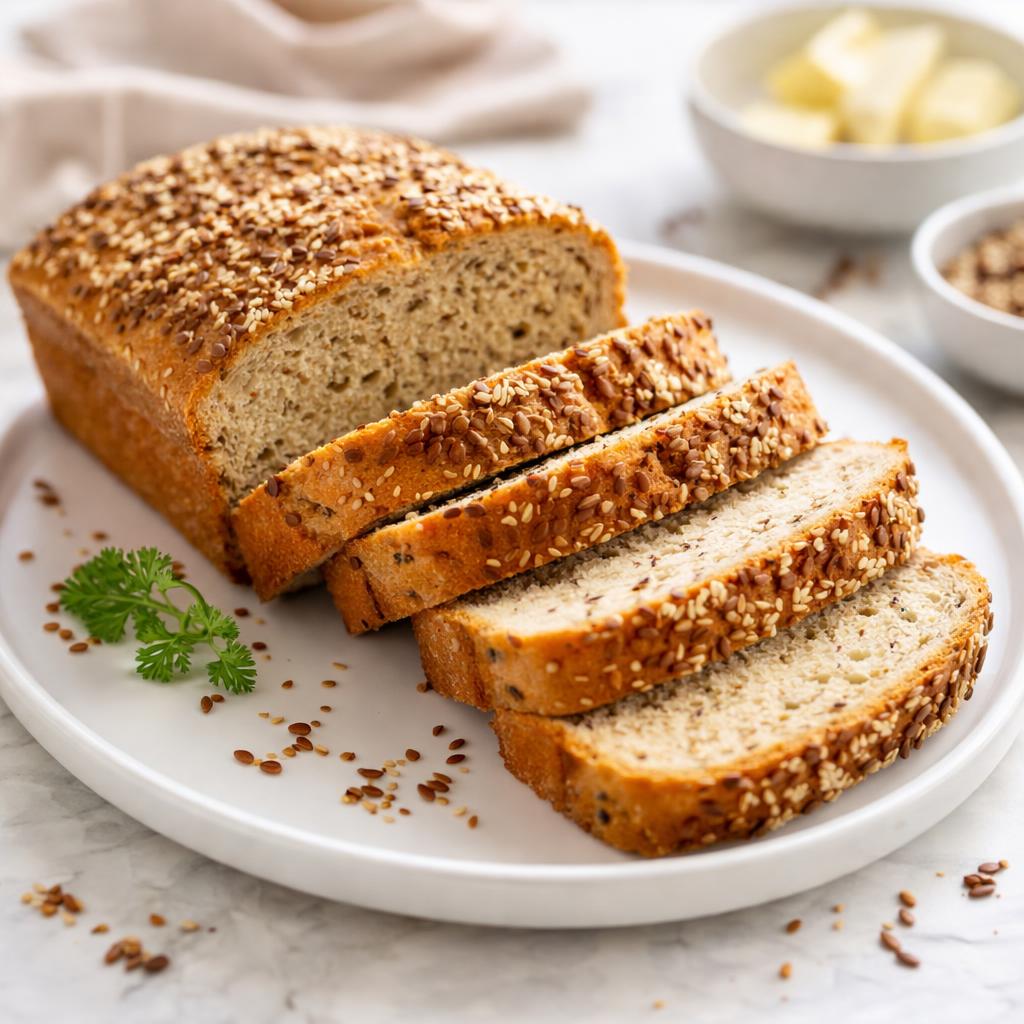
Keto Bread
🎯 Quick Verdict
Keto bread is a more nutrient-dense choice compared to ramen noodles. It offers higher protein and fiber, fewer calories, and is compatible with dietary approaches like keto and gluten-free. Ramen noodles are higher in carbohydrates and provide quick energy but lack nutritional density, making them less ideal for low-carb diets and health-focused eating plans.

Smart Nutrition Tracking with SnapCalorie

📊 Nutritional Comparison
Macronutrients
| Nutrient | Food 1 | Food 2 | Winner |
|---|---|---|---|
| Calories | 190 | 90 | ✓ |
| Protein | 5g | 8g | ✓ |
| Carbs | 27g | 5g | ✓ |
| Fat | 7g | 4g | ✓ |
| Fiber | 1g | 6g | ✓ |
Vitamins & Minerals
| Nutrient | Food 1 | Food 2 | Winner |
|---|---|---|---|
| Vitamin D | 0mcg | 1mcg | ✓ |
| Calcium | 20mg | 200mg | ✓ |
| Iron | 2mg | 3mg | ✓ |
🏆 Category Winners
Protein
Keto bread provides 60% more protein per serving.
Fiber
Keto bread has 6x more fiber than ramen noodles.
Calories
Keto bread has less than half the calories of ramen noodles.
Vitamins
Keto bread contains more calcium, iron, and provides Vitamin D, which ramen noodles lack.
🥗 Diet Compatibility
Keto
Food 1: Not Compatible
Food 2: Compatible
Keto bread is low-carb (5g per serving), while ramen noodles are high-carb (27g per serving).
Vegan
Food 1: Compatible
Food 2: Compatible
Both can fit into vegan diets, depending on the brand or recipe.
Gluten Free
Food 1: Not Compatible
Food 2: Compatible
Ramen noodles typically contain wheat, while keto bread can be made gluten-free.
Paleo
Food 1: Not Compatible
Food 2: Conditionally Compatible
Most keto bread recipes can be tweaked to fit paleo diets, whereas ramen noodles are processed and not paleo-friendly.
Low Carb
Food 1: Not Compatible
Food 2: Compatible
Keto bread is low-carb (5g per serving), whereas ramen noodles are high in carbs.
💪 Health Benefits Comparison
Food 1 Benefits
- Quick source of energy due to high carbohydrate content
- Affordable and convenient meal option
- Provides small amounts of iron
Food 2 Benefits
- Rich in dietary fiber for improved digestion
- High in protein for muscle maintenance and satiety
- Low in calories, supporting weight management
- Gluten-free and designed for low-carb diets
✅ The Bottom Line
Choose keto bread for a more nutritionally balanced option, especially when following keto, gluten-free, or low-carb diets. Ramen noodles may work for quick energy or convenience but are less ideal for weight management or nutrient density.
Choose Food 1 for: Quick meals, budget-friendly eating, high-energy needs
Choose Food 2 for: Low-carb lifestyles, weight loss, and nutrient-rich snacking


