Pasta VS Flat Bread
A detailed nutritional comparison
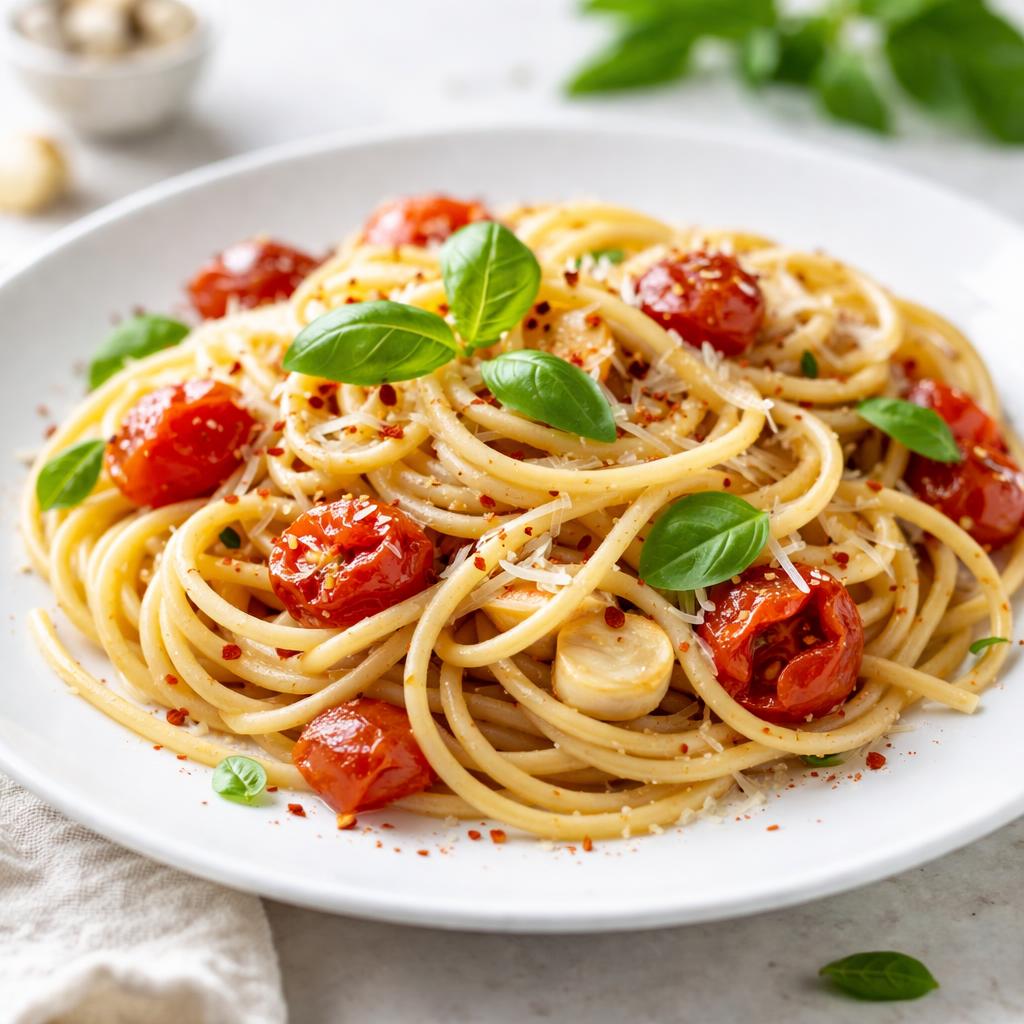
Pasta
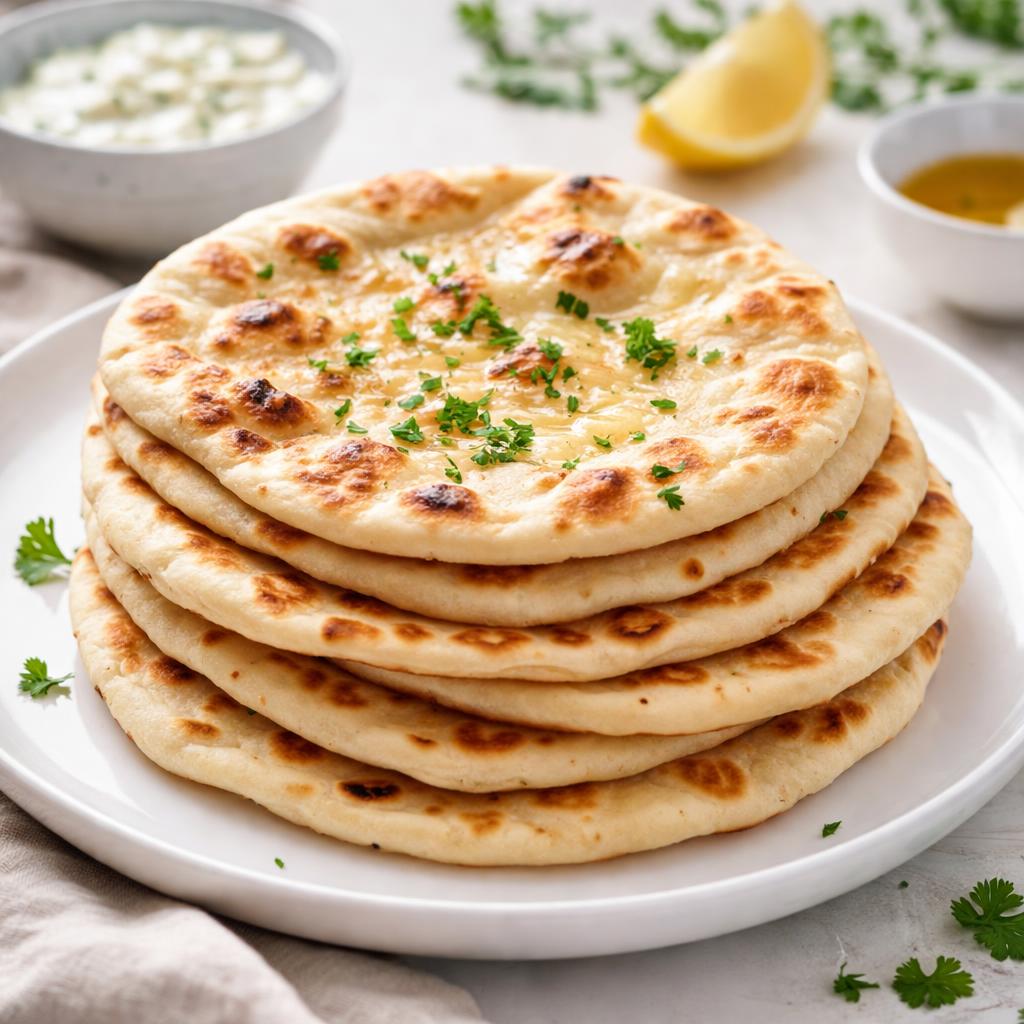
Flat Bread
🎯 Quick Verdict
Pasta and flat bread share some similarities but differ in key nutritional aspects. Pasta is higher in protein and offers more vitamins like iron and calcium. Flat bread is lower in calories and higher in fiber, making it a better choice for controlling calorie intake and gut health. Use pasta for energy-rich meals and flat bread for lighter options or in sandwiches and wraps.

Smart Nutrition Tracking with SnapCalorie

📊 Nutritional Comparison
Macronutrients
| Nutrient | Food 1 | Food 2 | Winner |
|---|---|---|---|
| Calories | 200 (per cup cooked) | 150 (per piece) | ✓ |
| Protein | 7g | 5g | ✓ |
| Carbs | 42g | 25g | ✓ |
| Fat | 1g | 5g | ✓ |
| Fiber | 2g | 3g | ✓ |
Vitamins & Minerals
| Nutrient | Food 1 | Food 2 | Winner |
|---|---|---|---|
| Vitamin D | 0mcg | 0mcg | − |
| Calcium | 20mg | 10mg | ✓ |
| Iron | 1.2mg | 0.5mg | ✓ |
🏆 Category Winners
Protein
Pasta has 40% more protein per serving than flat bread.
Fiber
Flat bread provides 50% more fiber per serving.
Calories
Flat bread is 25% lower in calories per serving.
🥗 Diet Compatibility
Keto
Food 1: Not Compatible
Food 2: Not Compatible
Both are high-carb foods.
Vegan
Food 1: Compatible
Food 2: Compatible
Both foods are made from plant-based ingredients.
Gluten Free
Food 1: Not Compatible
Food 2: Not Compatible
Both foods usually contain wheat gluten.
Paleo
Food 1: Not Compatible
Food 2: Not Compatible
Neither food aligns with paleo guidelines due to grains.
Low-Carb
Food 1: Not Compatible
Food 2: Partially Compatible
Flat bread has fewer carbs than pasta but still not ideal for strict low-carb diets.
💪 Health Benefits Comparison
Food 1 Benefits
- Higher protein content supports muscle repair and energy.
- Contains iron for improved oxygen transport and vitality.
- Low in fat, suitable for balanced and heart-healthy diets.
Food 2 Benefits
- High fiber content aids digestion and supports gut health.
- Lower calorie count makes it ideal for weight management.
- Versatile food option for quick meals.
✅ The Bottom Line
Choose pasta for higher protein and iron needs, especially post-workout meals or energy-rich dishes. Opt for flat bread when aiming for lower-calorie meals or as a high-fiber alternative for sandwiches and wraps.
Choose Food 1 for: Energy-rich meals, post-workout nutrition, vegetarian protein boosts.
Choose Food 2 for: Weight management, digestion, and light, on-the-go meals.


