Pasta VS Dirty Rice
A detailed nutritional comparison
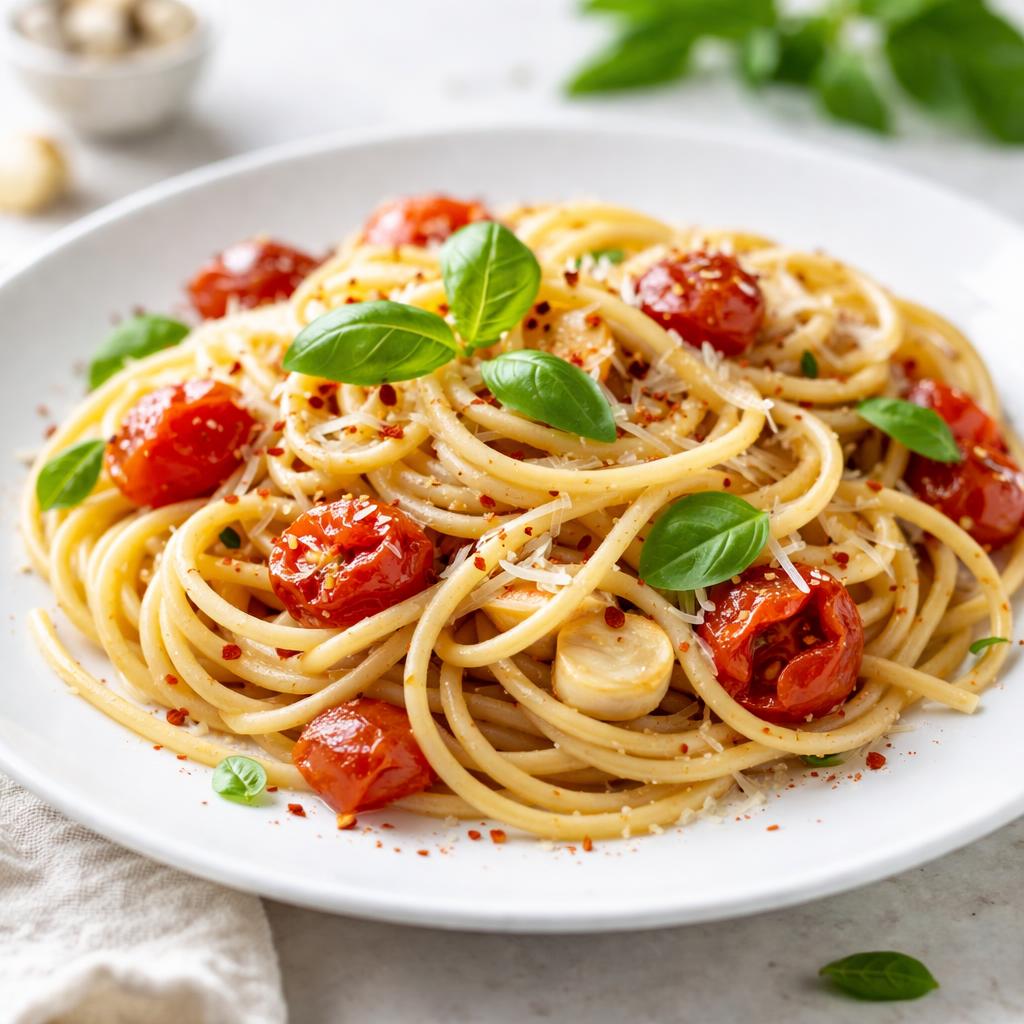
Pasta
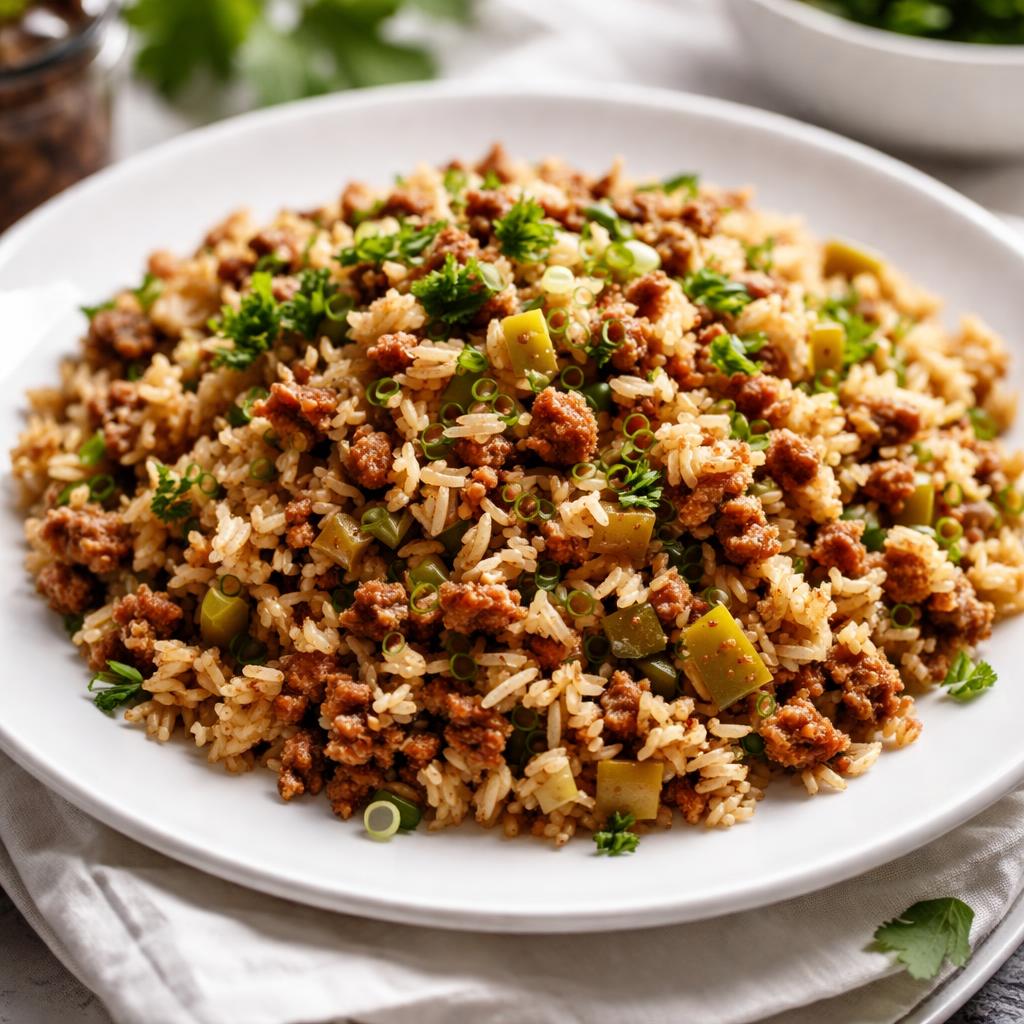
Dirty Rice
🎯 Quick Verdict
Dirty rice edges out pasta for overall nutrition due to higher protein content and a better range of vitamins and minerals. Pasta is lower in calories and provides more fiber, making it better suited for weight loss and digestive health. Both are versatile staples, but the choice depends on your dietary goals and preferences.

Smart Nutrition Tracking with SnapCalorie

📊 Nutritional Comparison
Macronutrients
| Nutrient | Food 1 | Food 2 | Winner |
|---|---|---|---|
| Calories | 210 | 360 | ✓ |
| Protein | 7g | 13g | ✓ |
| Carbs | 42g | 45g | ✓ |
| Fat | 1g | 16g | ✓ |
| Fiber | 2g | 1g | ✓ |
Vitamins & Minerals
| Nutrient | Food 1 | Food 2 | Winner |
|---|---|---|---|
| Vitamin D | 0mcg | 1mcg | ✓ |
| Calcium | 17mg | 50mg | ✓ |
| Iron | 1.5mg | 2mg | ✓ |
🏆 Category Winners
Protein
Dirty rice has nearly double the protein of pasta per serving.
Fiber
Pasta contains 100% more fiber compared to dirty rice.
Calories
Food1 is 42% lower in calories than food2.
Vitamins
Dirty rice provides higher amounts of vitamin D, calcium, and iron.
🥗 Diet Compatibility
Keto
Food 1: Not Compatible
Food 2: Not Compatible
Both foods are high in carbs and not suitable for ketogenic diets.
Vegan
Food 1: Compatible
Food 2: Not Compatible
Pasta is plant-based, but dirty rice typically includes animal products.
Gluten Free
Food 1: Not Compatible
Food 2: Compatible
Pasta usually contains wheat unless specifically labeled gluten-free; dirty rice is naturally gluten-free.
Paleo
Food 1: Not Compatible
Food 2: Not Compatible
Neither conforms to paleo guidelines as both include grains.
Low-Carb
Food 1: Not Compatible
Food 2: Not Compatible
Both foods are carbohydrate-heavy and unsuitable for low-carb diets.
💪 Health Benefits Comparison
Food 1 Benefits
- Low in calories for weight management
- Good source of fiber for digestive health
- Provides sustained energy from complex carbohydrates
Food 2 Benefits
- High protein content supports muscle repair
- Rich in essential minerals like calcium and iron
- Contains dietary fats for energy and nutrient absorption
✅ The Bottom Line
Pasta is ideal for those focused on low-calorie and high-fiber meals, particularly vegans. Dirty rice, with its higher protein and vitamin profile, is better suited for individuals needing nutrient-dense meals for muscle maintenance and sustained energy. Choose pasta for weight loss goals and dirty rice for heartier meals and protein needs.
Choose Food 1 for: Weight loss, vegan diets, digestion support
Choose Food 2 for: Muscle repair, nutrient density, post-workout meals


