Pasta VS Breaded Pork Cutlet
A detailed nutritional comparison
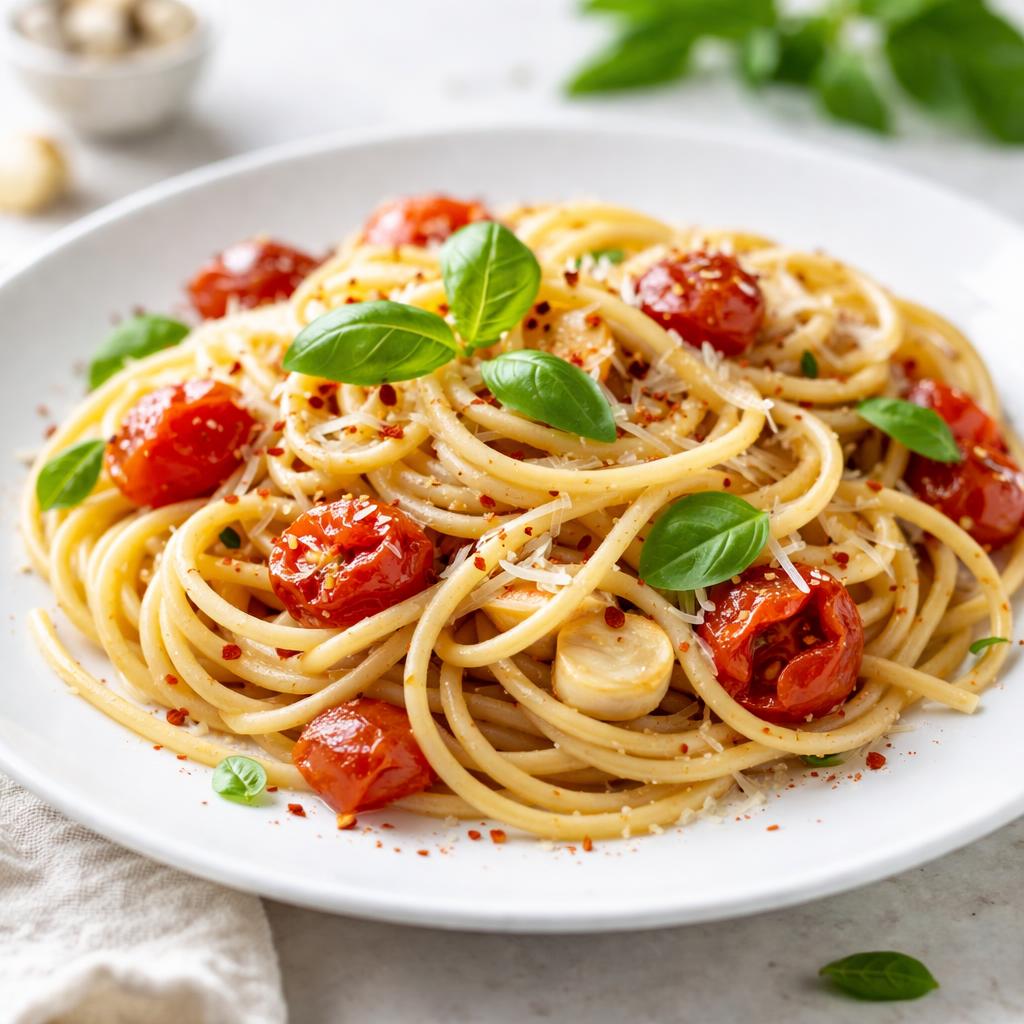
Pasta
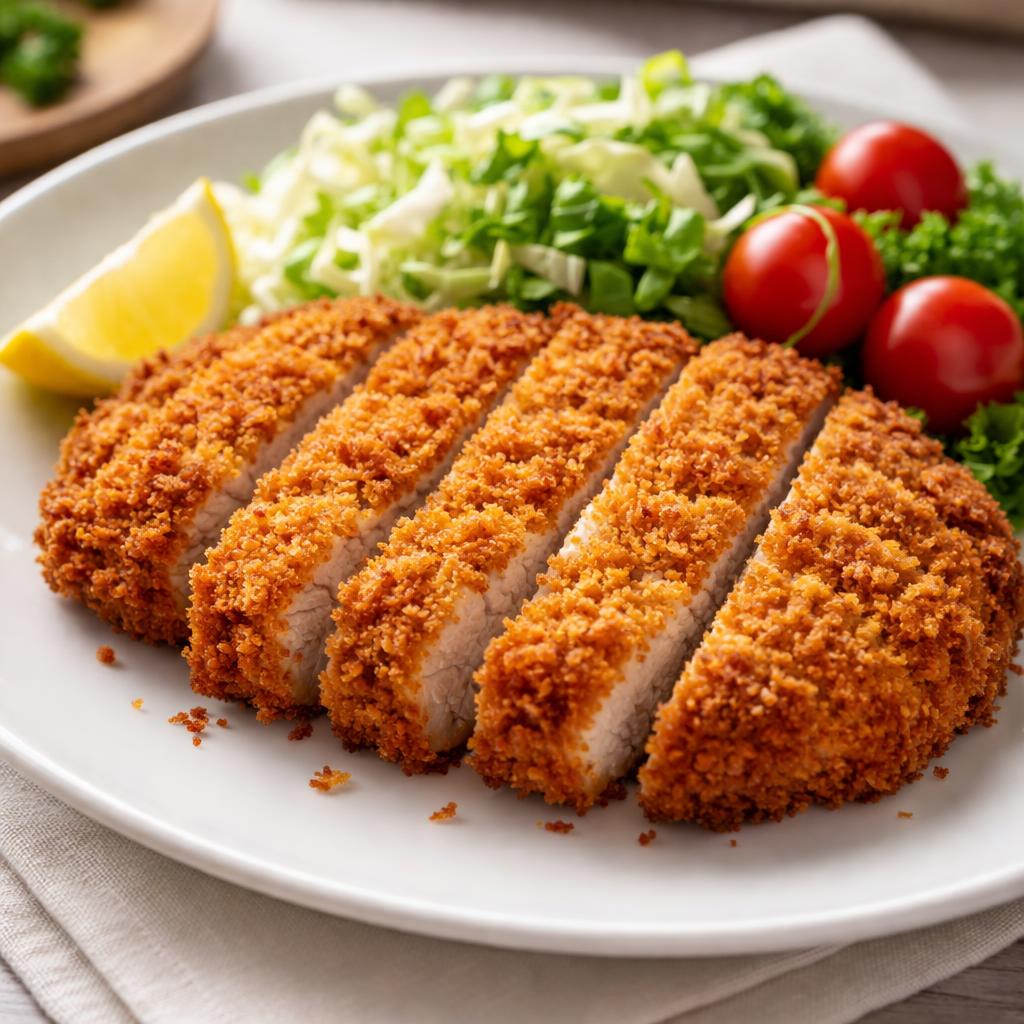
Breaded Pork Cutlet
🎯 Quick Verdict
Pasta is lower in calories and provides more fiber per serving, making it a better choice for weight management and digestion. Breaded pork cutlet wins for protein, making it ideal for muscle building and recovery. Pasta suits vegetarian diets, while pork cutlet delivers more nutrients for omnivorous diets.

Smart Nutrition Tracking with SnapCalorie

📊 Nutritional Comparison
Macronutrients
| Nutrient | Food 1 | Food 2 | Winner |
|---|---|---|---|
| Calories | 200 | 330 | ✓ |
| Protein | 7g | 25g | ✓ |
| Carbs | 40g | 15g | ✓ |
| Fat | 1g | 15g | ✓ |
| Fiber | 2g | 0g | ✓ |
Vitamins & Minerals
| Nutrient | Food 1 | Food 2 | Winner |
|---|---|---|---|
| Vitamin D | 0mcg | 1mcg | ✓ |
| Calcium | 10mg | 20mg | ✓ |
| Iron | 1mg | 1.5mg | ✓ |
🏆 Category Winners
Protein
Breaded pork cutlet provides over three times the protein per serving compared to pasta.
Fiber
Pasta has 2g of fiber per serving, while pork cutlet has negligible fiber.
Calories
Pasta contains 39% fewer calories per serving than breaded pork cutlet.
Vitamins
Breaded pork cutlet contains small but higher amounts of vitamin D, calcium, and iron compared to pasta.
🥗 Diet Compatibility
Keto
Food 1: Not Compatible
Food 2: Compatible
Pork cutlet is low-carb, while pasta is high in carbs.
Vegan
Food 1: Compatible
Food 2: Not Compatible
Pasta is plant-based, while pork cutlet is animal-derived.
Gluten Free
Food 1: Not Compatible
Food 2: Not Compatible
Pasta and breaded pork cutlet contain gluten unless specific gluten-free options are chosen.
Paleo
Food 1: Not Compatible
Food 2: Not Compatible
Pork cutlet is breaded, making it incompatible with paleo diets. Pasta is non-paleo as it is grain-based.
Low-Carb
Food 1: Not Compatible
Food 2: Compatible
Breaded pork cutlet is low-carb, while pasta is high in carbs.
💪 Health Benefits Comparison
Food 1 Benefits
- Low-calorie option for weight management
- Good source of fiber for digestion
- Provides sustained energy due to high carbohydrate content
Food 2 Benefits
- High in protein for muscle repair and growth
- Contains healthy fats contributing to heart health and energy
- Rich in essential minerals like iron and calcium
✅ The Bottom Line
Choose pasta for a low-calorie, fiber-rich option that supports weight management and vegetarian diets. Opt for breaded pork cutlet if you need a high-protein, nutrient-dense meal suitable for building muscle and maintaining energy levels.
Choose Food 1 for: Weight management, vegetarian diets, energy for endurance activities
Choose Food 2 for: Protein needs, muscle recovery, heart health


