Overnight Oats VS Plain Rice
A detailed nutritional comparison
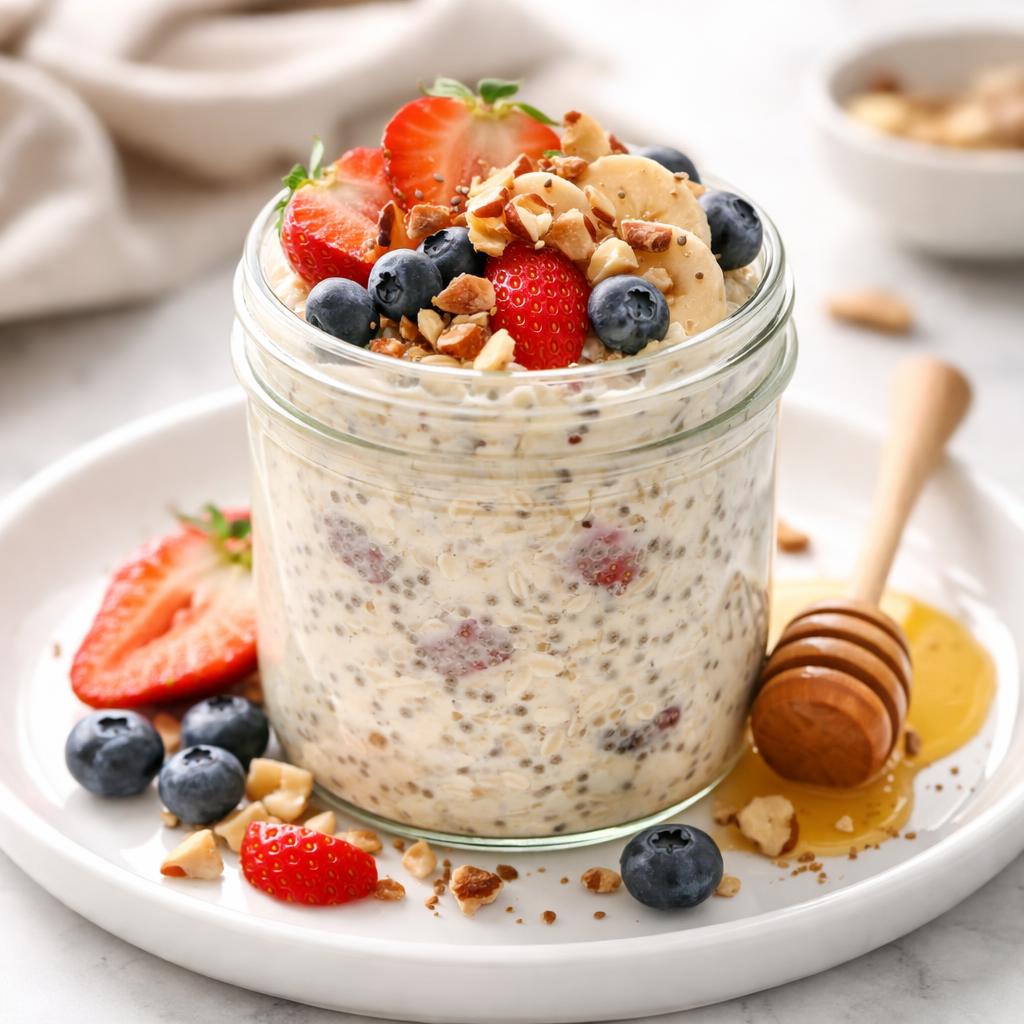
Overnight Oats
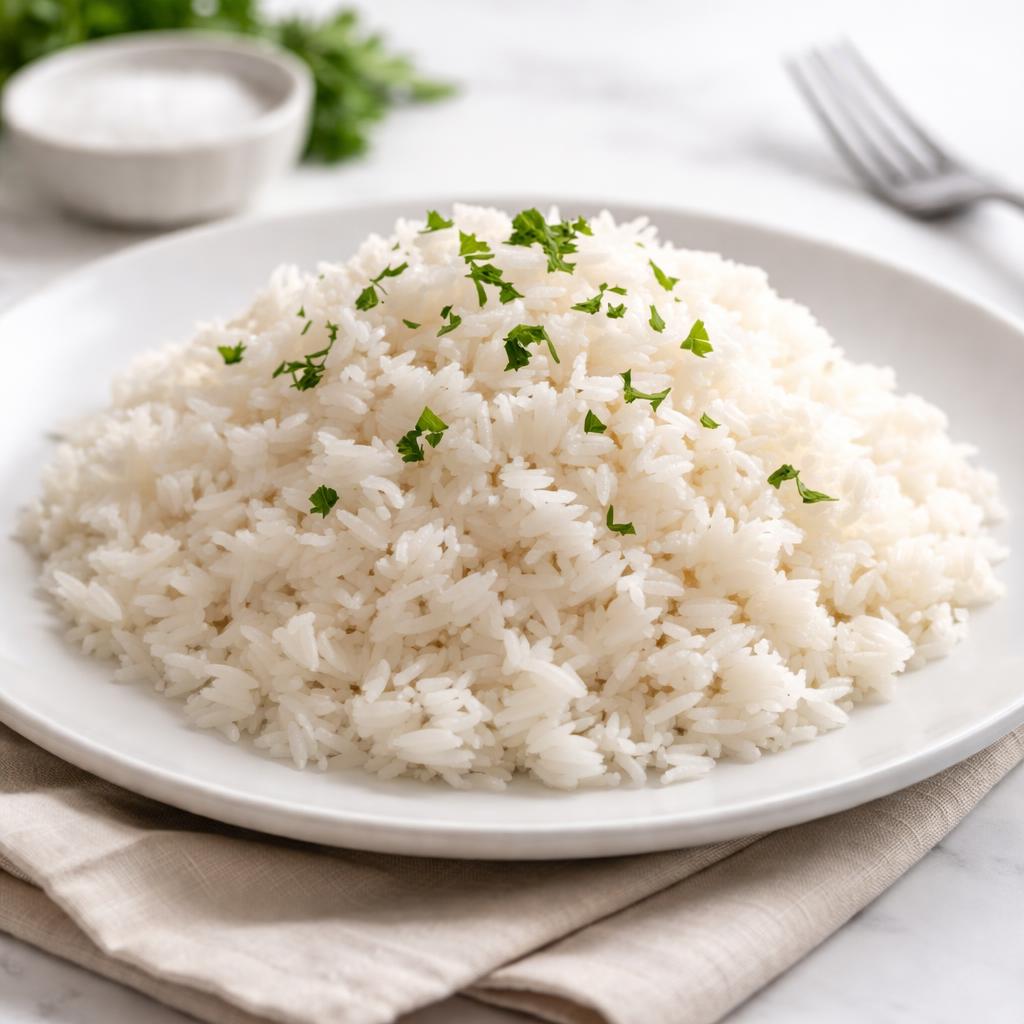
Plain Rice
🎯 Quick Verdict
Overnight oats are nutritionally denser than plain rice, offering higher protein, fiber, and vitamins like iron and calcium. Plain rice, however, is lower in calories and provides quick, easily digestible energy, making it suitable for lighter meals or carbohydrate-focused diets. Both foods can be versatile, but overnight oats provide a more balanced nutrient profile overall.

Smart Nutrition Tracking with SnapCalorie

📊 Nutritional Comparison
Macronutrients
| Nutrient | Food 1 | Food 2 | Winner |
|---|---|---|---|
| Calories | 160 | 130 | ✓ |
| Protein | 5g | 2g | ✓ |
| Carbs | 27g | 28g | ✓ |
| Fat | 4g | 0g | ✓ |
| Fiber | 4g | 0.3g | ✓ |
Vitamins & Minerals
| Nutrient | Food 1 | Food 2 | Winner |
|---|---|---|---|
| Vitamin D | 0mcg | 0mcg | − |
| Calcium | 30mg | 2mg | ✓ |
| Iron | 1.5mg | 0.2mg | ✓ |
🏆 Category Winners
Protein
Overnight oats provide more than twice the protein per serving compared to plain rice.
Fiber
Overnight oats are significantly higher in fiber, essential for digestion.
Calories
Plain rice is lighter, offering fewer calories per serving.
Vitamins
Overnight oats deliver substantially more calcium and iron.
🥗 Diet Compatibility
Keto
Food 1: Not Compatible
Food 2: Not Compatible
Both foods are relatively high in carbohydrates.
Vegan
Food 1: Compatible
Food 2: Compatible
Both foods are plant-based and free of animal products.
Gluten Free
Food 1: Compatible
Food 2: Compatible
Neither food contains gluten, unless contaminated during processing.
Paleo
Food 1: Not Compatible
Food 2: Not Compatible
These are processed/grain-based foods not allowed in strict paleo diets.
Low Carb
Food 1: Not Compatible
Food 2: Not Compatible
Both foods exceed low-carb thresholds with over 20g of carbs per serving.
💪 Health Benefits Comparison
Food 1 Benefits
- Rich in fiber, supporting healthy digestion
- Contains more protein for muscle maintenance
- Provides key minerals like calcium and iron
- Low in added sugars when prepared minimally
Food 2 Benefits
- Low calorie option for controlled energy intake
- Easily digestible for quick energy
- Neutral flavor compatible with many dishes
- Low in fat, suitable for heart-healthy diets
✅ The Bottom Line
Choose overnight oats for a nutrient-dense breakfast or snack that supports digestion, muscle maintenance, and sustained energy. Opt for plain rice when you need a versatile, low-calorie carbohydrate source for quick energy or side dishes.
Choose Food 1 for: Balanced meals, weight management, and nutrient density
Choose Food 2 for: Light meals, easily digestible carbs, and calorie control


