Overnight Oats VS Cooked Pasta
A detailed nutritional comparison
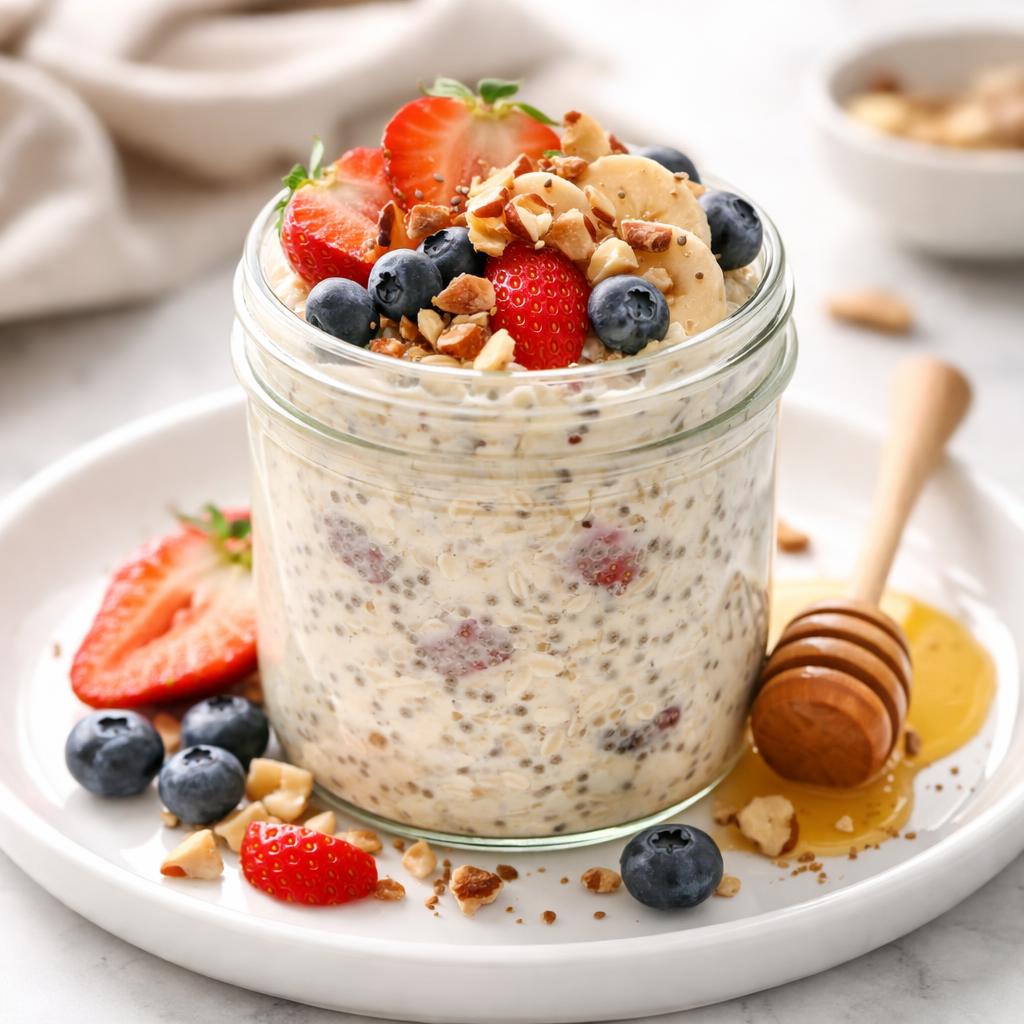
Overnight Oats
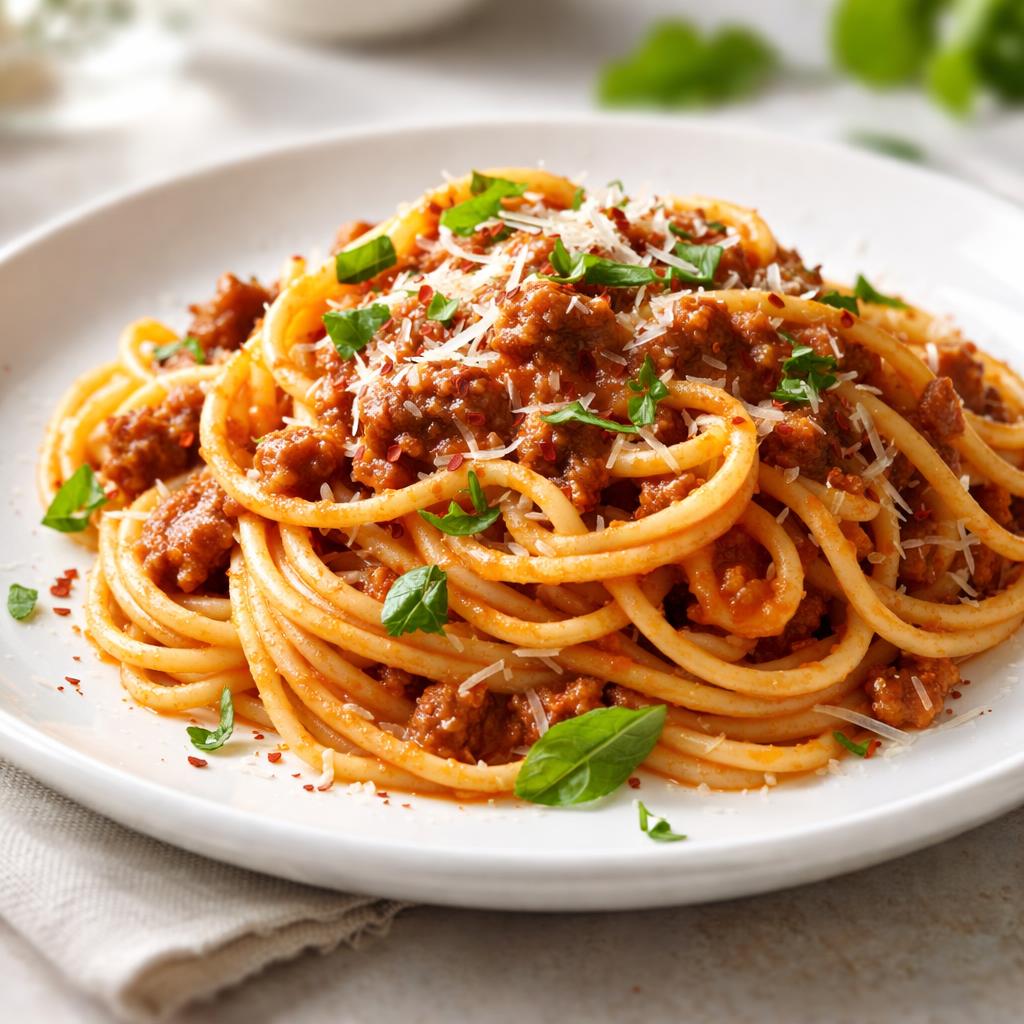
Cooked Pasta
🎯 Quick Verdict
Overnight oats are nutritionally superior to cooked pasta due to their higher protein, fiber, and vitamin content while being lower in calories. Cooked pasta, however, excels as an energy-rich, carbohydrate-dense option, making it ideal for sustained energy for athletic performance. Depending on dietary goals like weight loss or endurance, users should choose the respective food accordingly.

Smart Nutrition Tracking with SnapCalorie

📊 Nutritional Comparison
Macronutrients
| Nutrient | Food 1 | Food 2 | Winner |
|---|---|---|---|
| Calories | 150 | 200 | ✓ |
| Protein | 5g | 3g | ✓ |
| Carbs | 27g | 42g | ✓ |
| Fat | 3g | 1g | ✓ |
| Fiber | 4g | 2g | ✓ |
Vitamins & Minerals
| Nutrient | Food 1 | Food 2 | Winner |
|---|---|---|---|
| Vitamin D | 0mcg | 0mcg | − |
| Calcium | 80mg | 20mg | ✓ |
| Iron | 2mg | 1mg | ✓ |
🏆 Category Winners
Protein
Overnight oats contain 66% more protein per serving.
Fiber
Overnight oats offer twice the fiber content of cooked pasta.
Calories
Overnight oats contain 25% fewer calories.
Vitamins
Overnight oats provide more calcium and iron, beneficial for bone health and energy.
🥗 Diet Compatibility
Keto
Food 1: Not Compatible
Food 2: Not Compatible
Both are high in carbohydrates, exceeding keto limits.
Vegan
Food 1: Compatible
Food 2: Compatible
Both foods are plant-based.
Gluten Free
Food 1: Compatible
Food 2: Not Compatible
Overnight oats can easily be gluten-free with certified gluten-free oats, while traditional pasta contains gluten.
Paleo
Food 1: Not Compatible
Food 2: Not Compatible
Neither meets paleo guidelines due to grains.
Low-Carb
Food 1: Not Compatible
Food 2: Not Compatible
Both are high in carbs, making them incompatible with low-carb diets.
💪 Health Benefits Comparison
Food 1 Benefits
- Rich in fiber for digestive health
- Provides sustained energy with complex carbs
- Contains protein for muscle repair
- Good source of iron and calcium for bone and blood health
Food 2 Benefits
- Quick source of energy from carbohydrates
- Low in fat, making it heart-friendly
- Versatile and easy to digest
- Contains trace minerals for overall health
✅ The Bottom Line
Overnight oats are better suited for weight loss, high-protein diets, and boosting fiber intake. Cooked pasta is ideal for athletes or individuals needing an energy boost due to its carbohydrate-rich profile. Overnight oats are also a versatile breakfast option, while pasta works well as a base for nutrient-rich meals in combination with vegetables and protein sources.
Choose Food 1 for: Weight loss, high-protein diets, digestion
Choose Food 2 for: Endurance, energy, quick meals


