Overnight Oats VS Bread With Peanut Butter
A detailed nutritional comparison
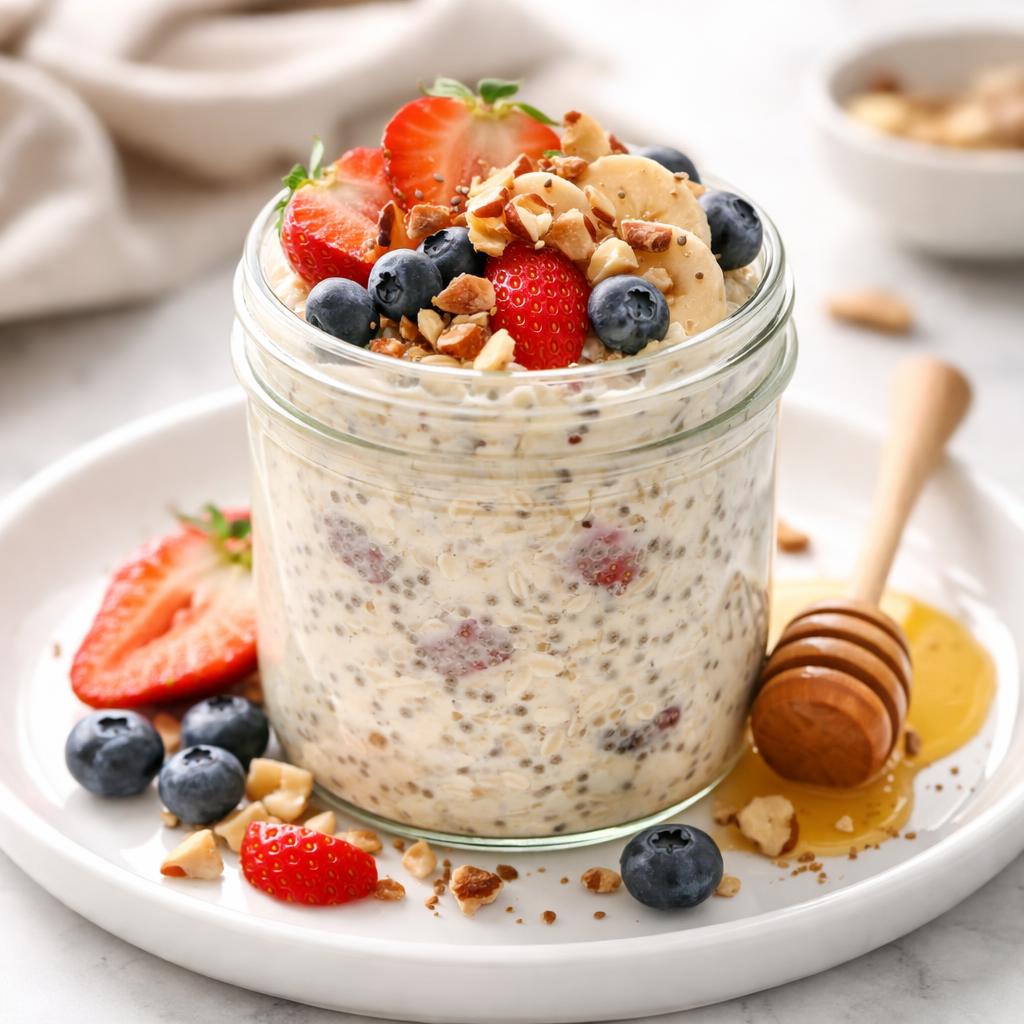
Overnight Oats
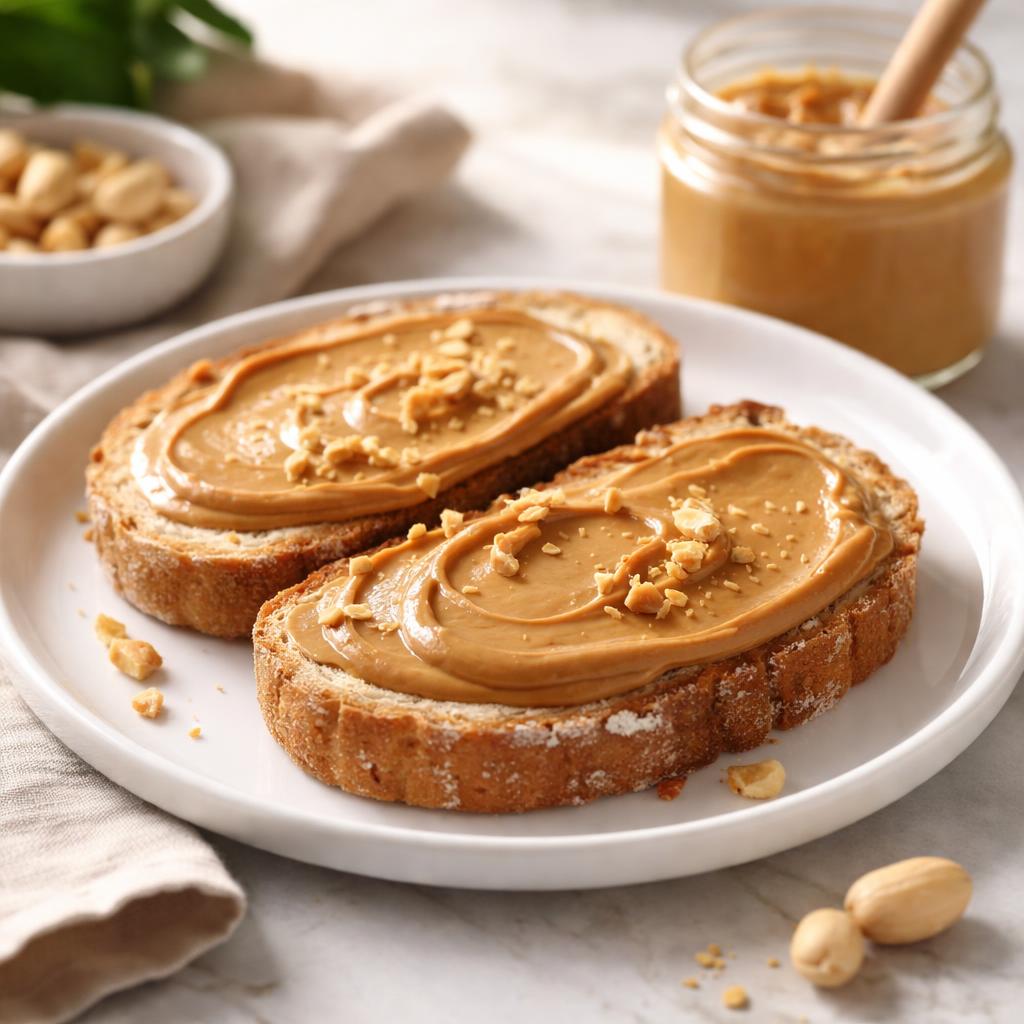
Bread With Peanut Butter
🎯 Quick Verdict
Overnight oats provide more fiber and are lower in saturated fats, making them ideal for digestion and weight management. Bread with peanut butter offers higher protein and healthy fats, making it better suited for muscle recovery and sustained energy. Both foods have unique nutrient profiles that cater to different needs.

Smart Nutrition Tracking with SnapCalorie

📊 Nutritional Comparison
Macronutrients
| Nutrient | Food 1 | Food 2 | Winner |
|---|---|---|---|
| Calories | 200 | 200 | − |
| Protein | 6g | 9g | ✓ |
| Carbs | 32g | 20g | ✓ |
| Fat | 4g | 10g | ✓ |
| Fiber | 6g | 3g | ✓ |
Vitamins & Minerals
| Nutrient | Food 1 | Food 2 | Winner |
|---|---|---|---|
| Vitamin D | 0mcg | 0mcg | − |
| Calcium | 150mg | 60mg | ✓ |
| Iron | 2.5mg | 1.9mg | ✓ |
| Magnesium | 50mg | 75mg | ✓ |
🏆 Category Winners
Protein
Bread with peanut butter contains 50% more protein.
Fiber
Overnight oats offer double the fiber content.
Calories
Both foods provide approximately the same calories per serving.
Vitamins
Overnight oats contain higher calcium and iron levels, important for bone health.
🥗 Diet Compatibility
Keto
Food 1: Not Compatible
Food 2: Not Compatible
Both foods contain high-carbohydrate content, making them unsuitable for keto diets.
Vegan
Food 1: Compatible
Food 2: Compatible
Both foods can be made with plant-based ingredients.
Gluten Free
Food 1: Compatible (if gluten-free oats are used)
Food 2: Not Compatible
Bread typically contains gluten, while oats can be made gluten-free.
Paleo
Food 1: Not Compatible
Food 2: Not Compatible
Both foods involve processed ingredients not permissible on a paleo diet.
Low-Carb
Food 1: Not Suitable
Food 2: Not Suitable
Both foods have moderate to high carbohydrate content.
💪 Health Benefits Comparison
Food 1 Benefits
- Rich in fiber for improved digestion
- Provides a steady release of energy
- Good source of calcium and iron for bone and blood health
- Can help regulate blood sugar levels when made with whole grains
Food 2 Benefits
- Higher protein content for muscle repair and growth
- Contains healthy fats from peanut butter for heart health
- Good source of magnesium for muscle and nerve function
- Provides antioxidants if using whole-grain bread and natural peanut butter
✅ The Bottom Line
Choose overnight oats for digestion, bone health, and sustained energy, ideal for breakfast or weight management. Pick bread with peanut butter for a high-protein snack or muscle recovery option. Both can complement a balanced diet depending on your activity and health goals.
Choose Food 1 for: Breakfast, weight management, digestive health
Choose Food 2 for: Pre/post-workout snacks, quick sustenance, muscle repair


