Noodles VS Vermicelli Noodles
A detailed nutritional comparison
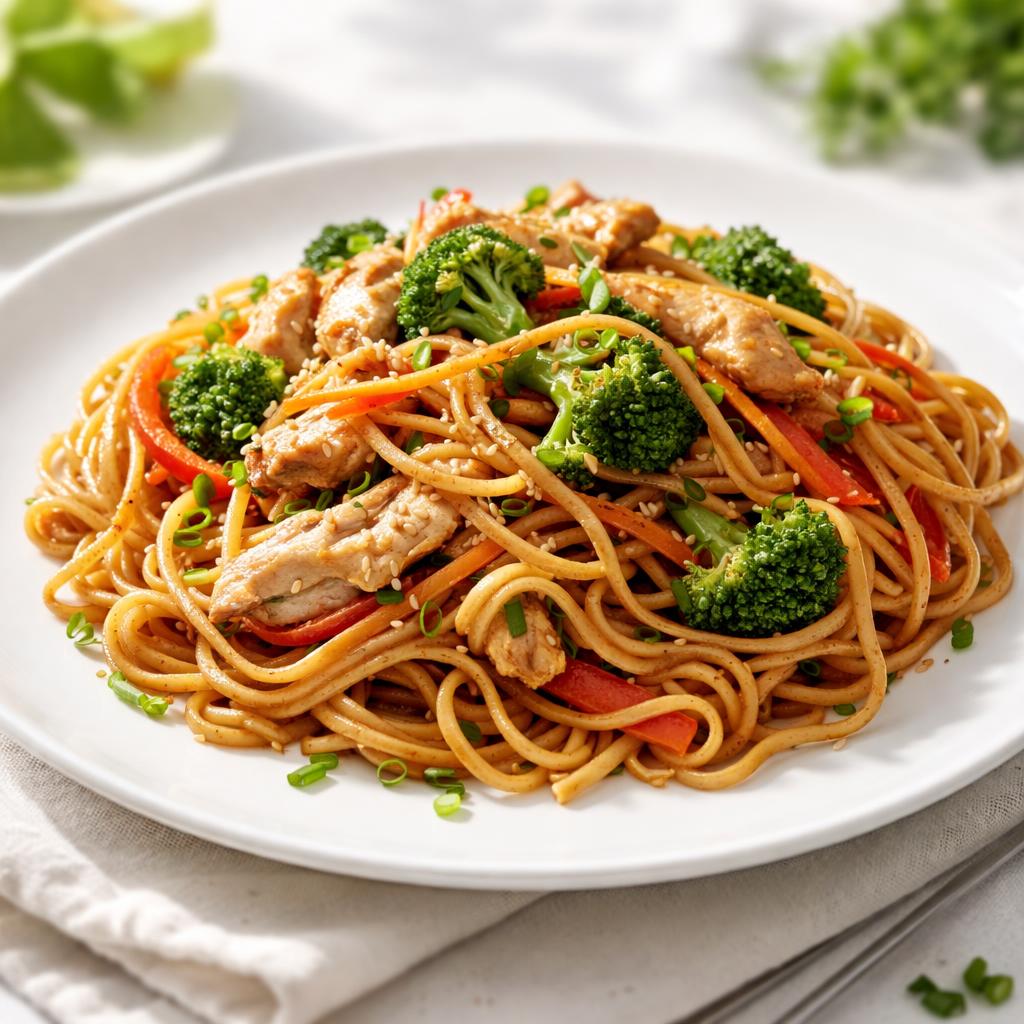
Noodles
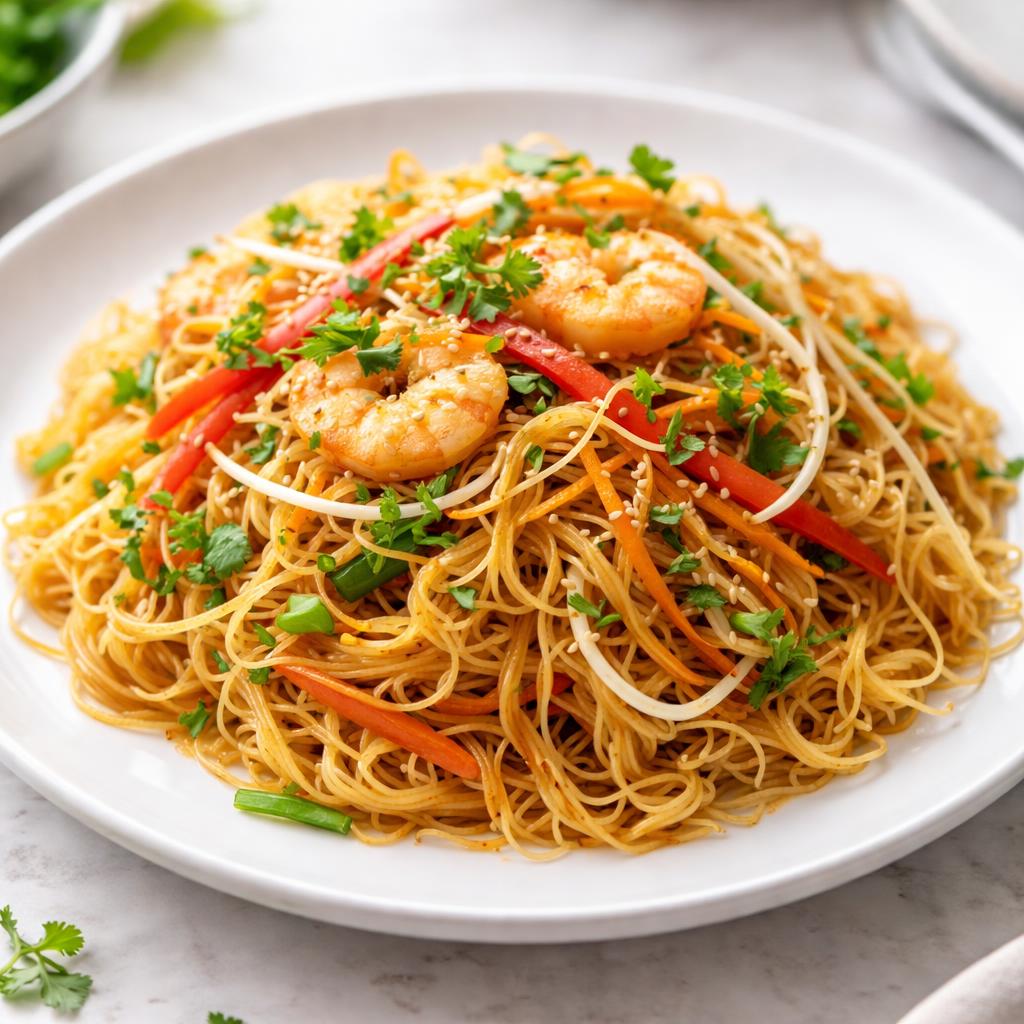
Vermicelli Noodles
🎯 Quick Verdict
Noodles and vermicelli noodles are similar in many respects, but regular noodles slightly outperform in protein and fiber content, making them better for satiety. Vermicelli noodles are lower in calories, making them a good option for lighter meals. Both can be versatile staple foods, depending on dietary goals and preferences.

Smart Nutrition Tracking with SnapCalorie

📊 Nutritional Comparison
Macronutrients
| Nutrient | Food 1 | Food 2 | Winner |
|---|---|---|---|
| Calories | 220 | 190 | ✓ |
| Protein | 7g | 4g | ✓ |
| Carbs | 40g | 43g | ✓ |
| Fat | 1.5g | 0.3g | ✓ |
| Fiber | 2g | 1g | ✓ |
Vitamins & Minerals
| Nutrient | Food 1 | Food 2 | Winner |
|---|---|---|---|
| Vitamin B1 (Thiamine) | 0.1mg | 0.05mg | ✓ |
| Iron | 1.1mg | 0.6mg | ✓ |
| Calcium | 12mg | 10mg | ✓ |
🏆 Category Winners
Protein
Food1 contains 75% more protein per serving.
Fiber
Food1 offers double the fiber content compared to food2.
Calories
Food2 has approximately 15% fewer calories, making it lighter.
🥗 Diet Compatibility
Keto
Food 1: Not Compatible
Food 2: Not Compatible
Both are high in carbs and not suitable for keto diets.
Vegan
Food 1: Compatible
Food 2: Compatible
Both are plant-based and meet vegan dietary requirements.
Gluten Free
Food 1: Not Compatible
Food 2: Not Compatible
Both foods contain gluten if made from wheat.
Paleo
Food 1: Not Compatible
Food 2: Not Compatible
Neither are compatible with paleo due to refined grains.
Low Carb
Food 1: Not Compatible
Food 2: Not Compatible
Both foods are high in carbohydrates and not low-carb options.
💪 Health Benefits Comparison
Food 1 Benefits
- Higher protein content aids in muscle maintenance.
- Good source of iron boosts oxygen transport in the body.
- Moderate fiber content supports digestion.
Food 2 Benefits
- Lower calorie count makes it a great option for lighter meals.
- Minimal fat content aligns with low-fat dietary needs.
- Contains trace vitamins and minerals for overall nutrition.
✅ The Bottom Line
Choose regular noodles for higher protein and fiber, making them ideal for more filling meals. Opt for vermicelli noodles when you want a lighter, lower-calorie option. Both are versatile and work well in various dishes.
Choose Food 1 for: High-protein meals, digestion support, filling dishes.
Choose Food 2 for: Light meals, low-fat dietary preferences, calorie-conscious recipes.


