Noodles VS Udon Noodles
A detailed nutritional comparison
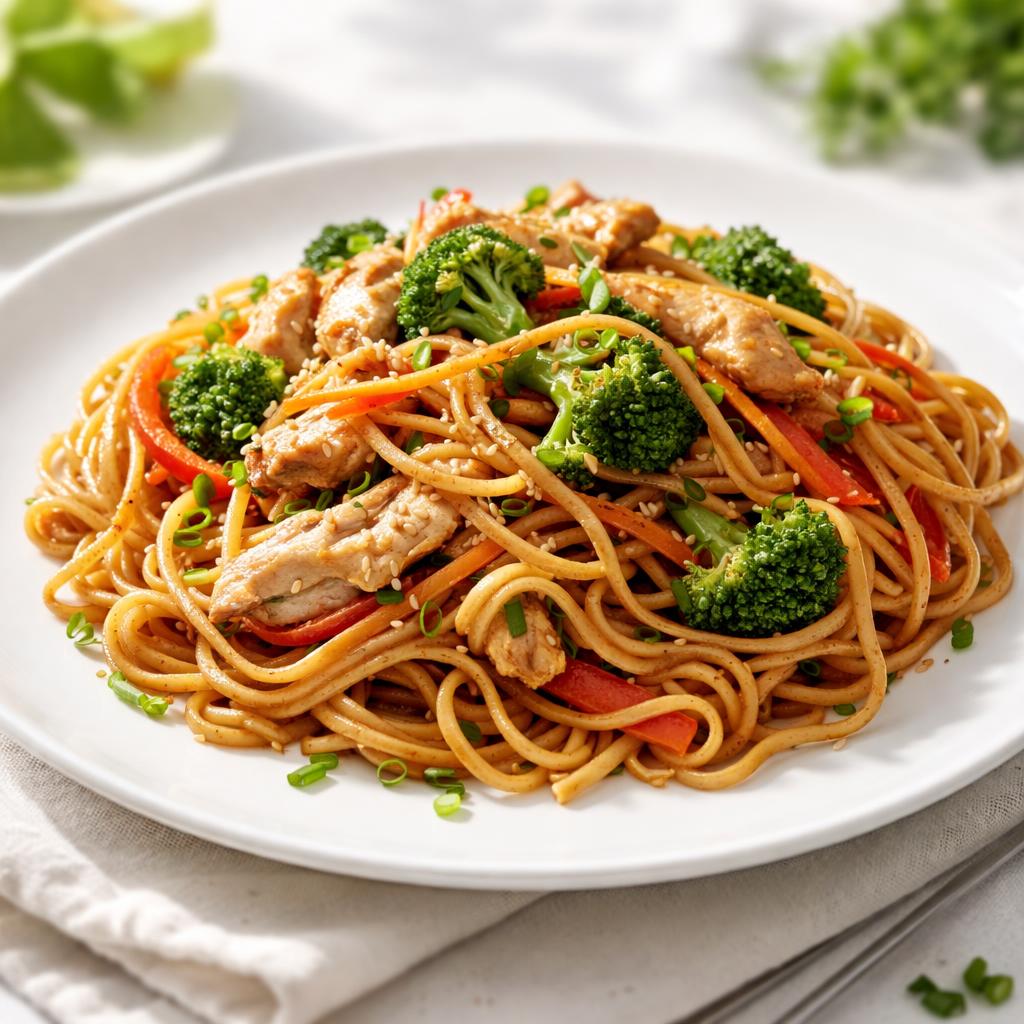
Noodles
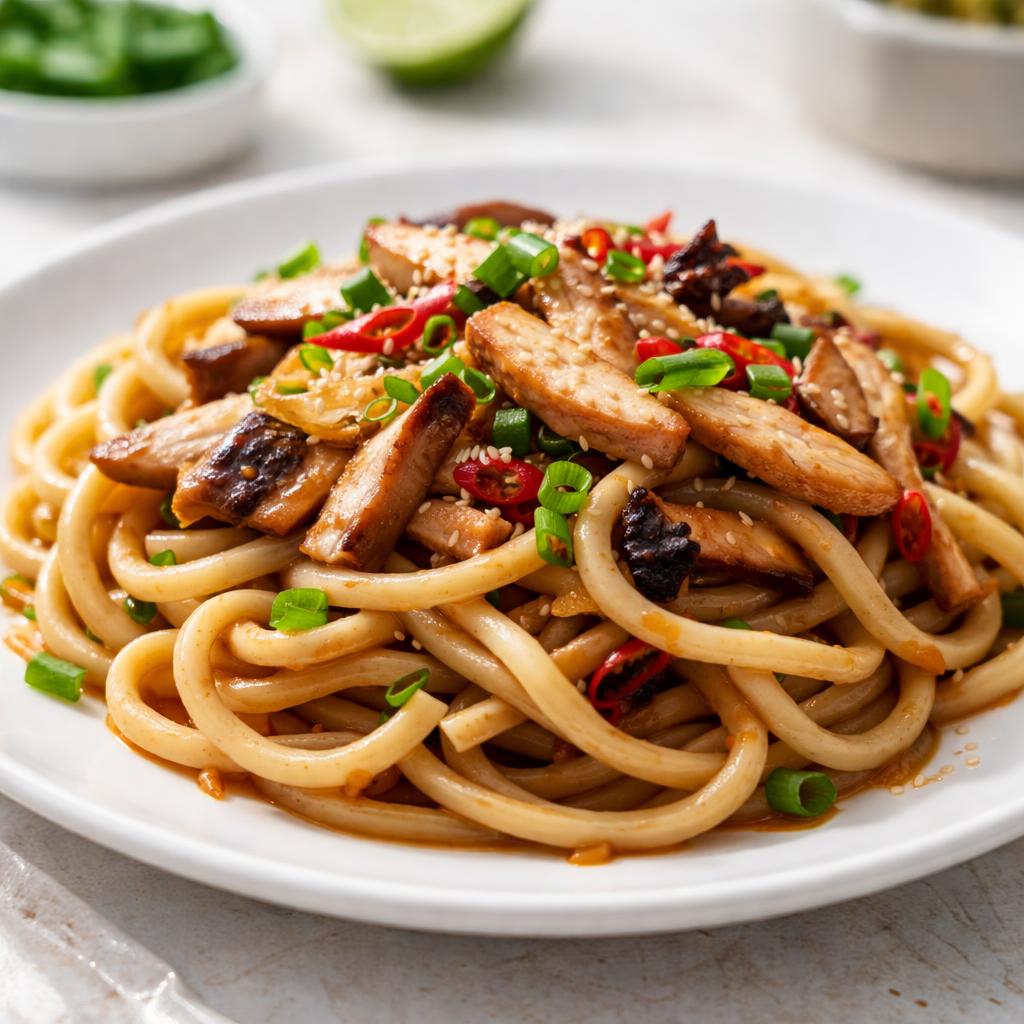
Udon Noodles
🎯 Quick Verdict
Noodles and udon noodles share similar nutritional profiles, with notable differences in fiber, protein, and calories. Noodles tend to be lower in calories and higher in fiber, making them a better choice for weight-conscious eaters. Udon noodles are slightly higher in protein, making them ideal for muscle repair or more filling meals. Both are versatile options for various dishes but differ in texture and nutritional emphasis.

Smart Nutrition Tracking with SnapCalorie

📊 Nutritional Comparison
Macronutrients
| Nutrient | Food 1 | Food 2 | Winner |
|---|---|---|---|
| Calories | 190 | 220 | ✓ |
| Protein | 6g | 7g | ✓ |
| Carbs | 35g | 40g | ✓ |
| Fat | 1g | 1g | − |
| Fiber | 2g | 1g | ✓ |
Vitamins & Minerals
| Nutrient | Food 1 | Food 2 | Winner |
|---|---|---|---|
| Vitamin D | 0mcg | 0mcg | − |
| Calcium | 10mg | 8mg | ✓ |
| Iron | 1.2mg | 1mg | ✓ |
🏆 Category Winners
Protein
Udon noodles contain approximately 16% more protein than noodles.
Fiber
Noodles offer double the fiber compared to udon noodles, aiding digestion.
Calories
Noodles have about 14% fewer calories per serving.
🥗 Diet Compatibility
Keto
Food 1: Not Compatible
Food 2: Not Compatible
Both foods are high in carbs, unsuitable for keto dieting.
Vegan
Food 1: Compatible
Food 2: Compatible
Both are plant-based.
Gluten Free
Food 1: Not Compatible
Food 2: Not Compatible
Both contain gluten, typically made from wheat flour.
Paleo
Food 1: Not Compatible
Food 2: Not Compatible
Neither food fits paleo guidelines as they are processed foods made from grain.
Low-Carb
Food 1: Not Compatible
Food 2: Not Compatible
Both are high in carbohydrates and not suitable for low-carb diets.
💪 Health Benefits Comparison
Food 1 Benefits
- Lower in calories, ideal for weight management
- Provides a moderate amount of iron, supporting energy production
- Higher fiber content for improved digestion
Food 2 Benefits
- Slightly higher in protein for muscle repair and satiety
- Easy to digest due to its simple composition
- Works well in broth-based dishes for hydration support
✅ The Bottom Line
Choose noodles for a lower-calorie and higher-fiber option that supports weight management and digestion. Opt for udon noodles if you need slightly more protein and enjoy hearty, filling dishes. Both are suitable in moderation as part of a balanced diet.
Choose Food 1 for: Weight loss, digestion, light meals
Choose Food 2 for: Hearty dishes, post-workout recovery, protein-focused diets


