Noodles VS Stir Fry Noodles
A detailed nutritional comparison
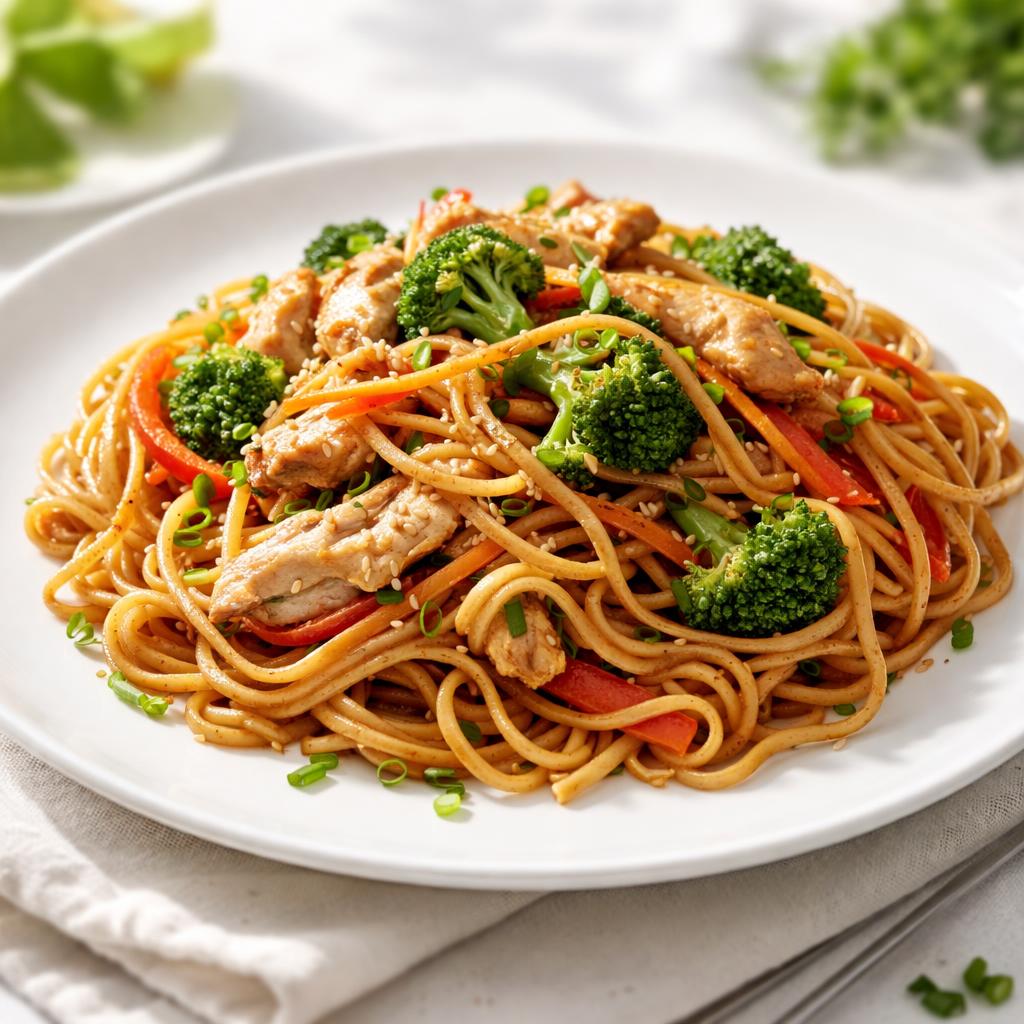
Noodles
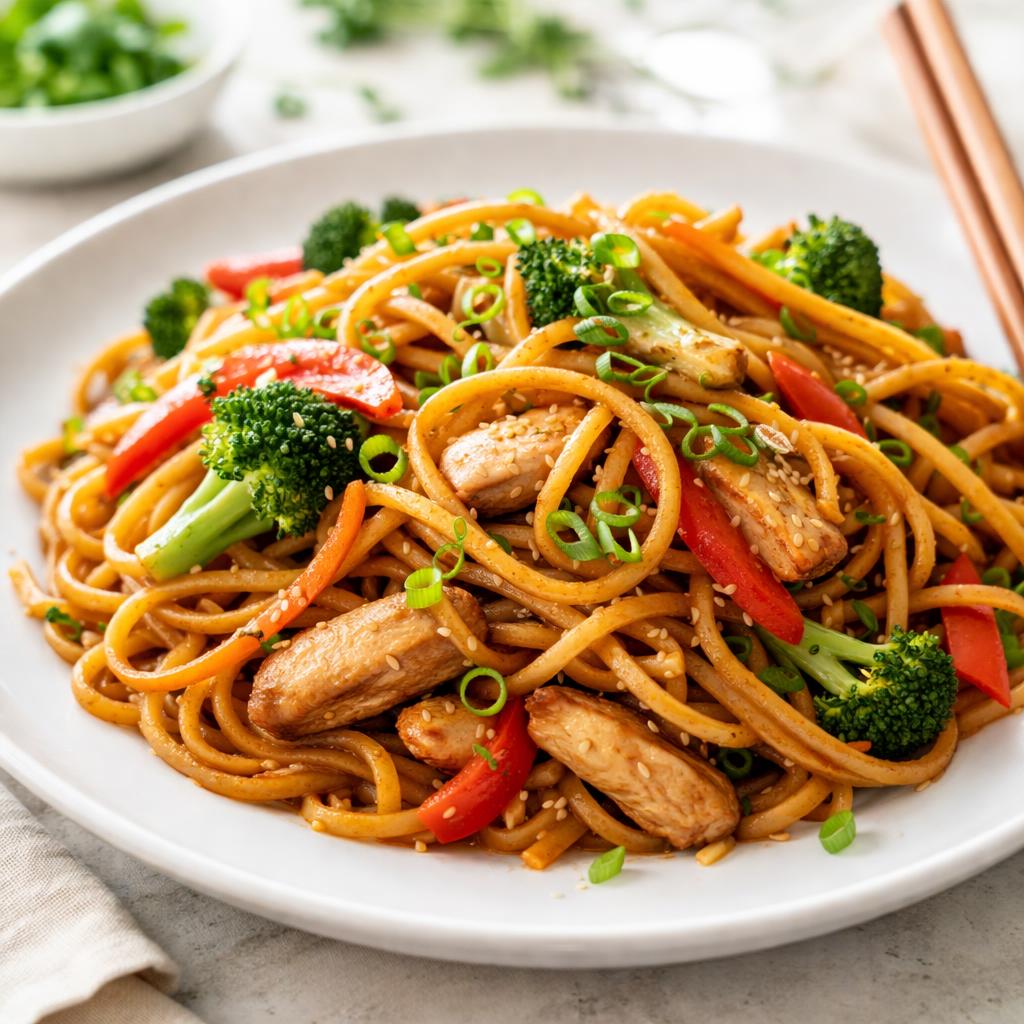
Stir Fry Noodles
🎯 Quick Verdict
Stir fry noodles generally outshine plain noodles in protein and fiber, thanks to added vegetables and potentially protein-rich toppings. Plain noodles, however, are lower in calories and fat, making them a lighter option. Stir fry noodles are better suited for nutrient-dense meals, while plain noodles serve as a basic, lower-calorie base for customizing dishes.

Smart Nutrition Tracking with SnapCalorie

📊 Nutritional Comparison
Macronutrients
| Nutrient | Food 1 | Food 2 | Winner |
|---|---|---|---|
| Calories | 220 | 290 | ✓ |
| Protein | 7g | 12g | ✓ |
| Carbs | 40g | 38g | ✓ |
| Fat | 1g | 8g | ✓ |
| Fiber | 2g | 5g | ✓ |
Vitamins & Minerals
| Nutrient | Food 1 | Food 2 | Winner |
|---|---|---|---|
| Vitamin A | 0mcg | 500mcg | ✓ |
| Vitamin C | 0mg | 12mg | ✓ |
| Calcium | 10mg | 25mg | ✓ |
🏆 Category Winners
Protein
Stir fry noodles contain protein from added ingredients like tofu, chicken, or vegetables.
Fiber
Stir fry noodles provide 150% more fiber, likely due to vegetables included in the dish.
Calories
Plain noodles are the lower-calorie option as they lack added fats and ingredients.
🥗 Diet Compatibility
Keto
Food 1: Not Compatible
Food 2: Not Compatible
Both have high carbohydrate content (>35g per serving).
Vegan
Food 1: Compatible
Food 2: May Be Compatible
While noodles are often vegan, stir fry noodles may include non-vegan proteins like chicken or egg.
Gluten Free
Food 1: Not Compatible
Food 2: Not Compatible
Most noodles contain gluten unless gluten-free versions like rice noodles are used.
Paleo
Food 1: Not Compatible
Food 2: Not Compatible
Neither traditionally falls within paleo guidelines due to grain-based ingredients.
Low-Carb
Food 1: Not Compatible
Food 2: Not Compatible
Both options exceed typical low-carb thresholds due to high carbohydrate content.
💪 Health Benefits Comparison
Food 1 Benefits
- Low-calorie base for meals
- Good source of quick carbohydrates for energy
- Easy digestion for sensitive stomachs
Food 2 Benefits
- Higher fiber for better digestion
- Rich in vitamins (A, C) from vegetables
- Provides balanced macronutrients for a complete meal
✅ The Bottom Line
Choose plain noodles for a lighter, low-calorie option or if you're tailoring a meal to specific dietary needs. Opt for stir fry noodles when aiming for a nutrient-dense, flavorful dish that provides more protein, fiber, and vitamins.
Choose Food 1 for: Low-calorie meals, easy digestion, meal customization
Choose Food 2 for: Balanced, nutrient-dense meals, fiber and vitamin intake, post-workout recovery


