Noodles VS Flat Bread
A detailed nutritional comparison
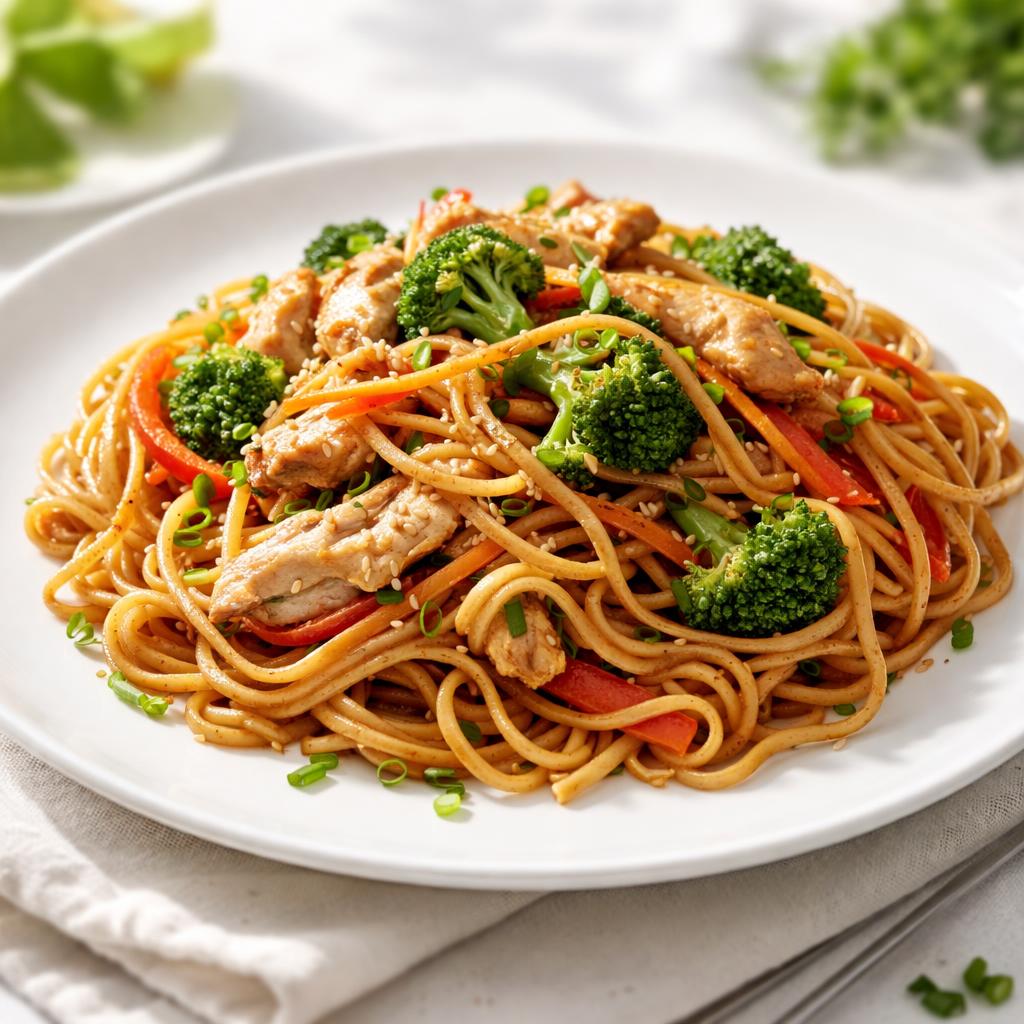
Noodles
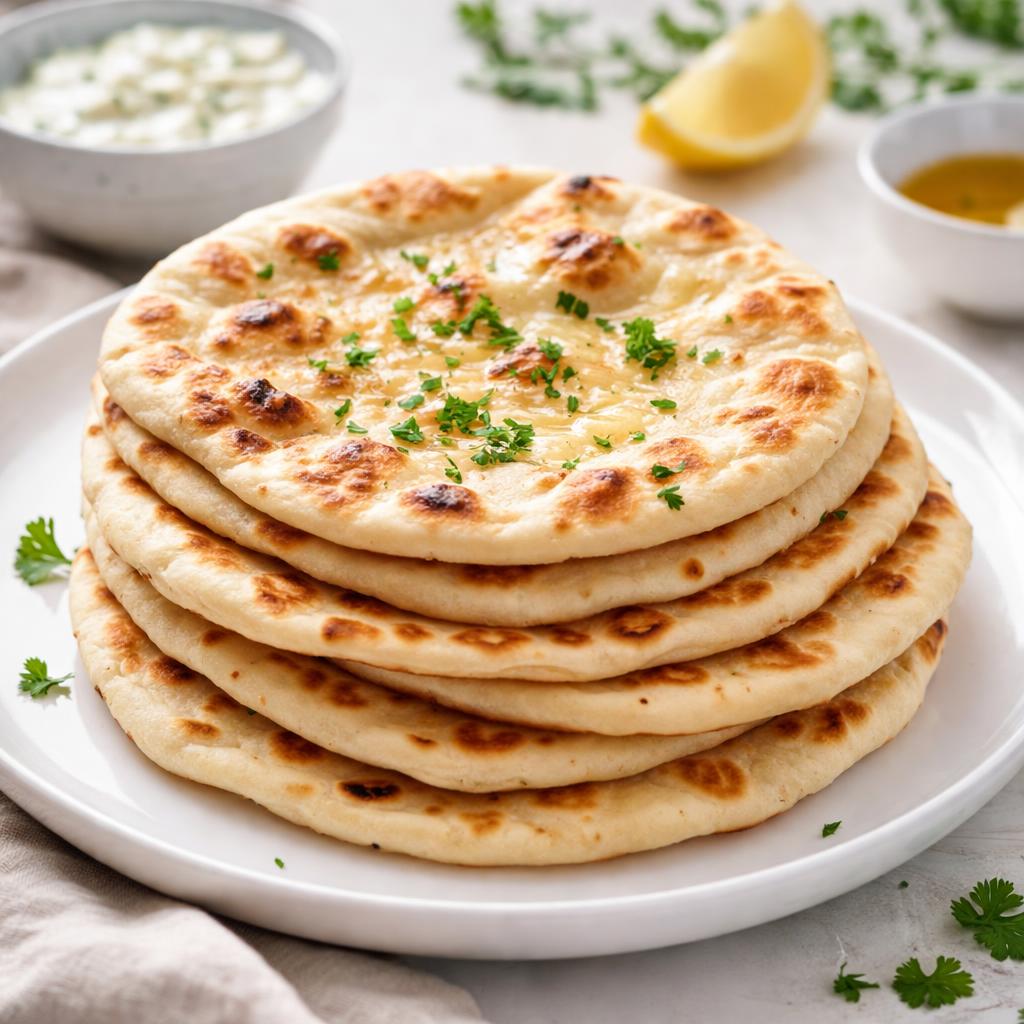
Flat Bread
🎯 Quick Verdict
Noodles generally have fewer calories and slightly lower overall macronutrients compared to flat bread. Flat bread, however, is higher in protein and fiber, making it a better choice if you prioritize these nutrients. Both foods serve different purposes, with noodles being lighter and flat bread offering more sustenance and versatility for meals.

Smart Nutrition Tracking with SnapCalorie

📊 Nutritional Comparison
Macronutrients
| Nutrient | Food 1 | Food 2 | Winner |
|---|---|---|---|
| Calories | 150 per cup cooked | 200 per slice | ✓ |
| Protein | 5g per cup | 7g per slice | ✓ |
| Carbs | 30g per cup | 35g per slice | ✓ |
| Fat | 1g per cup | 3g per slice | ✓ |
| Fiber | 2g per cup | 4g per slice | ✓ |
Vitamins & Minerals
| Nutrient | Food 1 | Food 2 | Winner |
|---|---|---|---|
| Vitamin D | 0mcg | 0mcg | − |
| Calcium | 10mg | 20mg | ✓ |
| Iron | 1mg | 2mg | ✓ |
🏆 Category Winners
Protein
Flat bread has 40% more protein per serving than noodles.
Fiber
Flat bread provides double the fiber per serving compared to noodles.
Calories
Noodles have 25% fewer calories per serving.
Vitamins
Flat bread contains slightly higher amounts of both calcium and iron.
🥗 Diet Compatibility
Keto
Food 1: Not Compatible
Food 2: Not Compatible
Both foods are high in carbohydrates.
Vegan
Food 1: Compatible
Food 2: Compatible
Both foods can be easily made or sourced as vegan-friendly.
Gluten Free
Food 1: Not Compatible
Food 2: Not Compatible
Both foods typically contain gluten unless specifically made gluten-free.
Paleo
Food 1: Not Compatible
Food 2: Not Compatible
Both foods are grain-based and not permissible in strict paleo diets.
Low-Carb
Food 1: Not Compatible
Food 2: Not Compatible
Both foods are high in carbohydrates and not suitable for low-carb diets.
💪 Health Benefits Comparison
Food 1 Benefits
- Quick source of energy due to high carbohydrate content
- Lower in calories for diets aiming to reduce calorie intake
- Low in fat, supporting heart health if consumed in moderation
Food 2 Benefits
- Higher protein content supports muscle growth and repair
- Rich in fiber, aiding digestion and promoting satiety
- Contains essential minerals like calcium and iron, contributing to bone health and red blood cell function
✅ The Bottom Line
Choose noodles for lighter, lower-calorie meals such as soups or stir-fries, and pick flat bread for a more filling and nutrient-dense option to pair with spreads or proteins. Both foods can fit into a balanced diet depending on caloric and nutrient preferences.
Choose Food 1 for: Quick and light meals, lower calorie diets, energy boost
Choose Food 2 for: Filling meals, higher protein and fiber needs, nutrient-dense options


