Noodles VS Breaded Pork Cutlet
A detailed nutritional comparison
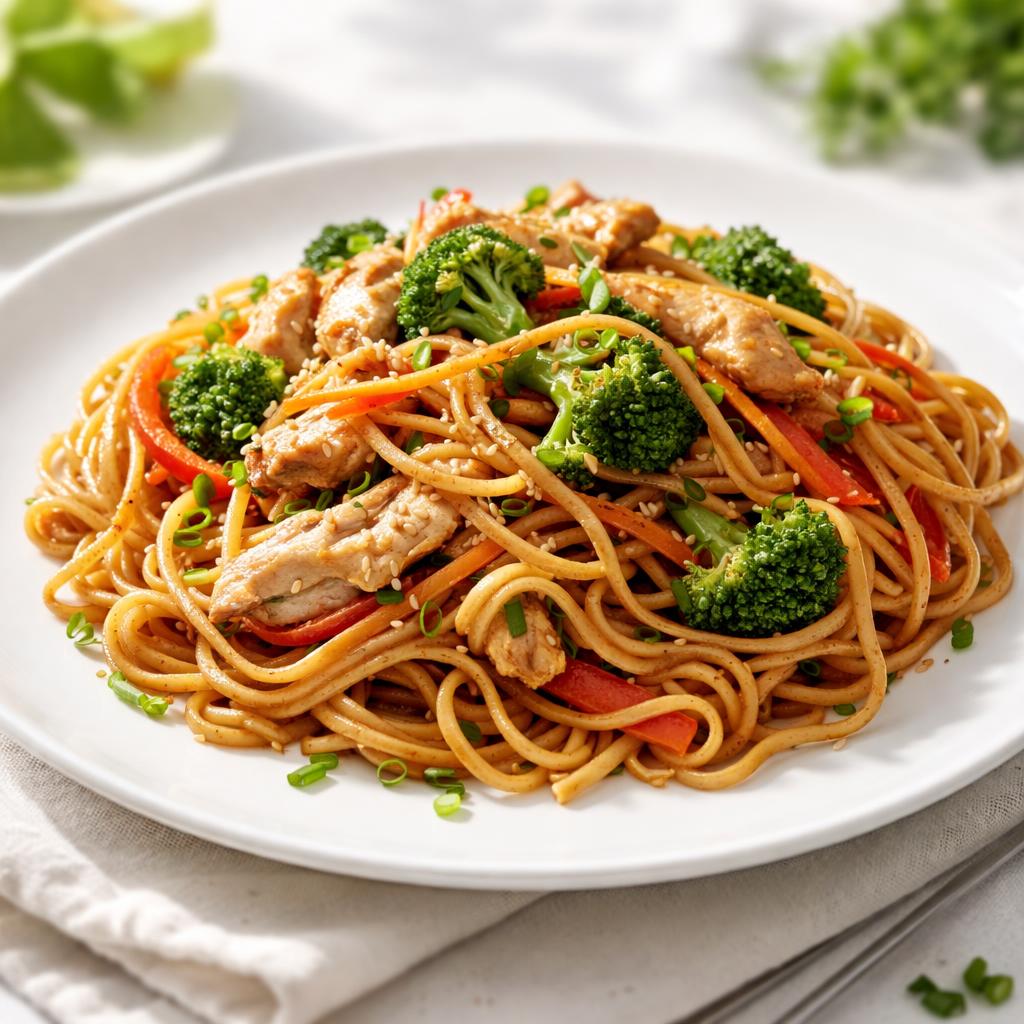
Noodles
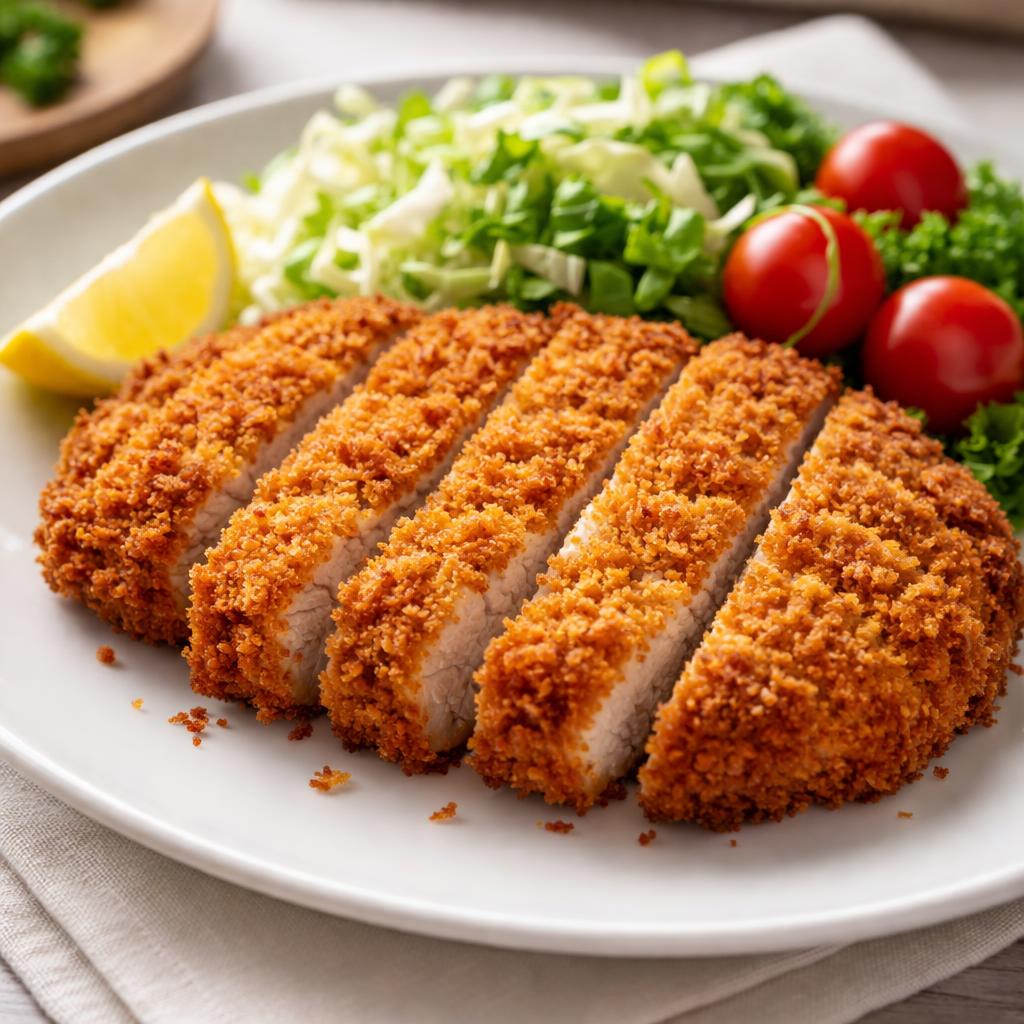
Breaded Pork Cutlet
🎯 Quick Verdict
Breaded pork cutlet is richer in protein (21g vs 5g) and provides key vitamins and minerals like iron, making it ideal for muscle-building and energy. Noodles have fewer calories and more fiber (2g vs 0g), making them a lighter option for digestion-focused diets. Choose pork cutlet for protein-packed meals and noodles for lighter, plant-based alternatives.

Smart Nutrition Tracking with SnapCalorie

📊 Nutritional Comparison
Macronutrients
| Nutrient | Food 1 | Food 2 | Winner |
|---|---|---|---|
| Calories | 220 | 290 | ✓ |
| Protein | 5g | 21g | ✓ |
| Carbs | 40g | 12g | ✓ |
| Fat | 1.5g | 17g | ✓ |
| Fiber | 2g | 0g | ✓ |
Vitamins & Minerals
| Nutrient | Food 1 | Food 2 | Winner |
|---|---|---|---|
| Vitamin D | 0mcg | 1mcg | ✓ |
| Calcium | 11mg | 8mg | ✓ |
| Iron | 1.8mg | 2.5mg | ✓ |
🏆 Category Winners
Protein
Breaded pork cutlet provides 320% more protein, making it a better choice for muscle maintenance.
Fiber
Noodles contain 2g of fiber compared to 0g in pork cutlet, aiding digestion.
Calories
Noodles are 24% lower in calories, making them a lighter option for weight control.
🥗 Diet Compatibility
Keto
Food 1: Not Compatible
Food 2: Compatible
Food2 (pork cutlet) is low-carb (12g), while noodles are high-carb (40g).
Vegan
Food 1: Compatible
Food 2: Not Compatible
Noodles are plant-based, while pork cutlet is animal-based.
Gluten Free
Food 1: Not Compatible
Food 2: Depends
Noodles typically contain wheat gluten; pork cutlet may use gluten-containing breading unless specified.
Paleo
Food 1: Not Compatible
Food 2: Depends
Pork cutlet can be paleo if breading is avoided, while noodles are processed and not paleo-compatible.
Low Carb
Food 1: Not Compatible
Food 2: Compatible
Food2 fits low-carb diets better (12g carbs per serving vs 40g in noodles).
💪 Health Benefits Comparison
Food 1 Benefits
- Low fat content helps assist in weight management
- Contains complex carbohydrates for sustained energy
- Good source of fiber to aid digestive health
- Lower calorie count suitable for lighter meals
Food 2 Benefits
- Rich in protein for muscle growth and repair
- Contains iron to support oxygen transport in the blood
- Healthy fats provide energy and support hormonal balance
- Vitamin D promotes bone health and immune function
✅ The Bottom Line
Choose noodles for lighter, energy-sustaining meals ideal for vegan and digestion-focused diets. Opt for breaded pork cutlet when you need a protein-rich meal to support muscle-building or a high-energy food. Be mindful of carb content if following specific diets like keto or low-carb.
Choose Food 1 for: Weight management, vegan diets, high-fiber meals
Choose Food 2 for: High-protein diets, muscle repair, low-carb meal plans


