Milk VS Berry Smoothie
A detailed nutritional comparison
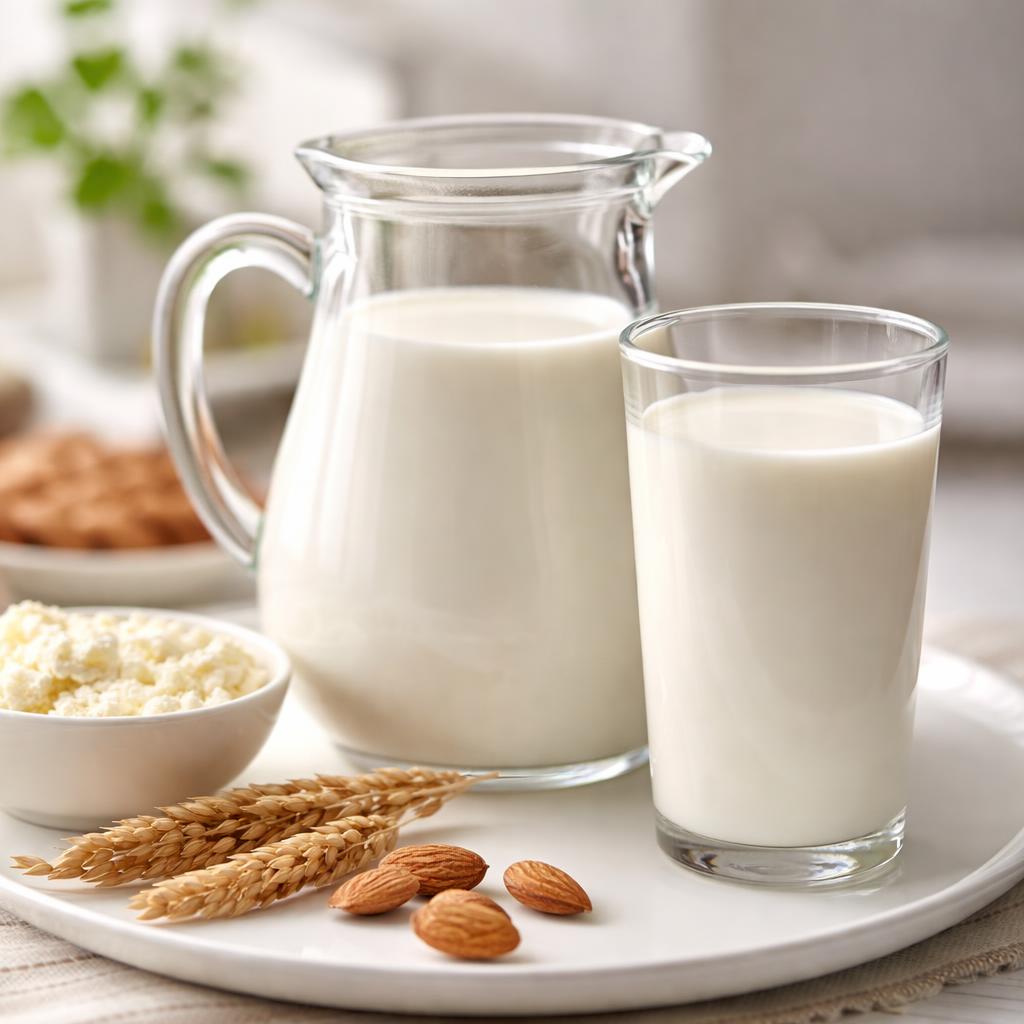
Milk
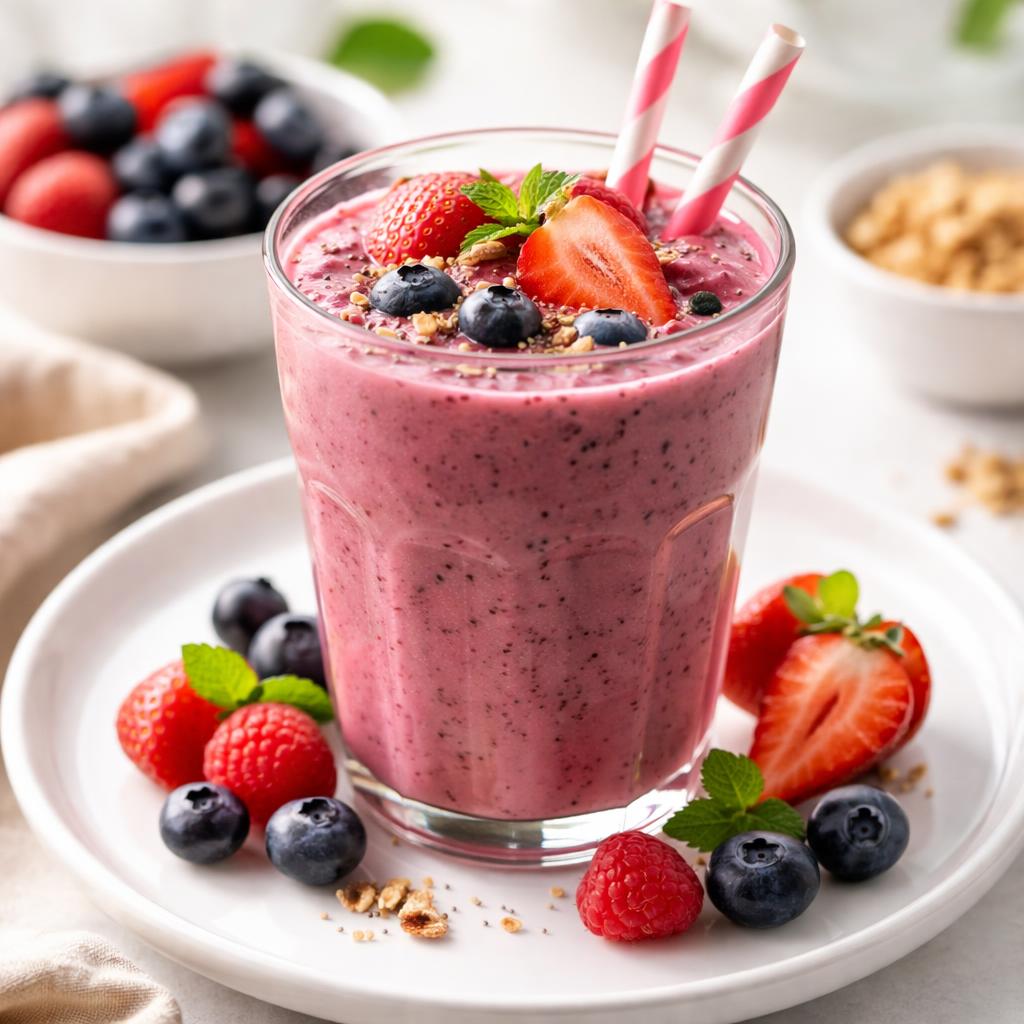
Berry Smoothie
🎯 Quick Verdict
Milk is higher in protein, calcium, and vitamin D, making it ideal for muscle repair and bone health. Berry smoothie provides more fiber and antioxidants, supporting digestion and overall wellness. Choose milk for recovery or a quick protein boost, and berry smoothie for a nutrient-dense, refreshing snack.

Smart Nutrition Tracking with SnapCalorie

📊 Nutritional Comparison
Macronutrients
| Nutrient | Food 1 | Food 2 | Winner |
|---|---|---|---|
| Calories | 150 | 200 | − |
| Protein | 8g | 3g | − |
| Carbs | 12g | 35g | − |
| Fat | 8g | 3g | − |
| Fiber | 0g | 4g | − |
Vitamins & Minerals
| Nutrient | Food 1 | Food 2 | Winner |
|---|---|---|---|
| Vitamin D | 2.5mcg | 0mcg | − |
| Calcium | 300mg | 50mg | − |
| Iron | 0mg | 1mg | − |
| Vitamin C | 0mg | 50mg | − |
🏆 Category Winners
Protein
Milk contains over 250% more protein than berry smoothie per serving.
Fiber
Berry smoothie is naturally rich in fiber due to whole fruit content.
Calories
Milk has 25% fewer calories than berry smoothie per serving.
Vitamins
Milk excels in vitamin D and calcium, while berry smoothie is rich in vitamin C and iron.
🥗 Diet Compatibility
Keto
Food 1: Not Compatible
Food 2: Not Compatible
Both contain moderate to high carbohydrate levels.
Vegan
Food 1: Not Compatible
Food 2: Compatible
Smoothie is plant-based; milk is an animal product.
Gluten Free
Food 1: Compatible
Food 2: Compatible
Neither contains gluten.
Paleo
Food 1: Not Compatible
Food 2: Compatible
Milk is excluded under paleo; berry smoothie is suitable if made without dairy additives.
Low Carb
Food 1: Compatible
Food 2: Not Compatible
Milk has moderate carbohydrates, but berry smoothie is too high in carbs for low-carb diets.
💪 Health Benefits Comparison
Food 1 Benefits
- Rich source of protein for muscle health
- High calcium content supports strong bones
- Provides vitamin D for immune function and mood
Food 2 Benefits
- High in fiber for better digestion
- Rich in antioxidants that combat oxidative stress
- Excellent source of vitamin C for immune health
✅ The Bottom Line
Choose milk for protein and bone health, especially post-workout or in active lifestyles. Berry smoothie is ideal for fiber and antioxidants as a refreshing snack or a boost of vitamins. Both are healthy choices depending on your dietary needs.
Choose Food 1 for: Post-workout recovery, bone health, protein-rich diet
Choose Food 2 for: Digestive health, antioxidant boost, refreshing snack


