Keto Bread VS Wholewheat Chapati
A detailed nutritional comparison
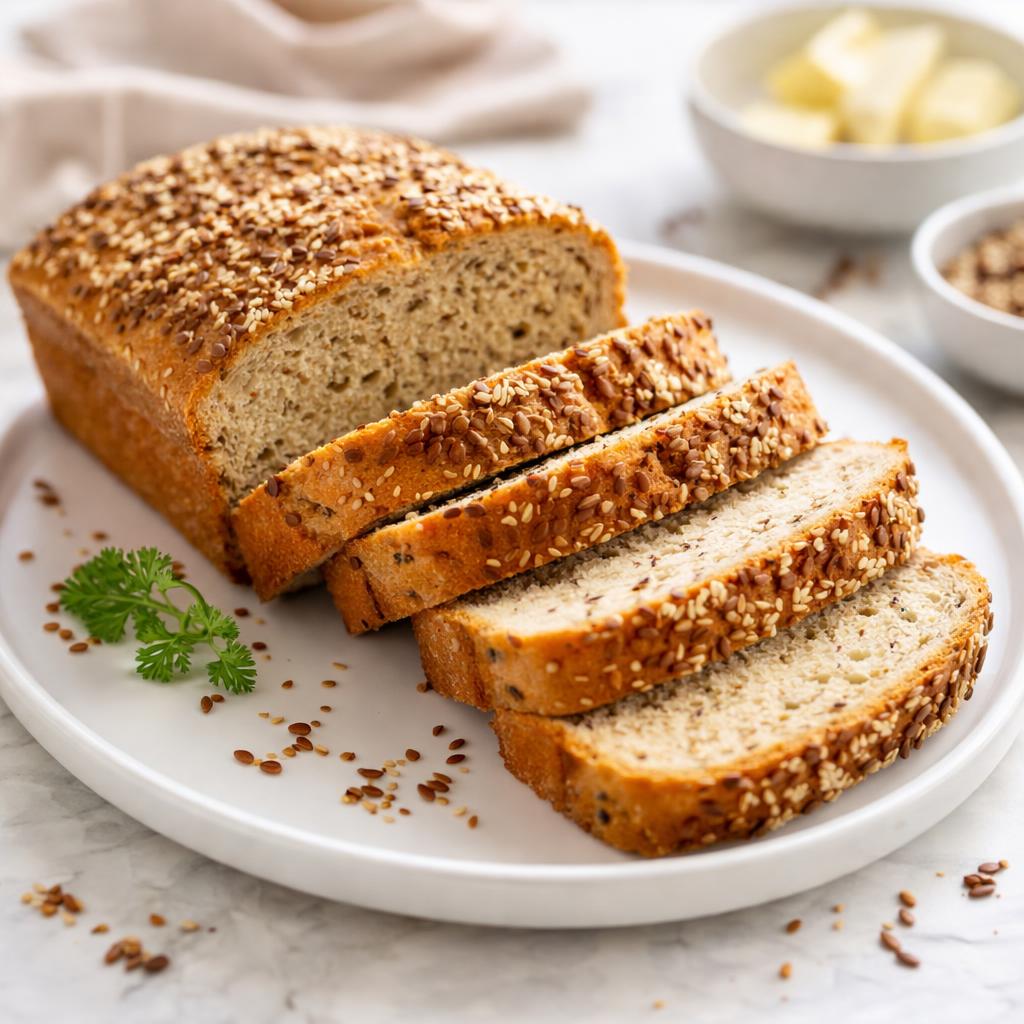
Keto Bread
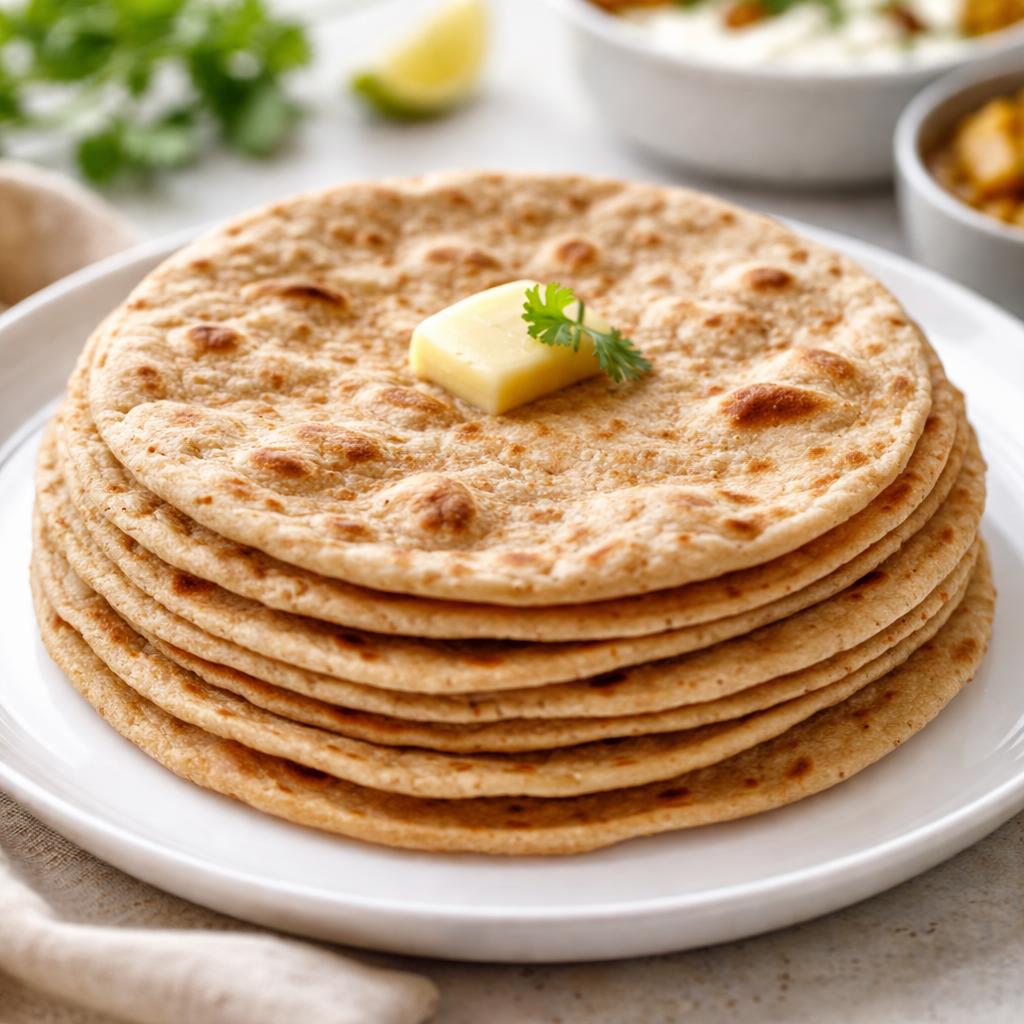
Wholewheat Chapati
🎯 Quick Verdict
Keto bread and wholewheat chapati differ notably in their nutritional profiles. Keto bread is lower in calories and carbs, making it ideal for low-carb and keto diets, while wholewheat chapati offers more fiber and sustained energy, suiting balanced diets and higher activity levels. Each has unique use cases depending on dietary goals.

Smart Nutrition Tracking with SnapCalorie

📊 Nutritional Comparison
Macronutrients
| Nutrient | Food 1 | Food 2 | Winner |
|---|---|---|---|
| Calories | 90 | 120 | ✓ |
| Protein | 7g | 4g | ✓ |
| Carbs | 2g | 20g | ✓ |
| Fat | 5g | 2g | ✓ |
| Fiber | 2g | 3g | ✓ |
Vitamins & Minerals
| Nutrient | Food 1 | Food 2 | Winner |
|---|---|---|---|
| Vitamin D | 1mcg | 0mcg | ✓ |
| Calcium | 150mg | 30mg | ✓ |
| Iron | 1mg | 2.5mg | ✓ |
🏆 Category Winners
Protein
Keto bread has 75% more protein per serving compared to chapati.
Fiber
Wholewheat chapati has 50% more fiber, supporting better digestion.
Calories
Keto bread has 25% fewer calories.
Vitamins
Both foods serve distinct vitamin benefits: keto bread for calcium and vitamin D; chapati for iron.
🥗 Diet Compatibility
Keto
Food 1: Compatible
Food 2: Not Compatible
Keto bread is low-carb with only 2g carbs per serving.
Vegan
Food 1: Compatible
Food 2: Compatible
Both foods are plant-based and suitable for vegan diets.
Gluten Free
Food 1: May vary based on brand
Food 2: Not Compatible
Keto bread can be gluten-free depending on the brand; chapati contains gluten inherently.
Paleo
Food 1: Not Compatible
Food 2: Not Compatible
Both foods contain processed ingredients or grains prohibited on paleo diets.
Low-Carb
Food 1: Compatible
Food 2: Not Compatible
Keto bread is low-carb, ideal for low-carb diets.
💪 Health Benefits Comparison
Food 1 Benefits
- High in protein, supporting muscle recovery post-exercise
- Low in carbs, helpful for keto and diabetes management
- Contains healthy fats for energy and satiety
Food 2 Benefits
- Rich in fiber for better digestion and gut health
- Provides iron, supporting oxygen transport and energy metabolism
- Whole grain nutrients support heart health and sustained energy
✅ The Bottom Line
Keto bread is better suited to low-carb, keto, or weight-loss diets while wholewheat chapati is excellent for balanced diets and energy-focused nutrition. Decision depends on individual goals, such as carb limits or fiber needs.
Choose Food 1 for: Keto diets, diabetes management, weight loss
Choose Food 2 for: Active lifestyles, balanced nutrition, heart health


